SMS verification is a critical security layer that requires best practices around implementation, user experience, and fraud prevention to be effective. This playbook covers everything from choosing verification methods to troubleshooting and compliance.
Why SMS Verification Remains Essential for User Security

In today’s digital landscape, securing user accounts is more critical than ever. SMS verification, despite the rise of alternative authentication methods like authenticator apps and biometrics, continues to hold a vital role in protecting users from unauthorized access and fraud. This section explores why SMS verification remains an indispensable layer of security, offering a practical, accessible, and effective way to safeguard user identities.
At its core, SMS verification acts as a form of two-factor authentication (2FA), requiring users to confirm their identity by entering a one-time password (OTP) sent directly to their mobile device. This second step dramatically reduces the risk that a stolen password alone can grant access to sensitive accounts. Even if an attacker obtains login credentials through phishing or data breaches, they cannot bypass the SMS OTP without physical access to the user’s phone number.
SMS verification adds a straightforward but powerful barrier against automated attacks and credential stuffing by verifying that the user controls the registered phone number.
From a technical standpoint, SMS verification leverages the ubiquity of mobile networks to deliver time-sensitive codes that expire quickly, minimizing the window of opportunity for interception. The process integrates seamlessly with many platforms and services via APIs, such as those documented in our API docs, enabling scalable and reliable implementation. This accessibility ensures that even users with basic phones or limited internet access can benefit from enhanced security.
Combine SMS verification with other security measures like device fingerprinting or behavioral analytics to create a multi-layered defense that adapts to evolving threat landscapes.
Practically speaking, SMS-based verification remains one of the most user-friendly methods for confirming identity. Unlike hardware tokens or authenticator apps that require installation and setup, receiving an SMS is familiar and immediate for most users worldwide. This ease of use helps maintain strong security without compromising user experience or causing friction during sign-up and login flows.
However, it is important to acknowledge SMS verification’s limitations, such as vulnerability to SIM swapping and interception attacks. To mitigate these risks, industry best practices recommend monitoring for suspicious activity and combining SMS verification with complementary tools. For example, services like Google SMS OTP verification and Telegram SMS OTP verification integrate advanced fraud detection to enhance security.
Additionally, SMS verification plays a crucial role in regulatory compliance, especially in sectors like finance and healthcare where multi-factor authentication is mandated. Implementing SMS verification can help businesses meet these requirements efficiently, ensuring both security and legal adherence.
Wide Compatibility
Works across nearly all mobile devices without additional apps or hardware.
Easy Integration
Simple API integration enables quick deployment and customization for diverse platforms.
For organizations looking to implement or upgrade their SMS verification systems, exploring specialized providers through our services section can streamline the process. These providers offer robust infrastructure to handle message delivery, compliance, and fraud prevention at scale.
In summary, while newer authentication technologies continue to evolve, SMS verification remains a foundational security tool. Its combination of accessibility, ease of use, and effective fraud prevention ensures it will stay relevant as a critical component of comprehensive user security strategies.
Understanding the SMS Verification Workflow Step-by-Step

- Step 1 — User Provides Phone NumberThe process begins when a user enters their mobile phone number into a form on your app or website. This number is the key identifier for sending the verification code. It’s important to validate the phone number format immediately to avoid errors later. Using libraries or APIs that support international formats ensures the phone number is properly normalized.
- Step 2 — Server Generates Verification CodeOnce the phone number is received, your backend system generates a unique, time-sensitive one-time password (OTP), typically a 4-6 digit numeric code. This code is stored temporarily on the server with an expiration time, often between 3 to 10 minutes, to maintain security and usability. The generation uses cryptographically secure random functions to prevent predictability.
- Step 3 — Sending SMS Through a GatewayThe server sends the OTP to the user’s phone number via an SMS gateway or an SMS API provider. Reliable SMS delivery is critical—choosing a service with high global coverage and low latency ensures the user receives the message promptly. Services like Google SMS OTP or WhatsApp SMS OTP integrations can also be used for enhanced delivery options.
- Step 4 — User Receives and Enters the OTPThe user receives the SMS containing the OTP and inputs it into the verification field on your platform. User experience can be improved by enabling features like auto-fill on supported devices or using input masks to guide entry. This step is crucial as it proves ownership of the phone number.
- Step 5 — Server Validates the OTPUpon receiving the OTP input, the server compares the submitted code with the stored code for that phone number. It also checks if the OTP is still valid based on the expiration time. If the code matches and is valid, the server marks the phone number as verified. Otherwise, it rejects the attempt, often allowing a limited number of retries to prevent brute-force attacks.
- Step 6 — Granting Access or Completing RegistrationSuccessful verification leads to the next phase: granting access to the user’s account, completing registration, or enabling sensitive transactions. The verified phone number can now be used as a trusted identifier for multi-factor authentication or account recovery. If verification fails, the user is prompted to retry or request a new OTP.
Integrating SMS verification via APIs simplifies this entire workflow. Developers can explore our API documentation and test endpoints in the API playground to customize and optimize verification flows tailored to their application’s needs.
Implement rate limiting and expiration policies on OTP requests to balance security and user convenience. For example, allow only a few OTP requests per hour per phone number and keep OTP validity short to reduce the risk of interception or misuse.
Selecting Appropriate SMS Verification Methods for Your Application

Choosing the right SMS verification method for your application is crucial to balancing security, user experience, and operational efficiency. The three primary approaches—One-Time Passwords (OTP), Two-Factor Authentication (2FA), and Phone Number Verification—each serve distinct purposes and offer unique benefits depending on your app’s goals and user base.
One-Time Passwords (OTP)
OTP is a widely used method that sends a temporary numeric or alphanumeric code to the user's phone. Users enter this code to verify their identity or complete a transaction. It is fast, user-friendly, and effective for scenarios like account sign-up, password resets, or transaction confirmations.
Two-Factor Authentication (2FA)
2FA adds an additional security layer by requiring a second verification step beyond just a password. SMS-based 2FA typically sends an OTP after the user enters their password, ensuring that possession of the phone is required to access the account. This method significantly reduces the risk of unauthorized access due to compromised credentials.
Phone Number Verification
This method confirms that the phone number provided by the user is valid and accessible. It often involves sending an SMS with a code that the user must input, or detecting the phone number automatically through carrier APIs. This is essential for apps that rely on phone numbers as unique identifiers or communication channels.
At a basic level, OTP is the quickest way to verify a user’s phone number or identity during critical moments like registration or password recovery. However, it does not provide continuous protection beyond that single interaction.
2FA, on the other hand, is designed to secure ongoing access to sensitive accounts by requiring users to provide a second factor during login. This method is more secure but may introduce slight friction, which is an important consideration for user experience.
Phone Number Verification is foundational for apps that use phone numbers as primary user identifiers or communication tools. Verifying phone numbers helps reduce fraud, prevent spam accounts, and enables personalized messaging or notifications.
Implementing these methods often involves integrating with SMS APIs that handle message delivery, code generation, and security features like rate limiting and code expiration. For developers looking to explore integrations, the API documentation and interactive playground provide valuable resources.
From a practical perspective, consider the following when choosing your method:
- User security sensitivity: For banking or healthcare apps, 2FA is often mandatory due to the high risk of data breaches.
- Onboarding simplicity: Apps focused on rapid user acquisition may prefer OTP or lightweight phone verification to minimize friction.
- Fraud prevention: Phone number verification helps reduce fake or spam accounts, improving trust and platform integrity.
Leverage virtual numbers from regions where your users are located to optimize deliverability and reduce costs. Explore options like US virtual numbers or India virtual numbers for localized SMS verification.
Ultimately, the best approach may involve combining these methods—for example, using phone number verification during sign-up and enabling SMS-based 2FA for login security. This layered strategy enhances protection while maintaining a smooth user journey.
Best Practices for SMS Code Generation and Expiry

SMS verification codes serve as a critical line of defense in user authentication workflows, ensuring that only legitimate users gain access to protected resources. To maximize security and usability, careful attention must be paid to how these codes are generated, their complexity, length, and the policies governing their expiration.
Secure Generation of SMS Verification Codes
The foundation of a robust SMS verification system begins with the generation process. Codes must be generated using a cryptographically secure random number generator (CSPRNG) rather than predictable or sequential methods. This prevents attackers from guessing or precomputing valid codes, a common vulnerability in weak implementations.
A recommended approach is to leverage secure backend services or APIs that provide OTP (one-time password) generation compliant with standards like RFC 4226 (HOTP) or RFC 6238 (TOTP). These protocols combine secret keys with time or counter values to generate codes that are unique and hard to predict.
Using established cryptographic libraries or trusted services, such as Google SMS OTP, can simplify secure code generation and reduce implementation errors.
Optimal Length and Complexity
Balancing security with user convenience is key when choosing the length and complexity of SMS codes. Typically, numeric codes ranging from 4 to 8 digits are used. While shorter codes (4-5 digits) improve user experience by being easier to enter, they offer fewer combinations and thus lower security. Longer codes (6-8 digits) exponentially increase the number of possible combinations, making brute-force attacks more difficult.
For most applications, a 6-digit numeric code is considered industry standard, offering 1,000,000 possible combinations. However, if your service handles highly sensitive transactions, you might consider alphanumeric codes or longer numeric sequences to enhance security. Keep in mind that introducing letters can increase complexity for users and may lead to entry errors.
Stick to numeric codes for SMS to avoid confusion caused by similar-looking characters (e.g., 'O' vs '0'). If higher security is needed, combine SMS verification with other authentication factors.
Expiration Policies: Timing Is Everything
Expiration policies govern how long an SMS verification code remains valid before it is rejected. Setting an appropriate expiration time is essential to mitigate risks such as replay attacks and code interception.
Common practice is to set expiration times between 3 and 10 minutes. Shorter windows reduce the attack surface but may inconvenience users who delay entering the code. Conversely, longer expiration periods increase the risk of unauthorized use if the code is compromised.
Implementing a countdown timer visible to the user can enhance the experience by clearly communicating how long the code remains valid. This transparency helps users complete verification promptly and reduces support requests related to expired codes.
Additional Security Measures
Beyond generation and expiration, consider implementing rate limiting to prevent brute-force attempts. For example, restrict the number of code input attempts per user or IP address within a given timeframe. Locking accounts or triggering additional verification after repeated failures further protects against automated attacks.
Integrating with comprehensive phone number verification services, such as those found in our services catalog, can automate many of these best practices. These platforms often include built-in safeguards for code generation, expiry, and validation, streamlining your security posture while improving user experience.
Summary
In summary, follow these best practices to ensure your SMS verification codes are both secure and user-friendly:
- Use cryptographically secure random generation methods or trusted OTP services.
- Choose an appropriate code length (6 digits is standard) balancing security and usability.
- Set a clear expiration window, typically between 3 to 10 minutes, and inform users with timers.
- Implement rate limiting and lockout mechanisms to prevent brute-force attacks.
- Leverage established verification services to reduce implementation complexity and improve security.
Adhering to these principles helps safeguard your authentication flows and creates a seamless verification experience for your users.
Improving User Experience During SMS Verification

SMS verification is a critical security step for many online services, but it can also be a point of friction that frustrates users if not implemented thoughtfully. Improving the user experience during SMS verification not only reduces drop-offs but also builds trust and satisfaction. This section explores practical tips and technical best practices to ensure your SMS verification flow is smooth, clear, and accessible.
Minimizing Friction with Streamlined Input
One of the most common pain points during SMS verification is the manual entry of codes. Users often receive a 4 to 6-digit code and must switch apps or screens to retrieve and enter it, which can be tedious and error-prone. To minimize friction:
- Auto-fill and Auto-detect: Utilize platform features such as Android’s SMS Retriever API or iOS’s Automatic Strong Password AutoFill to detect the incoming SMS and suggest or auto-fill the verification code directly in the input field. This saves time and reduces typing errors.
- Single Input Field: Use a single input box for the entire code rather than splitting it into multiple boxes. This reduces confusion and speeds up entry, especially on mobile devices.
- Clear Input Masks: Apply input masks that only accept numeric characters and visually separate groups of digits if necessary, guiding users through the process.
Providing Clear and Friendly Messaging
Effective communication during the SMS verification process is essential. Users should understand what is expected, the estimated wait time, and what to do if something goes wrong. Consider these messaging best practices:
- Explain the Purpose: Briefly explain why SMS verification is required—whether for security, account recovery, or fraud prevention. This helps users feel more comfortable and less annoyed.
- Show a Countdown Timer: Display a countdown timer indicating when the code will expire or when they can request a new code. This reduces uncertainty and impatience.
- Use Friendly Language: Avoid technical jargon. For example, say “Enter the 6-digit code we just sent to your phone” rather than “Input the OTP from the SMS.”
- Error Handling: Provide clear, specific error messages if the code is invalid or expired. Avoid generic messages like “Verification failed.” Instead, say “The code you entered is incorrect. Please try again.”
Implementing Retry and Resend Options
Sometimes users do not receive the SMS immediately or accidentally delete the message. Offering retry and resend options can prevent frustration and abandonment:
- Resend Button: Provide a visible “Resend Code” button that becomes active after a short cooldown period (e.g., 30 seconds). This prevents abuse while giving users control.
- Limit Attempts: To balance security and user experience, limit the number of resend attempts within a given timeframe and notify users if they reach this limit.
- Alternative Verification Methods: If SMS delivery fails repeatedly, consider offering alternative methods such as voice call verification or integration with services like WhatsApp or Telegram for OTP delivery. See our WhatsApp SMS OTP service for more details.
Integrate your SMS verification flow with your backend to automatically detect and validate codes, enabling one-tap verification experiences that significantly improve conversion rates.
Accessibility Considerations
Ensuring your SMS verification process is accessible to all users, including those with disabilities, is both a legal requirement in many jurisdictions and a best practice for inclusivity:
- Screen Reader Compatibility: Use semantic HTML and ARIA labels to make input fields and buttons understandable to screen readers.
- Color Contrast and Size: Ensure that text, buttons, and prompts meet minimum contrast ratios and are large enough to be easily tapped or read.
- Keyboard Navigation: Allow full navigation and submission via keyboard for users who cannot use a mouse or touchscreen.
- Voice Input: Support voice input methods where possible, enabling users to dictate the code.
Many SMS verification services, including those with virtual numbers from regions like the United States or India, offer built-in features to enhance accessibility and user experience. Leveraging these can save development time and improve reliability.
Summary
Improving user experience during SMS verification involves a combination of technical enhancements and thoughtful design choices. From enabling auto-fill and presenting clear, friendly instructions to providing retry options and ensuring accessibility, each step reduces friction and builds user confidence. By integrating these best practices, your service can achieve higher verification success rates and stronger user engagement.
Preventing Fraud and SMS Spoofing in Verification Flows

SMS verification is a powerful tool for user authentication and fraud prevention, yet it is not immune to sophisticated attacks such as SMS spoofing and fraudulent number use. To maintain the integrity of your verification flows, it is essential to implement multiple layers of defense that combine technical validation, monitoring, and user behavior analysis.
At a basic level, number validation is your first line of defense. Before sending an OTP or verification code, verify that the phone number is valid, active, and belongs to the intended user. This involves checking the number format against international standards such as E.164, and performing carrier and line type detection to distinguish between mobile, landline, or virtual numbers. Services like SMSVerifier offer robust APIs that automate this process, ensuring your system does not waste resources on invalid or disposable numbers.
Confirming the legitimacy and format of phone numbers prevents sending codes to invalid or fraudulent destinations.
Technical safeguards also include rate limiting to prevent abuse. Attackers often attempt to flood verification systems by requesting numerous codes for the same number or IP address, aiming to overwhelm your infrastructure or guess codes through brute force. Implementing strict rate limits on code requests per phone number and per IP address reduces this risk significantly. For example, allowing only a handful of requests within a fixed time window can block automated attacks while maintaining a smooth experience for genuine users.
Integrate IP reputation checks alongside rate limiting to identify and block suspicious sources early in the verification process.
Another critical layer involves detecting suspicious activity patterns that may indicate fraud or spoofing attempts. Monitoring for unusual behaviors—such as repeated failed verification attempts, rapid changes of phone numbers, or use of numbers from high-risk regions—can trigger additional verification steps or manual review. Leveraging machine learning models or anomaly detection algorithms can help automate this process and adapt defenses over time based on emerging threat patterns.
SMS spoofing, where attackers manipulate the sender ID to impersonate trusted sources, poses a unique challenge. While you cannot fully prevent spoofing at the network level, you can mitigate its impact by ensuring that your verification messages include clear branding, dynamic elements (like user-specific data), and prompt users to verify the authenticity of the message through your official channels. Additionally, adopting protocols such as Sender Policy Framework (SPF), DomainKeys Identified Mail (DKIM), and DMARC for your messaging infrastructure helps reduce the chance that your numbers can be spoofed.
For developers and businesses integrating SMS verification, choosing a provider with built-in anti-fraud features is crucial. Providers like SMSVerifier offer comprehensive solutions that include:
Real-time Number Intelligence
Automatic checks for number validity, carrier information, and line type to prevent misuse.
Rate Limiting Controls
Configurable thresholds to block suspicious request volumes and protect your system.
Suspicious Activity Detection
Behavioral analytics to flag anomalies and enable proactive fraud prevention.
By combining these features with your own application logic, you can build a verification flow that not only verifies user identities but also actively defends against fraud and spoofing threats.
To explore how to integrate these protections, consult our API documentation and consider implementing virtual numbers from trusted regions such as the United States or United Kingdom to further enhance security and reliability.
Relying solely on SMS verification without additional safeguards can expose your system to spoofing and fraud, potentially compromising user trust and data security.
Ultimately, preventing fraud and SMS spoofing in verification flows requires a multi-faceted approach that blends validation, monitoring, and user education. Staying vigilant and leveraging advanced verification services ensures your authentication system remains both user-friendly and secure.
Handling International SMS Verification Challenges and Compliance

Expanding SMS verification beyond domestic borders introduces a complex landscape of technical, regulatory, and operational challenges. Understanding these challenges is crucial for businesses aiming to provide seamless user authentication worldwide while ensuring compliance with diverse legal frameworks.
Carrier Restrictions and Network Variability
Mobile carriers in different countries impose varying restrictions on SMS traffic, which can affect message delivery and latency. For example, some carriers block short codes or premium SMS services, while others limit message throughput or require pre-registration of sender IDs. These constraints can cause delays or failures in delivering one-time passwords (OTPs), impacting user experience.
Latency is often higher in international SMS delivery due to the routing through multiple carriers and gateways. This can lead to OTPs arriving late or out of order, increasing the risk of failed verifications. To mitigate these issues, leveraging local virtual numbers or dedicated long codes in target countries—such as UK virtual numbers or India virtual numbers—can improve deliverability by aligning with local carrier requirements.
Ensuring your SMS provider supports local regulations and carrier restrictions in each country is essential to maintaining high delivery rates and avoiding message blocking.
Regulatory Compliance: GDPR, TCPA, and Beyond
Compliance with international data protection and telecommunications laws is non-negotiable when handling SMS verification globally. The European Union’s General Data Protection Regulation (GDPR) mandates strict controls over personal data processing, including phone numbers used for verification. This means obtaining explicit user consent and ensuring secure handling of verification data.
Similarly, in the United States, the Telephone Consumer Protection Act (TCPA) regulates automated SMS messages, requiring prior consent and providing opt-out mechanisms. Other countries have their own specific rules—for instance, Russia enforces stringent telecom laws that impact SMS marketing and verification, making it important to consider local nuances.
Failing to adhere to national and international regulations can lead to severe penalties and damage to brand reputation. Always consult legal expertise when expanding SMS verification services abroad.
Country-Specific Requirements and Best Practices
Each country may have unique requirements regarding sender ID formats, message content, and timing restrictions. For example, in some countries, alphanumeric sender IDs are mandatory, while others require numeric IDs only. Additionally, message templates often need pre-approval by local telecom authorities.
To navigate these complexities, businesses should use SMS verification services that offer global coverage with localized compliance built-in. Services like Google SMS OTP verification or Telegram SMS OTP verification integrate with multiple carriers and adapt to local rules, ensuring reliable delivery and legal compliance.
Implement dynamic routing logic in your SMS API integration to select the best route or virtual number based on the user’s country, reducing latency and increasing success rates. Explore options in the API documentation and API playground to test and optimize your flows.
Practical Steps to Overcome International SMS Verification Challenges
- Step 1 — Understand Local RegulationsResearch and document the SMS and data privacy laws relevant to your target countries to ensure compliance from the outset.
- Step 2 — Choose a Global SMS ProviderSelect a provider with extensive international carrier partnerships and local virtual numbers to optimize message delivery.
- Step 3 — Implement Consent and Opt-Out MechanismsIncorporate clear user consent flows and easy opt-out options to comply with regulations like GDPR and TCPA.
- Step 4 — Test Across RegionsConduct thorough testing of SMS delivery times, message formats, and compliance adherence in each country before full deployment.
By addressing carrier restrictions, understanding and complying with international regulations, and leveraging localized SMS verification solutions, businesses can provide secure and reliable authentication experiences worldwide. For organizations seeking tailored options, exploring virtual number services such as USA virtual numbers or Germany virtual numbers can further enhance reach and compliance.
Optimizing SMS Delivery and Reducing Failures

Ensuring reliable SMS delivery is critical for any verification process, especially when user experience and security are on the line. Optimizing SMS delivery involves several technical and operational strategies aimed at minimizing failures such as message delays, blocks, or non-delivery. In this section, we explore key techniques including sender ID management, intelligent routing, and fallback mechanisms that help maintain high deliverability rates.
Understanding the Role of Sender IDs
The sender ID is the alphanumeric or numeric identifier that appears as the message sender on the recipient’s device. Proper configuration of sender IDs can significantly influence message acceptance by carriers and end users. Using recognizable and trustworthy sender IDs improves user trust and reduces the chance of messages being filtered as spam.
There are generally two types: alphanumeric (brand names or keywords) and numeric (phone numbers). Alphanumeric IDs are preferred for branding but are not supported in all countries, whereas numeric IDs behave like traditional phone numbers and offer broader compatibility.
To optimize delivery, it’s essential to comply with local regulations and carrier requirements regarding sender ID usage. For example, some regions require pre-registration of sender IDs to prevent spoofing and spam. Leveraging a platform that handles sender ID compliance across multiple countries—such as those offering virtual numbers for the USA, UK, or India—can streamline this process.
Intelligent Routing for Enhanced Deliverability
SMS routing refers to the path messages take from the sender to the recipient’s mobile network. Optimizing routing involves selecting the most efficient and reliable routes based on factors like carrier agreements, network quality, and cost.
Dynamic routing algorithms that analyze real-time delivery success rates and latency can automatically switch to better routes, improving overall SMS delivery success.
Using direct connections to mobile network operators (MNOs) instead of relying solely on aggregators can reduce delays and message loss. Moreover, multi-route strategies allow fallback to alternative paths if the primary route experiences congestion or failure. This is particularly important in countries with complex telecom infrastructures or strict messaging regulations.
Advanced SMS providers often offer APIs that support route optimization and provide analytics to monitor delivery performance. Exploring such solutions can be found in our API documentation and API playground.
Implementing Fallback Mechanisms
Fallback mechanisms are critical for ensuring message delivery when the primary SMS channel fails. This can include retrying delivery via alternative routes, switching sender IDs, or even leveraging different communication channels.
For example, if an SMS message fails to deliver after multiple attempts, the system can automatically trigger an alternative verification method such as a voice call or a push notification. Integrating SMS with other verification services, like WhatsApp or Telegram, can provide seamless fallback options. Check out our WhatsApp SMS OTP service and Telegram SMS OTP service for cross-channel verification options.
Retries should be intelligently spaced to avoid spamming the recipient or overwhelming the carrier network. Typically, exponential backoff strategies are recommended to balance deliverability and user experience.
Best Practices for Reducing SMS Failures
- Validate phone numbers: Use real-time validation to ensure numbers are active and formatted correctly before sending messages.
- Monitor delivery reports: Continuously analyze delivery status to identify and resolve routing or carrier issues promptly.
- Manage traffic volume: Avoid sending bursts of SMS that could trigger carrier throttling or spam filters.
- Maintain compliance: Adhere to local regulations, including opt-in requirements and content restrictions.
Ignoring regional SMS regulations or using generic sender IDs can lead to message blocking and account suspension. Always verify compliance with the intended destination country.
Leveraging Virtual Numbers for Regional Optimization
Using virtual numbers tailored to specific countries can enhance SMS deliverability by improving sender recognition and compliance. For instance, deploying virtual numbers from the Germany or Russia markets can help bypass local restrictions and improve message acceptance.
They provide a local presence, which carriers often favor, and increase the likelihood that messages reach recipients without being flagged as spam.
Virtual numbers also facilitate two-way communication, enabling users to respond to verification messages if needed, further enhancing interaction and trust.
Summary
Optimizing SMS delivery and reducing failures requires a multi-faceted approach involving proper sender ID management, intelligent routing, and robust fallback mechanisms. By combining these techniques with compliance and monitoring best practices, businesses can ensure that their SMS verification messages reliably reach users worldwide. For more on integrating SMS verification with other channels and advanced API features, visit our services page and consider registering for an account at Register.
Monitoring and Analytics for SMS Verification Performance

Effective SMS verification is not a one-time setup but a process that demands continuous monitoring and analysis to ensure optimal performance. By tracking key metrics such as delivery rates, user engagement, and error rates, businesses can identify bottlenecks, improve user experience, and maintain the security integrity of their verification workflows.
At the most basic level, monitoring starts with understanding delivery rates — the percentage of SMS messages that successfully reach users’ devices. Low delivery rates may indicate issues such as carrier filtering, number formatting errors, or network congestion. By analyzing delivery data, you can take corrective actions like optimizing sender IDs, adjusting message content, or switching to more reliable virtual numbers.
High delivery rates ensure that verification codes reach users promptly, reducing friction and potential drop-offs during account creation or login.
Beyond delivery, user engagement metrics provide insights into how recipients interact with SMS verification prompts. For example, measuring the time elapsed between receiving an OTP and successfully entering it can reveal usability challenges or potential fraud attempts. Tracking abandonment rates — where users receive but do not complete verification — helps identify points of confusion or technical issues within the verification flow.
Integrate event tracking within your verification UI to capture detailed user behavior, such as the number of code resends or verification retries, enabling more granular performance analysis.
Error rates are another critical dimension to monitor. These include invalid code submissions, expired codes, or failed verification attempts due to network problems. High error rates may signal the need to adjust code expiration times, improve error messaging, or enhance backend validation logic.
Real-Time Dashboard
Implement a real-time analytics dashboard that consolidates delivery, engagement, and error metrics. This allows teams to quickly detect anomalies and respond proactively.
Alerts and Notifications
Set up automated alerts for critical thresholds like sudden drops in delivery rates or spikes in error occurrences, ensuring immediate attention to potential issues.
Detailed Reporting
Generate periodic reports to analyze trends over time and evaluate the impact of any changes made to the SMS verification process.
From a technical perspective, integrating monitoring tools with your SMS verification API is essential. Many providers offer built-in analytics endpoints or webhooks that deliver delivery receipts, status updates, and user feedback in near real-time. Leveraging these capabilities enables you to automate data collection and focus on actionable insights rather than raw logs.
Practically, it is advisable to combine SMS verification analytics with broader user authentication metrics. For example, correlating SMS delivery performance with login success rates or account recovery completions can highlight systemic issues affecting the entire user journey.
Furthermore, consider segmenting analytics by geography or device type. This can uncover region-specific delivery challenges or device compatibility issues, guiding targeted improvements. For instance, if you notice lower delivery rates in a specific country, exploring specialized virtual numbers like USA virtual numbers or India virtual numbers might enhance reliability.
To get started quickly, SMSVerifier users can explore the API documentation and the API playground for testing analytics integrations and experimenting with real-time data retrieval. Additionally, the app dashboard provides built-in visualization tools to track key performance indicators without extra development overhead.
How to interpret delivery rate fluctuations?
What are common causes of high error rates in SMS verification?
Integrating SMS Verification with Multi-Factor Authentication Systems

Multi-factor authentication (MFA) is a security approach that requires users to provide two or more verification factors to gain access to a resource such as an application, online account, or VPN. SMS verification is commonly used as one of these factors, offering a convenient and widely accessible method for delivering one-time passwords (OTPs) or verification codes. However, relying solely on SMS for authentication has limitations, so integrating it effectively with other factors strengthens overall security.
At its core, SMS verification acts as a “something you have” factor by confirming possession of a phone number. When combined with “something you know” (like a password) or “something you are” (biometric data), it creates a layered defense that is far more resistant to unauthorized access. The goal is to make it significantly more difficult for attackers who may have compromised one authentication element to gain entry without the others.
SMS verification is best used as a secondary factor complementing primary authentication methods such as passwords or biometrics. It provides a quick, user-friendly way to verify identity while adding an additional hurdle for attackers.
To integrate SMS verification effectively within an MFA system, consider the following technical and practical aspects:
- Combine with Strong Primary Authentication: Use SMS verification alongside robust password policies or biometric authentication (fingerprint, face recognition). This ensures that even if a password is compromised, the SMS code offers an extra layer of protection.
- Implement Timely OTP Expiry and Rate Limiting: OTPs sent via SMS should expire quickly (often within 5 minutes) and limit the number of attempts to prevent brute force attacks. This reduces the risk of code interception or guessing.
- Use Reliable SMS Delivery Services: Employ trusted providers with high delivery rates and global reach to ensure that users receive their verification codes promptly. Services like Google SMS OTP or Telegram SMS OTP can be integrated via APIs for seamless verification flows.
- Secure the Phone Number Registration Process: Verify phone numbers initially through a secure verification channel to prevent attackers from registering fraudulent numbers or SIM swapping attacks.
To enhance security, consider offering users alternative second factors such as authenticator apps or hardware tokens alongside SMS verification. This diversification reduces reliance on SMS, which can be vulnerable to interception or SIM swap fraud.
From a practical standpoint, integrating SMS verification into MFA involves configuring your authentication backend to trigger SMS OTP generation and validation at the appropriate step in the login or transaction flow. Most modern identity platforms and authentication services provide configurable options to add SMS as a second factor, often alongside biometric or password-based factors.
In addition, integrating SMS verification with biometric factors can provide a seamless yet secure user experience. For example, a banking app might require a fingerprint scan combined with an SMS OTP for high-risk transactions, balancing convenience with security.
While SMS verification strengthens security, it should not be the sole factor in MFA due to vulnerabilities like SIM swapping and SMS interception. Always combine SMS with other factors and implement monitoring to detect suspicious activities.
Developers and security architects can leverage SMS verification APIs documented in resources such as the SMSVerifier API docs and test integrations in the API playground to ensure smooth, secure implementation. Additionally, consider regional number services like USA virtual numbers or UK virtual numbers if your user base is geographically diverse, improving delivery reliability and compliance.
Ultimately, integrating SMS verification within a multi-factor authentication system enhances security by layering factors that verify identity through different means. This layered approach not only reduces the likelihood of unauthorized access but also helps build user trust in your platform’s security measures.
Common Issues in SMS Verification and How to Troubleshoot Them
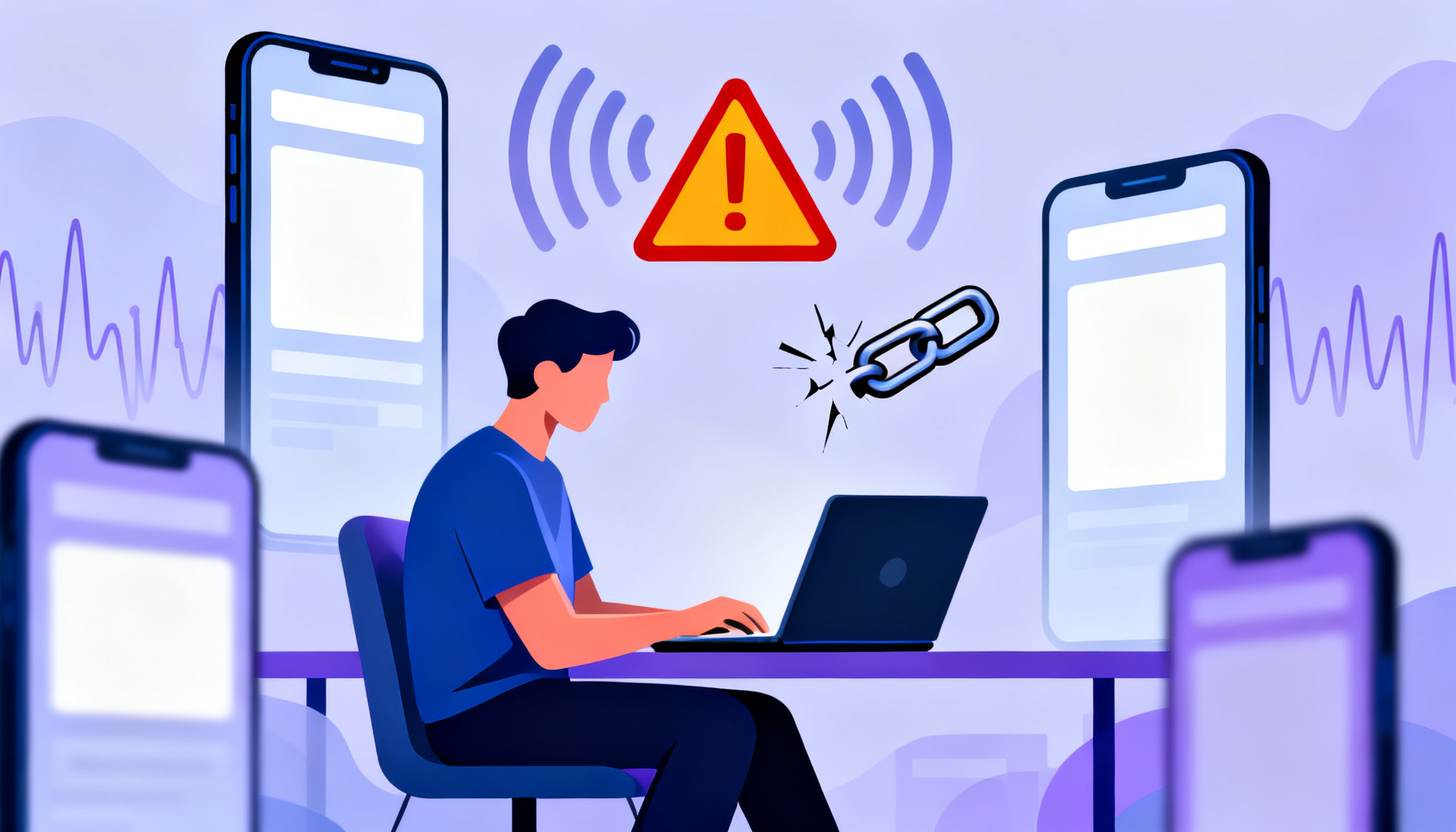
SMS verification is an essential security layer for many applications, but it can sometimes encounter hurdles that frustrate users and developers alike. Understanding the common issues and their fixes can significantly improve the verification success rate and user experience. Below, we explore the most frequent problems in SMS verification and practical troubleshooting steps to resolve them.
One of the most typical complaints is not receiving the verification code promptly or at all. This delay or absence can be due to network latency, carrier filtering, or device settings blocking messages.
Troubleshooting tips:
- Advise users to check their network signal strength and try switching between Wi-Fi and mobile data.
- Ensure the phone number format is correct, including country code, to avoid routing errors.
- Check if the carrier or device is blocking SMS from shortcodes or unknown senders; sometimes adding the sender to contacts helps.
- Implement fallback mechanisms such as voice call verification or alternative channels like WhatsApp SMS OTP phone number verification service for regions with SMS delivery issues.
Users often enter wrong codes or try codes after expiration, leading to failed verification attempts and poor user experience.
How to address this:
- Set a reasonable expiration time for codes—typically between 5 to 15 minutes—to balance security and usability.
- Allow users to request a new code easily if the previous one expires or is lost.
- Display clear error messages indicating whether the code is invalid or expired to guide users properly.
- Consider implementing rate limiting to prevent abuse but ensure it doesn’t block legitimate retry attempts.
Integrating your SMS verification with an API that supports multiple verification channels can reduce dependency on SMS alone. Explore SMS verification alternatives like the Telegram SMS OTP service or Google SMS OTP service to improve delivery rates.
Some carriers or countries block or filter SMS messages from automated systems or shortcodes, causing delivery failures.
Mitigation strategies:
- Use local virtual numbers where possible (e.g., USA virtual number, UK virtual number) to improve acceptance by local carriers.
- Partner with reliable SMS aggregators that maintain good relationships with carriers and can route messages through optimized paths.
- Monitor delivery reports and logs to identify patterns of blocking or filtering and adjust routes accordingly.
User Input Errors. Simple mistakes like typos, missing digits, or confusion about the input format are common and can cause failed verifications. Providing a smooth user interface and clear instructions minimizes these errors.
- Use input masks and validation on the frontend to ensure phone numbers and codes are entered correctly before submission.
- Offer visual feedback such as highlighting incomplete fields or invalid characters in real time.
- Support copy-paste for verification codes to reduce manual entry errors.
Implementing an SMS verification flow with detailed API documentation and sandbox testing (see API docs and API playground) allows developers to simulate and troubleshoot issues before going live.
By proactively addressing these common issues—delayed codes, incorrect inputs, carrier blocks, and user errors—you can significantly enhance the reliability of your SMS verification process. Combining best practices with smart fallback options and clear user communication ensures smooth authentication and better security for your platform.
Future Trends in SMS Verification and Alternative Technologies

SMS verification has long been the cornerstone of two-factor authentication (2FA) and user verification processes. However, the landscape is evolving rapidly as security demands increase and new technologies emerge. While SMS remains widely used due to its simplicity and ubiquity, future trends are pushing toward more secure, seamless, and user-friendly alternatives that address SMS’s inherent vulnerabilities such as SIM swapping and message interception.
One of the most promising directions is the rise of app-based authenticators. These apps generate time-sensitive one-time passwords (TOTPs) directly on the user’s device, eliminating reliance on telecommunication networks. Popular authenticators like Google Authenticator and Microsoft Authenticator provide enhanced security by operating offline and generating codes that expire quickly, reducing the window for interception or replay attacks. Integration with platforms and services is improving continually, enabling smoother user experiences without sacrificing security.
Beyond TOTPs, push notification-based verification is gaining traction as a frictionless alternative. Instead of manually entering a code, users receive a prompt on their device asking them to approve or deny a login attempt. This method leverages device biometrics or PINs for confirmation, significantly reducing the risk of phishing and man-in-the-middle attacks. Push notifications also enhance usability by eliminating the need to switch apps or enter codes, which can be especially beneficial for mobile-first users.
Push notification verification is increasingly integrated with mobile apps, including popular messaging platforms. For example, services like WhatsApp and Telegram offer APIs that facilitate secure OTP delivery and verification, combining convenience with robust security.
As the Internet of Things (IoT) expands, authentication methods must adapt to devices with limited input capabilities. This has spurred innovation in biometric verification and device-based authentication. Biometrics such as fingerprint scans, facial recognition, and voice authentication are becoming more prevalent, often used in conjunction with SMS or app-based methods for multi-layered security. Device-based authentication leverages cryptographic keys stored securely on hardware, enabling seamless and highly secure identity verification without exposing secrets over the network.
Another emerging technology is passwordless authentication, which aims to replace traditional passwords and codes altogether. This approach often uses public-key cryptography and standards like WebAuthn, allowing users to authenticate via hardware tokens, built-in biometric sensors, or trusted devices. Passwordless methods reduce attack surfaces significantly and streamline the user experience by removing the need to remember or input codes.
For developers and businesses looking to implement next-generation verification, exploring APIs that support push notifications and app-based authenticators can future-proof your authentication flows. Our API documentation provides guidance on integrating these technologies alongside SMS verification for hybrid security solutions.
Despite these advancements, SMS verification will remain relevant for many scenarios due to its reach and simplicity—especially in regions where smartphone penetration is limited. Hybrid models that combine SMS with alternative verification methods can offer a balanced approach, leveraging SMS for initial contact and fallback, while encouraging users to adopt app-based authenticators or push approvals for enhanced security.
Looking ahead, we can expect verification ecosystems to become more intelligent by incorporating machine learning to detect anomalies and adapt verification requirements dynamically. This will allow systems to prompt stronger verification only when risk indicators are detected, reducing friction for low-risk transactions.
Security Enhancement
App-based authenticators and push notifications minimize interception risks inherent in SMS by generating or delivering codes securely on the device.
User Convenience
Push-based approvals streamline the verification process by reducing manual input and leveraging biometrics for fast, secure confirmation.
Global Accessibility
SMS remains vital in areas with low smartphone adoption, but hybrid approaches ensure broader inclusivity while improving security.
For enterprises and service providers, staying abreast of these trends means not only enhancing security but also improving customer experience and compliance with evolving regulatory standards. Platforms offering virtual numbers, such as those for the United States or India, can also integrate these new verification technologies to provide flexible, secure, and scalable solutions.
In conclusion, while SMS verification will continue to play a role, the future clearly points toward diversified, multi-factor approaches that combine app-based authenticators, push notifications, biometrics, and passwordless technologies. This layered strategy will help organizations safeguard user identities more effectively while delivering frictionless authentication experiences.
Frequently asked questions
Is SMS verification still secure for user authentication?
How long should an SMS verification code be valid?
What can cause SMS verification codes to fail to deliver?
How can I prevent SMS spoofing in my verification process?
Are there legal restrictions for sending SMS verification messages internationally?
What is the difference between SMS OTP and two-factor authentication?
How can user experience be improved during SMS verification?
Can SMS verification be integrated with other authentication methods?
What are fallback options if SMS delivery fails?
How do I monitor the effectiveness of my SMS verification system?
Are virtual phone numbers reliable for SMS verification?
What are the best practices for generating secure SMS codes?
How do carrier restrictions impact SMS verification?
What future technologies could replace SMS verification?
Get started with SMSVerifier
Buy your first virtual phone number in under 60 seconds — pay as you go from $0.20 per SMS.
Create free account