SMS verification is a critical security method that uses text messages to confirm user identity, prevent fraud, and secure accounts. Mastering it involves understanding its technical processes, practical implementation steps, and security challenges to ensure reliable and safe authentication.
Fundamentals of SMS Verification and Its Role in Authentication
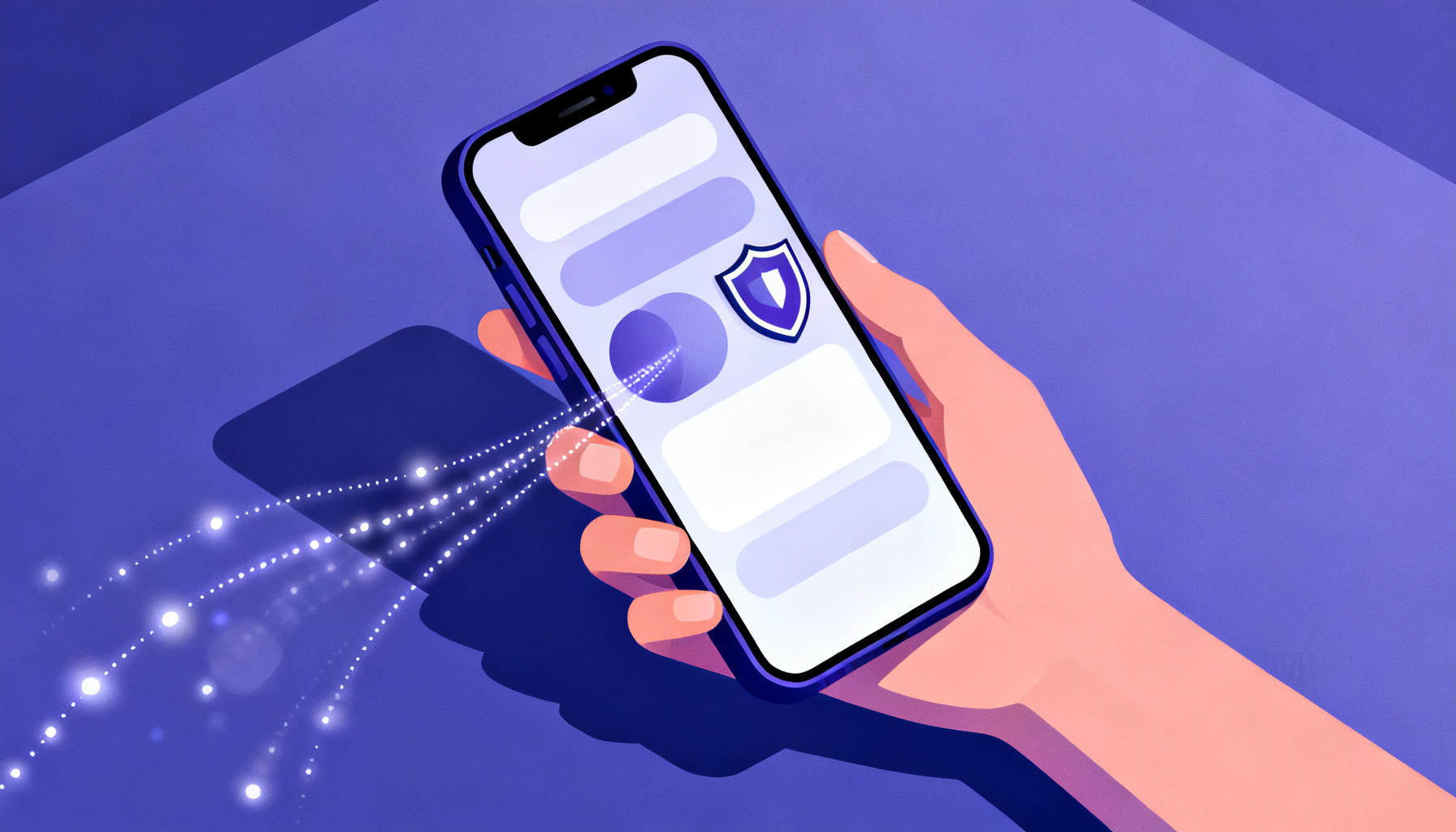
SMS verification is a widely adopted security mechanism that leverages the ubiquity of mobile phones to confirm a user's identity. At its core, it involves sending a unique, time-sensitive code via SMS to a user's registered phone number, which the user then inputs into an application or website to complete an authentication step. This process helps ensure that the person attempting to access an account or service is indeed the rightful owner of the associated phone number.
In the context of user authentication, SMS verification typically functions as a form of two-factor authentication (2FA) or multi-factor authentication (MFA). It complements traditional username-password login by adding a dynamic, one-time password (OTP) that is difficult for attackers to intercept without physical access to the user's phone. This additional layer significantly raises the bar against unauthorized access and fraud.
When a user initiates a login or registration, the system generates an OTP and sends it as an SMS message to the user’s mobile number. The user must then enter this code within a limited time frame to verify their identity. If the code is correct and timely, access is granted.
Despite the rise of biometric authentication and app-based authenticators, SMS verification remains popular due to its broad compatibility and ease of use. Practically every mobile phone supports SMS by default, making it accessible even to users without smartphones or internet access. This inclusivity is a key reason why industries from finance to e-commerce continue to rely on SMS verification as a core security control.
Technically, SMS verification depends on telecommunications infrastructure and mobile network operators to deliver messages reliably and securely. Modern SMS verification services use APIs to automate the sending and validation of OTPs, often integrating with platforms like WhatsApp, Telegram, or Google’s SMS OTP services to provide multi-channel verification options. You can explore these integrations in our API documentation and try them in the API playground.
To improve security and reduce fraud, combine SMS verification with device fingerprinting or behavioral analytics. This hybrid approach can detect suspicious login attempts even if an OTP is compromised.
From a practical standpoint, implementing SMS verification requires careful consideration of user experience and cost. Sending SMS messages globally can incur varying charges depending on the destination country, so many businesses use virtual numbers—such as US virtual numbers or UK virtual numbers—to optimize delivery and reduce expenses. Additionally, clear messaging and fallback options, like voice calls or alternate messaging apps, help ensure users can complete verification smoothly.
In summary, SMS verification remains a cornerstone of user authentication by providing a simple yet effective second factor that leverages the global reach of mobile networks. While it is not without limitations—such as vulnerability to SIM swapping attacks or delayed message delivery—its ease of deployment and widespread user acceptance keep it relevant alongside newer technologies.
How SMS Verification Works: From Code Generation to Delivery

SMS verification is a foundational security measure that ensures a user’s phone number is authentic and accessible by them. Behind the simplicity of entering a code lies a complex, yet efficient technical process that involves multiple components working seamlessly. Understanding this workflow—from code generation to delivery and validation—helps appreciate how SMS verification protects accounts and services from fraudulent access.
- Step 1 — Code GenerationWhen a user initiates verification, the system generates a unique one-time passcode (OTP). This code is typically a numeric string between 4 to 8 digits, created using cryptographically secure random number generators or algorithms designed to prevent predictability. The OTP is often time-limited, expiring within a few minutes to reduce the window for misuse.
- Step 2 — Message Formatting and QueueingOnce generated, the OTP is embedded into a message template customized for clarity and brand consistency. The message is then queued for transmission, often managed by an SMS verification service provider which handles high volumes of messages efficiently and complies with telecom regulations.
- Step 3 — Transmission via SMS GatewayThe queued message is sent to an SMS gateway, a specialized service that acts as a bridge between the application server and mobile carriers. The gateway manages routing the SMS to the recipient’s mobile network, handling protocol conversions, message encoding, and delivery status tracking.
- Step 4 — Delivery Through Mobile NetworkThe mobile network operator receives the SMS from the gateway and delivers it to the user’s mobile device. This step depends on network availability, signal strength, and carrier-specific routing rules. In some cases, delivery delays can occur, which is why OTP expiration times typically allow a buffer for network latency.
- Step 5 — User Input and VerificationThe user receives the SMS and enters the OTP into the application interface. The system then compares the entered code against the stored value for that session or transaction. If the codes match within the validity period, verification is successful, and the user is granted access or allowed to proceed with the action.
The OTP code is transient and typically stored only temporarily in memory or encrypted storage to prevent unauthorized access. To enhance security, many services implement rate-limiting and automatic invalidation after a set number of failed attempts.
From a practical standpoint, this entire process usually completes in a matter of seconds, delivering a smooth user experience while maintaining robust security. The efficiency and reliability of the SMS gateway and mobile network are critical factors in ensuring timely OTP delivery.
Choosing a reliable SMS verification provider with global reach and carrier partnerships can significantly improve delivery success rates, especially for international users. For example, integrating services like Google SMS OTP verification or Telegram SMS OTP verification can leverage optimized routing and reduce latency.
Developers often interact with SMS verification APIs that abstract much of this complexity, allowing them to trigger OTP generation and send SMS with a few lines of code. For those interested in integrating SMS verification into their applications, exploring our API documentation and API playground provides hands-on experience with sending verification codes and handling responses.
In summary, SMS verification is more than just sending a text message; it is a carefully orchestrated process involving secure code generation, reliable message transmission, and accurate validation. This technical workflow underpins many modern authentication systems, making it a vital tool in the fight against identity fraud and unauthorized access.
Different Types of SMS Verification Codes and Their Use Cases

SMS verification remains a cornerstone of user authentication and fraud prevention in digital services. Understanding the different types of SMS codes—static codes, one-time passwords (OTPs), and time-based codes—is essential for selecting the right approach tailored to your security needs and user experience goals.
Static Codes: Simple and Persistent
Static codes are fixed numeric or alphanumeric sequences that do not change over time. They are typically assigned to a user’s account or device and can be reused multiple times for verification purposes.
Static codes work well for low-risk scenarios such as account recovery or as a backup verification method where convenience is prioritized over maximum security.
While simple to implement, static codes carry inherent security risks because if intercepted or leaked, they can be reused by malicious actors indefinitely. This makes them unsuitable for high-value transactions or sensitive account access.
One-Time Passwords (OTPs): Dynamic and Single-Use
OTPs are dynamic verification codes generated uniquely for each authentication attempt. They are valid for a single use only, which drastically reduces the risk of replay attacks. Typically, OTPs are 4 to 8 digits long and are delivered via SMS immediately after a login or transaction request.
OTPs are ideal for two-factor authentication (2FA) workflows, account logins, and transaction confirmations. They ensure that even if a code is intercepted, it cannot be reused.
Integrating OTP verification with services like Google SMS OTP or Telegram SMS OTP can streamline your implementation and improve reliability.
Time-Based Codes: Expiring and Highly Secure
Time-based codes add an additional layer of security by incorporating a validity window, often just 30 to 60 seconds. These codes are generated using algorithms such as TOTP (Time-Based One-Time Password) that combine a shared secret key and the current timestamp to produce a unique code that automatically expires.
This approach is common in authenticator apps but can also be delivered via SMS for enhanced protection. Time-based codes prevent attackers from using intercepted codes after the expiration window, making them highly effective for sensitive operations.
Time-based SMS codes are recommended for high-security environments such as banking, government services, and enterprise login systems where the risk of fraud is significant.
Implementing time-based code verification typically requires synchronization between the server and client systems, and is well supported by modern APIs. For example, using the SMSVerifier API, developers can configure time-based verification flows with ease, ensuring compliance with stringent security standards.
Comparing the Code Types
| Code Type | Security Level | Typical Use Cases | Implementation Complexity |
|---|---|---|---|
| Static Code | Low | Account recovery, backup verification | Simple |
| OTP | Medium | 2FA, login verification, transaction confirmation | Moderate |
| Time-Based Code | High | Banking, government portals, enterprise security | Advanced |
For best results, combine SMS verification with app-based authenticators or biometric factors to create a multi-layered defense against unauthorized access.
Choosing the right SMS verification method depends on your application's threat model, user base, and regulatory requirements. For instance, a fintech startup might prioritize time-based codes to comply with financial regulations, while a social media platform could leverage OTPs to balance security and user convenience.
To get started with implementing robust SMS verification, explore our API documentation and experiment with sending OTPs through our API playground. Additionally, check our pricing plans to scale your verification needs efficiently.
Leveraging Virtual Phone Numbers for Scalable SMS Verification

In the landscape of SMS verification, virtual phone numbers have emerged as a pivotal tool for businesses and developers aiming to scale user authentication without the limitations of traditional telephony. Unlike physical SIM-based phone numbers, virtual phone numbers exist in the cloud, enabling flexible, programmable, and cost-effective SMS operations essential for modern digital services.
At a basic level, a virtual phone number functions as a digital endpoint that can send and receive SMS messages through internet-based telephony systems rather than relying on cellular networks tied to physical devices. This abstraction allows a single virtual number to serve multiple purposes, such as user verification, marketing campaigns, or customer support, all managed via APIs or web interfaces.
Traditional phone numbers require physical SIM cards and are bound to specific devices, limiting scalability and programmability. Virtual phone numbers, however, operate independently of hardware, enabling rapid provisioning, geographic flexibility, and seamless integration with software systems.
From a technical standpoint, virtual phone numbers are provisioned through cloud communication platforms that maintain direct connections with telecom carriers worldwide. This infrastructure enables instant number rental, SMS routing, and message receipt without manual intervention. Such a system supports high-volume SMS verification workflows where thousands or even millions of one-time passwords (OTPs) or verification codes must be delivered reliably and promptly.
When implementing virtual numbers for SMS verification, consider geo-targeted options such as USA virtual numbers or UK virtual numbers to improve delivery rates and user trust by matching the user’s locale.
Practically, virtual phone numbers enhance the scalability and flexibility of SMS verification services in several key ways:
- Rapid Deployment: Virtual numbers can be provisioned instantly through APIs, allowing businesses to scale their verification capacity dynamically in response to demand spikes without delays involved in acquiring physical SIM cards.
- Cost Efficiency: By eliminating the need for physical hardware and leveraging cloud infrastructure, virtual numbers reduce operational costs significantly, especially when managing large volumes of SMS traffic.
- Global Reach: Cloud providers offer virtual numbers across numerous countries, enabling international SMS verification without complex telecom contracts or infrastructure setup.
- Programmability: Developers can integrate virtual numbers directly with verification services such as Google SMS OTP verification or Telegram SMS OTP verification via APIs, streamlining user onboarding and security workflows.
- Privacy and Security: Virtual numbers help isolate the core business phone infrastructure from verification systems, reducing exposure to fraud and phone number recycling risks.
For enterprises and developers seeking to implement a robust SMS verification system, leveraging virtual phone numbers is a strategic choice that balances technical sophistication with practical usability. The ability to integrate these numbers via comprehensive API documentation (see API docs) and test in a sandbox environment (API playground) accelerates development cycles and enhances reliability.
Understanding the distinction between virtual and traditional phone numbers is essential to harnessing their full potential. While traditional numbers are tied to SIM cards and physical devices, virtual numbers are software-defined, allowing rapid reassignment and multi-channel usage. This flexibility is crucial when building verification systems that must adapt to fluctuating user volumes and geographic diversity.
A global app onboarding millions of users can dynamically allocate virtual phone numbers per region, ensuring SMS OTPs are delivered locally and compliantly without maintaining physical telecom assets worldwide.
In conclusion, virtual phone numbers represent a transformative advancement in SMS verification technology. By providing an elastic, programmable, and global SMS infrastructure, they empower businesses to deliver secure and seamless user verification at scale. To explore options and pricing for virtual numbers that suit your verification needs, visit our pricing and services pages and start your journey towards scalable, reliable SMS verification today.
Step-by-Step Guide to Implementing SMS Verification in Your Application

Implementing SMS verification in your application is a powerful way to enhance security and improve user trust. This process involves sending a one-time password (OTP) to a user’s phone number, which they then enter to confirm their identity. Below, we break down the practical steps to integrate SMS verification, from choosing a provider to managing user input and verification feedback.
- Step 1 — Choose a Reliable SMS ProviderStart by selecting an SMS service that offers global coverage, high delivery rates, and robust APIs. Services like SMSVerifier provide flexible options including virtual numbers for regions such as USA, UK, and India. Check their pricing and API documentation at /api/docs to ensure they meet your requirements.
- Step 2 — Integrate the SMS APIUse the provider’s API to programmatically send OTPs. Typically, this involves making an HTTP POST request with the user’s phone number and message content. For example, a simple curl request to send an OTP might look like this:
curl -X POST https://api.smsverifier.com/send \
  -H "Authorization: Bearer YOUR_API_KEY" \
  -d phone="+1234567890" \
  -d message="Your verification code is 123456"
Most providers offer SDKs for popular programming languages such as Python, Node.js, and Java, which simplify integration and error handling.
- Step 3 — Capture and Validate User InputCreate a user interface where users can enter their phone number and the OTP they receive. Use input validation techniques to ensure the phone number format is correct before sending the verification code. Once the OTP is entered, validate it by calling the provider’s verification endpoint to confirm authenticity.
Implementing real-time input validation improves user experience and reduces errors during verification.
- Step 4 — Provide Clear Verification FeedbackInform users immediately whether their verification was successful or if they need to retry. Display messages such as “Verification successful,” “Incorrect code, please try again,” or “Code expired, please request a new one.” This feedback loop is crucial for usability and trust.
Set a reasonable expiration time for OTPs (typically 5-10 minutes) and limit the number of attempts to prevent abuse.
Additionally, consider implementing fallback options such as resending the OTP or switching to alternative verification methods like voice calls if SMS fails. Some advanced SMS providers also integrate with services like Google SMS OTP or Telegram SMS OTP for enhanced flexibility.
By following these steps and leveraging comprehensive APIs, you can implement SMS verification that balances security, reliability, and user convenience. For a hands-on experience, explore our API playground to test sending and verifying OTPs instantly.
Common Security Vulnerabilities in SMS Verification and How to Mitigate Them

SMS verification is widely used for two-factor authentication (2FA) and account security, but it is not without vulnerabilities. Understanding these risks is crucial for developers, security professionals, and businesses implementing SMS-based verification to protect users effectively. Below, we explore the most common security challenges associated with SMS verification and practical strategies to mitigate them.
SIM Swapping: The Silent Threat
SIM swapping is a technique where attackers convince a mobile carrier to transfer a victim’s phone number to a SIM card controlled by the attacker. Once this is done, the attacker receives SMS messages intended for the victim, including verification codes.
SIM swapping allows attackers to bypass SMS verification entirely, gaining unauthorized access to accounts without needing the victim's password.
To reduce the risk of SIM swapping:
- Carrier Security: Choose mobile carriers with strong identity verification processes before approving SIM swaps.
- Multi-Factor Authentication: Combine SMS verification with other factors such as authenticator apps or hardware tokens.
- Monitoring: Implement real-time alerts for suspicious account changes or multiple failed login attempts.
SMS Interception and Network Vulnerabilities
SMS messages travel over the Signaling System No. 7 (SS7) network, which has known vulnerabilities that attackers can exploit to intercept messages. This can happen through malicious actors gaining access to SS7 or through man-in-the-middle attacks on mobile networks.
Intercepted SMS messages can reveal verification codes, exposing accounts to unauthorized access.
Mitigations include:
- Use Encrypted Channels: Whenever possible, supplement or replace SMS with end-to-end encrypted verification methods, such as apps or push notifications.
- Limit Code Lifetime: Keep the verification code validity window short (e.g., 2-5 minutes) to reduce the attack window.
- IP and Device Recognition: Combine SMS verification with device fingerprinting and IP reputation checks.
Social Engineering: The Human Factor
Attackers often exploit human psychology to trick users or support personnel into revealing verification codes or resetting account credentials. Phishing attempts, fraudulent calls pretending to be from customer support, or SMS spoofing are common tactics.
Educate users to never share verification codes and to verify the identity of anyone requesting sensitive information.
Additional best practices include:
- Clear Communication: Inform users that legitimate organizations will never ask for their verification codes.
- Support Staff Training: Train customer service teams to recognize social engineering attempts.
- SMS Spoofing Prevention: Employ SMS sender ID validation and domain-based message authentication to reduce spoofing risks.
Enhancing SMS Verification Security: Best Practices
While SMS verification has inherent risks, combining it with other security measures significantly increases protection.
Use Multi-Channel Verification
Integrate SMS verification with other channels like WhatsApp or Telegram for OTP delivery. This diversification can be implemented via services like WhatsApp SMS OTP or Telegram SMS OTP.
Implement Risk-Based Authentication
Evaluate risk factors such as device reputation, location anomalies, or user behavior before deciding to require SMS verification.
Use Secure APIs and SDKs
Leverage trusted APIs with built-in security features to handle OTP generation, delivery, and validation securely. Explore our API documentation for integration guidance.
Conclusion
SMS verification remains a useful security layer, but it must be implemented thoughtfully and supplemented with other controls to address vulnerabilities like SIM swapping, interception, and social engineering. By adopting best practices and leveraging multi-channel approaches, organizations can significantly enhance the security and reliability of their verification processes.
Understanding the Cost Structure of SMS Verification Services

SMS verification is a critical security and user validation tool for many applications, but understanding its cost structure is essential for budgeting and scaling effectively. The pricing of SMS verification services depends on various factors such as message volume, destination country, message type, and additional features like number masking or delivery guarantees.
Basic Pricing Models
Most SMS verification providers use one or a combination of these pricing models:
- Pay-as-you-go: You pay per SMS sent or received. This model is ideal for startups or businesses with fluctuating verification needs.
- Tiered pricing: Costs per message decrease as your monthly volume increases. This model benefits larger-scale operations.
- Subscription plans: Fixed monthly fees for a set number of verifications, sometimes with overage charges for additional usage.
Key Factors Influencing Costs
Several technical and practical elements impact the final cost of SMS verification:
- Geographic destination: Sending SMS to certain countries can be more expensive due to carrier fees and regulations. For example, virtual numbers from USA, UK, or India may have different pricing tiers.
- Type of SMS: One-way or two-way SMS, Flash SMS, or long codes versus short codes have distinct cost implications.
- Delivery speed and reliability: Premium routes or guaranteed delivery services usually come at a higher price.
- Volume and frequency: Higher volumes generally unlock discounts but require careful planning to avoid unnecessary expenses.
- Integration complexity: APIs with advanced features (see API documentation) may involve additional costs for support or usage.
Always verify if your SMS verification provider offers transparent pricing that includes all surcharges and carrier fees to avoid unexpected costs.
Technical Considerations for Cost Optimization
From a developer or technical manager’s perspective, several strategies can help optimize SMS verification costs:
- Choose the right phone number type: Using local virtual numbers in target countries (e.g., Germany or Russia) reduces cross-border charges and improves deliverability.
- Leverage smart routing: Route messages through the most cost-effective carriers without sacrificing delivery speed or reliability.
- Implement retry logic: Efficiently handle failed SMS attempts to minimize wasteful resends.
- Use multi-channel verification: Combine SMS with alternatives like WhatsApp or Telegram OTPs (see WhatsApp SMS OTP or Telegram SMS OTP) to reduce SMS volume and cost.
Monitor your SMS verification metrics regularly in your dashboard or app to identify patterns that inflate costs, such as high retry rates or international message spikes.
Practical Advice for Scaling SMS Verification
As your user base grows, managing SMS verification expenses becomes increasingly important. Consider the following practical tips:
- Negotiate volume discounts: Reach out to your SMS provider for custom pricing as your message volume grows.
- Use regional virtual numbers: Local numbers often improve trust and reduce costs for end users.
- Integrate analytics: Use tools and APIs (see API playground) that provide detailed delivery reports to optimize your campaigns.
- Automate number validation: Pre-validate phone numbers to reduce failed deliveries and wasted SMS credits.
Troubleshooting Common SMS Verification Issues and Their Solutions

SMS verification is a critical security step for user authentication, but it can occasionally encounter hiccups that frustrate both users and service providers. Understanding the root causes of common SMS verification issues and how to resolve them efficiently is key to maintaining a smooth user experience and robust security. This section outlines the most frequent problems encountered during SMS verification, including delivery failures, code expiration, user input errors, and network-related challenges, along with practical advice to troubleshoot each.
Repeated failed attempts to verify via SMS can trigger security locks or blacklisting by carriers. Implement rate limiting and CAPTCHA challenges to prevent abuse and protect your service from fraud.
Use your SMS provider’s API features to track delivery receipts and error codes in real-time. This allows you to proactively identify issues like carrier blocks or invalid numbers and react accordingly, improving overall verification success rates. Explore our API documentation for integration best practices.
By systematically addressing these common SMS verification challenges with clear communication, flexible fallback options, and robust monitoring, you can significantly enhance your user verification success. For more advanced implementations, consider combining SMS verification with other authentication methods or leveraging virtual phone number services available in various countries to optimize delivery and user convenience.
Comparing SMS Verification with Alternative Authentication Methods

SMS verification remains one of the most widely used authentication methods in digital security, primarily due to its simplicity and broad accessibility. However, it is important to understand how it compares with other popular authentication methods such as email codes, authenticator apps, biometrics, and push notifications. Each method offers distinct advantages and drawbacks in terms of security, user experience, and implementation complexity.
SMS Verification
SMS verification sends a one-time passcode (OTP) to the user's mobile phone via text message. It is easy to use and requires no additional apps, making it highly accessible. However, SMS is vulnerable to SIM swapping, interception, and phishing attacks, which can compromise security.
Email Codes
Similar to SMS, email-based verification sends OTPs to a user’s registered email address. While it is simple and widely available, email accounts can be compromised, and email delivery delays may frustrate users. It is generally considered less secure than authenticator apps or biometrics.
Authenticator Apps
Authenticator apps like Google Authenticator generate time-based OTPs on the user’s device without relying on network delivery. This method significantly reduces risks associated with interception or SIM swapping. However, initial setup requires some user effort, and losing access to the device can lock users out without backup options.
Biometric Authentication
Biometrics such as fingerprint or facial recognition offer a seamless experience by leveraging unique biological traits. They provide strong security since biometric data is difficult to replicate. However, biometric systems require compatible hardware and raise privacy concerns. Not all users or devices support biometrics.
Push Notifications
Push-based authentication sends a prompt to a user’s trusted device, where they can approve or deny access with a single tap. This method balances strong security with excellent user convenience. It requires an internet connection and a dedicated app or service, which can complicate implementation.
From a technical perspective, SMS verification operates over the cellular network, making it dependent on mobile carrier infrastructure and vulnerable to network-level attacks. In contrast, authenticator apps and push notifications generate or verify codes locally on the device, which reduces exposure to interception. Biometrics rely on hardware security modules and cryptographic processes that bind authentication to physical traits, offering a high level of assurance.
Practically speaking, the choice between these methods depends on the target user base and the required security level. SMS verification is ideal for quick deployment and users who may not have smartphones or prefer not to install additional apps. For enterprises and high-risk applications, multi-factor authentication (MFA) combining SMS with authenticator apps or biometrics is recommended.
Integrate SMS verification with your existing security stack by exploring SMS OTP services tailored for platforms like Google or Telegram to optimize user experience and security.
Usability also varies: SMS and email codes require users to switch between apps to retrieve codes, which can interrupt workflows. Authenticator apps and push notifications enable faster, more fluid authentication with fewer steps. Biometrics provide near-instant verification but rely heavily on device capabilities.
SMS codes are susceptible to interception and social engineering, while email codes risk account takeover if email credentials are compromised. Authenticator apps and push notifications mitigate many of these risks but require secure device management. Biometrics, while secure, must be carefully implemented to protect user privacy and prevent spoofing.
Ultimately, SMS verification remains a valuable tool in the authentication toolbox, especially when combined with other methods to form layered defenses. For developers and businesses looking to implement or enhance SMS verification, reviewing detailed documentation and APIs at our API docs or experimenting with the API playground can streamline integration and security customization.
Best Practices for Implementing Effective and Secure SMS Verification

Implementing SMS verification effectively requires a balance between security, usability, and compliance. By adhering to established best practices, organizations can enhance user trust, reduce fraud, and streamline the verification process. Below are key guidelines covering code complexity, expiration timing, user experience, fallback options, and regulatory compliance.
1. Design Secure and User-Friendly Verification Codes
The complexity of the SMS verification code plays a critical role in preventing unauthorized access while maintaining ease of use. Typically, a 6-digit numeric code is recommended as it offers a good balance between security and memorability. Avoid overly long or complex alphanumeric codes, which can frustrate users and increase input errors.
Use randomly generated codes with sufficient entropy to prevent guessing attacks. Avoid predictable sequences such as repeating digits or easily guessable patterns.
Additionally, consider implementing rate limiting on code entry attempts to protect against brute force attacks. This can be integrated via your SMS verification API or backend logic.
2. Set Appropriate Code Expiration Times
Verification codes should have a limited validity period to reduce the window for misuse. Common expiration ranges are between 3 to 10 minutes, depending on the use case. For highly sensitive applications, shorter expiration times improve security but may require a smoother user experience to avoid frustration.
Communicate the expiration time clearly to users within the verification prompt to encourage prompt action and reduce support queries.
Expired codes must be invalidated immediately by your backend services to prevent reuse. If your implementation uses SMS verification via popular platforms like Google SMS OTP services, ensure your expiration policies align with their recommended best practices.
3. Optimize User Experience During Verification
Streamlining the verification process improves completion rates and user satisfaction. Some practical strategies include:
- Auto-fill and auto-detection: On mobile apps, leverage APIs or platform capabilities to automatically detect incoming SMS codes and fill them into the input field.
- Clear instructions: Provide concise guidance on how to enter the code and what to expect next.
- Resend options: Allow users to request a new code if they do not receive the SMS within a reasonable timeframe, typically after 60 seconds.
For developers integrating SMS verification into multi-channel systems, consider using a unified platform that supports WhatsApp and SMS OTP verification to provide flexible communication options for users.
4. Implement Reliable Fallback and Recovery Mechanisms
SMS delivery can be affected by network issues, device limitations, or user errors. To maintain verification reliability, provide fallback options such as:
- Voice call verification: Deliver the code via an automated voice call if SMS fails or is delayed.
- Email verification: Offer an alternative verification method through email for users unable to receive SMS.
- Support channels: Ensure users have easy access to help resources or customer support if verification problems persist.
Integrating fallback options can be simplified by selecting SMS verification providers with multi-modal capabilities, detailed in the services section of SMSVerifier.
5. Ensure Compliance with Privacy and Regulatory Requirements
SMS verification processes must comply with data protection laws such as GDPR, CCPA, and telecommunications regulations. Key compliance considerations include:
- User consent: Obtain explicit consent before sending verification SMS messages.
- Data minimization: Store only necessary user data securely and purge verification codes after use or expiration.
- Opt-out mechanisms: Provide users with clear options to unsubscribe from promotional or non-essential messages.
Failure to comply with SMS and data regulations can result in legal penalties and reputational damage. Regularly review your verification workflows against current laws.
For international applications, consider using virtual numbers from regions like the United States or United Kingdom to comply with local messaging regulations and improve deliverability.
Summary
By designing secure codes, setting reasonable expiration times, optimizing user experience, providing robust fallback options, and ensuring legal compliance, organizations can implement SMS verification that is both effective and user-friendly. Leveraging comprehensive SMS verification services and APIs can further streamline these best practices, allowing you to focus on your core business while maintaining strong user authentication.
Advanced Techniques and Emerging Trends in SMS Verification

As the digital landscape evolves, SMS verification systems are becoming increasingly sophisticated to address emerging security challenges and user experience demands. Beyond the traditional one-time-password (OTP) model, advanced techniques leverage adaptive verification, machine learning, and integration with multi-factor authentication (MFA) to enhance both security and convenience. This section explores these innovations and offers a glimpse into the future of SMS verification.
Adaptive Verification: Tailoring Security in Real Time
Adaptive verification dynamically adjusts the level of authentication required based on contextual risk factors. Instead of applying a uniform SMS OTP challenge to every login or transaction, the system evaluates parameters such as device reputation, geolocation, IP address anomalies, and user behavior patterns. If the risk is low, verification might be streamlined or skipped entirely, improving user experience. Conversely, suspicious activity triggers stronger verification steps, including additional SMS challenges or alternative authentication methods.
This approach balances security with usability by minimizing friction for legitimate users while reducing the attack surface for fraudsters. Implementing adaptive verification often involves integrating SMS verification with behavioral analytics platforms and risk engines that continuously monitor user activity.
Adaptive verification systems can reduce false positives in fraud detection by up to 30%, significantly improving both security and user satisfaction.
AI-Driven Fraud Detection: Enhancing SMS Verification Security
Artificial intelligence (AI) and machine learning models are increasingly applied to detect and prevent fraud in SMS verification. These systems analyze vast datasets of verification attempts, identifying subtle patterns indicative of fraudulent behavior such as SIM swapping, phone number spoofing, or automated attacks.
AI models use natural language processing (NLP) to monitor SMS message content and metadata, detecting anomalies that static rule-based systems might miss. For example, if multiple OTP requests originate from the same device but different phone numbers, or if an OTP is requested in rapid succession, AI algorithms flag these as suspicious. This enables real-time blocking or additional verification challenges before unauthorized access occurs.
Moreover, AI helps optimize SMS delivery routes by predicting carrier network conditions, improving OTP delivery success rates globally. This is particularly relevant for services offering global phone number verification like USA virtual numbers or India virtual numbers, where network variability can impact user experience.
Integrating AI-based fraud detection with your SMS verification API can dramatically reduce account takeover attempts while maintaining a smooth user journey. Check out the API documentation for seamless integration.
Integration with Multi-Factor Authentication (MFA)
SMS verification remains a cornerstone of MFA frameworks, often serving as the second factor after password entry. However, modern security protocols advocate combining SMS OTP with other factors such as biometrics, hardware tokens, or push-based authentication to mitigate vulnerabilities inherent in SMS, like interception or SIM swap attacks.
Advanced platforms now support flexible MFA configurations where SMS verification is one layer among several, enabling adaptive workflows. For instance, a login from a recognized device might only require a fingerprint scan, while an unrecognized device triggers SMS OTP plus a biometric challenge.
Developers can implement these layered security models using unified authentication platforms that orchestrate multiple verification methods. This approach not only strengthens security but also aligns with regulatory compliance requirements for sensitive industries such as finance and healthcare.
Future Outlook: What’s Next for SMS Verification?
The future of SMS verification is shaped by both technological advances and evolving threat landscapes. Key trends include:
- Decentralized Identity (DID): Users may increasingly rely on self-sovereign identities stored on blockchain or distributed ledgers, with SMS verification integrated as a recovery or validation mechanism.
- Biometric and Behavioral Signals: SMS verification will complement continuous authentication techniques that monitor user behavior and biometrics in real time, reducing reliance on static OTPs.
- AI-Powered Automation: Automated anomaly detection and response will become faster and more accurate, minimizing human intervention and enabling proactive threat mitigation.
- Cross-Channel Verification: Integration of SMS with messaging apps like WhatsApp and Telegram for OTP delivery will enhance reliability and user preference options, as seen in services like WhatsApp SMS OTP verification and Telegram SMS OTP verification.
Organizations preparing for these shifts should invest in flexible, API-driven verification services that can evolve alongside emerging technologies and regulatory frameworks.
Despite advancements, SMS verification alone is insufficient against sophisticated attacks. Combining it with AI-driven fraud detection and MFA is crucial for robust security.
Frequently asked questions
What is SMS verification and why is it important?
How secure is SMS verification compared to other methods?
Can SMS verification be used internationally?
What are virtual phone numbers and how do they help with SMS verification?
How do I choose the right SMS verification provider?
What are common problems users face during SMS verification?
How can I improve the security of SMS verification in my app?
Is SMS verification suitable for high-security applications?
What costs are involved in implementing SMS verification?
Can SMS verification be automated for large user bases?
What future trends are expected in SMS verification technology?
Get started with SMSVerifier
Buy your first virtual phone number in under 60 seconds — pay as you go from $0.20 per SMS.
Create free account