SMS verification works by sending a one-time code via SMS to a user's phone number, which is then validated to confirm identity. This process involves telecom protocols, secure routing, and integration with authentication systems.
Fundamentals of SMS Verification and Its Role in Authentication

SMS verification is a widely adopted security mechanism that leverages the ubiquity of mobile phones to confirm a user's identity during sign-up, login, or other sensitive transactions. At its core, this process involves sending a one-time passcode (OTP) via SMS to the user's registered phone number. The user then inputs this OTP into the application or website, proving possession of the phone number and, by extension, authenticating their identity.
The primary motivation behind SMS verification is to add an extra layer of security beyond traditional passwords, which can be weak, reused, or compromised. By requiring access to a physical device — the user’s mobile phone — SMS verification introduces a form of two-factor authentication (2FA) that significantly reduces risks such as account takeover, fraudulent registrations, and unauthorized access.
Unlike passwords, which are knowledge-based, SMS verification is possession-based, meaning attackers must have physical access to the registered phone to bypass the security check. This helps protect sensitive information and ensures that only legitimate users gain entry.
Technically, the process begins when a user enters their phone number into a service’s interface. The backend server then generates a random, time-limited OTP and sends it through an SMS gateway provider to the user’s device. Upon receiving the OTP, the user submits it back to the server, which validates it against the stored code and expiry time. Successful validation grants access or completes the verification process.
To facilitate this, many services integrate APIs that handle SMS delivery, retry logic, and error handling. For example, platforms like SMSVerifier provide robust APIs that support seamless integration of SMS OTP verification into apps, websites, and even messaging platforms like WhatsApp or Telegram. This flexibility allows developers to tailor authentication flows to their users’ preferences while maintaining high security standards.
When implementing SMS verification, ensure OTPs are short-lived (typically 5–10 minutes) and single-use to reduce the window of opportunity for attackers. Additionally, consider fallback options or alternative channels, such as voice calls or messaging apps, to improve user experience and accessibility.
From a practical perspective, SMS verification balances security with convenience. Users are familiar with receiving text messages, and no additional apps or hardware tokens are required. However, developers and businesses must remain aware of potential vulnerabilities such as SIM swapping attacks or interception of SMS messages, and complement SMS verification with other security best practices when possible.
In summary, SMS verification serves as a foundational component in modern authentication strategies. It confirms user identity by leveraging the possession of a mobile device, helps prevent fraud, and enhances trust in digital interactions. For developers looking to implement or improve SMS verification, exploring detailed documentation and sample integrations in the API docs or testing features via the API playground can accelerate development and ensure reliability.
SMS Technology and Protocols Behind Verification Messages

SMS verification messages, commonly used for authentication and account security, rely on a complex interplay of telecommunications protocols and infrastructure. Understanding these underlying technologies — such as SMPP, SS7, and MAP — is essential for grasping how verification codes reliably reach users’ mobile devices within seconds.
At a basic level, when a service like SMSVerifier sends a verification code, the message must traverse multiple network elements and protocols before arriving on your phone. These protocols are designed to handle signaling, routing, and delivery efficiently across different carriers and countries.
The Short Message Peer-to-Peer (SMPP) protocol is a key enabler for sending SMS messages from applications to mobile operators. It allows SMS service providers to connect directly to the operator’s Short Message Service Center (SMSC) to submit and receive messages in real-time.
SMPP is widely used by SMS gateways and verification services because it supports high throughput, asynchronous communication, and delivery status reports. When you initiate a verification request via an API or app, SMPP is often the protocol that transports the SMS from the application server to the telecom network’s SMSC.
The Signaling System No. 7 (SS7) protocol suite is fundamental for telephony signaling and SMS routing across global networks. SS7 manages the setup, routing, and teardown of calls and messages between different network elements, including mobile switching centers and SMSCs.
For SMS verification, SS7 plays a critical role because it carries the signaling messages that route the SMS through the mobile operator’s infrastructure. It ensures that the verification SMS is delivered to the correct handset even as users move geographically or switch between cell towers.
Within SS7, the Mobile Application Part (MAP) protocol governs mobile-specific services, including SMS delivery and roaming. MAP enables the SMSC to query the Home Location Register (HLR) to find the recipient’s current location and status, ensuring the message reaches the right device.
Using SMPP in combination with SS7 and MAP protocols allows SMS verification services to achieve high reliability and low latency, critical for user experience during authentication flows.
Here’s a simplified sequence of how these protocols work together in an SMS verification scenario:
- Step 1 — SMS Submission via SMPPThe verification service’s application sends the SMS containing the one-time password (OTP) to the mobile operator’s SMSC using SMPP.
- Step 2 — Routing and Location Lookup with SS7/MAPThe SMSC uses SS7 signaling and MAP to query the HLR, determining the recipient’s current network location and routing path.
- Step 3 — Message DeliveryThe SMSC forwards the message through the mobile network to the recipient’s handset, completing the verification message delivery.
Because SMS verification messages traverse multiple networks and operators, interoperability and strict adherence to these protocols are vital. Modern SMS verification providers often maintain SMPP connections to multiple SMSCs worldwide to optimize delivery speed and success rates.
For developers integrating SMS verification, understanding these protocols helps in selecting the right service or API. For example, SMSVerifier’s API documentation outlines how SMPP-based delivery ensures your verification codes are sent securely and promptly.
Additionally, telecom regulations and security considerations impact how these protocols operate, especially with SS7 vulnerabilities being a known concern. Leading SMS verification services implement safeguards and monitoring to mitigate risks such as interception or spoofing.
If you’re looking for virtual numbers or verification services optimized for different regions, check our offerings for USA, UK, or India to leverage localized SMS routing and network partnerships.
How SMS Routing Works in the Verification Process

When you initiate an SMS verification, the journey of the one-time password (OTP) or verification code from the application server to the end-user’s mobile device involves multiple technical steps. Understanding this routing process is crucial for developers and businesses aiming to optimize delivery speed, reliability, and security.
At the core of this routing process is the Short Message Service Center (SMSC), which acts as the message broker between the sending application and the recipient's mobile network. Let’s break down the flow step-by-step, highlighting key components and interactions.
- Step 1 — Application Server Sends SMS RequestThe verification service or application backend generates an OTP and sends an SMS request to an SMS gateway via an API call. This gateway acts as the intermediary between your system and the telecom infrastructure, ensuring message formatting and routing compatibility.
- Step 2 — SMS Gateway Processes the RequestThe SMS gateway validates the message content, destination number format (including country codes such as US virtual numbers or India virtual numbers), and applies any necessary encoding or compliance rules before forwarding the message to the appropriate SMSC.
- Step 3 — SMSC Receives and Routes the MessageThe SMSC receives the message from the gateway and identifies the recipient’s mobile operator. It then queues and forwards the SMS to the recipient’s network, managing retries and delivery reports to ensure message delivery.
- Step 4 — Mobile Network Delivers SMS to DeviceFinally, the mobile operator’s infrastructure delivers the SMS to the user’s handset. Once delivered, a delivery receipt or status report is sent back through the SMSC and gateway to the application server, confirming successful verification code transmission.
The SMSC is responsible for message storage and forwarding. It handles message queuing during network congestion and retries failed deliveries, making it a critical part of the verification process.
From a technical standpoint, SMS routing relies heavily on standardized signaling protocols such as SS7 (Signaling System No. 7) within the telecom network. This protocol facilitates communication between SMSCs and mobile switching centers, enabling the accurate and timely routing of messages.
Integrating with reliable SMS gateways that support multiple SMSCs and direct operator connections can significantly improve delivery speed and reduce message loss, especially for global verification services.
Practically, this means when you use an SMS verification service like SMSVerifier, your OTP messages are routed through a robust network of gateways and SMSCs optimized for your users’ regions. For example, if your users are mostly in Europe, routing through virtual numbers such as Germany virtual numbers ensures better local delivery rates and compliance.
Additionally, routing can be influenced by factors such as:
- Number portability: The SMSC must handle cases where users port their numbers between operators.
- International routing: Messages sent internationally may pass through multiple SMSCs and gateways, each adding potential latency.
- Operator filtering: Some mobile operators implement spam filters or message throttling which can affect OTP delivery.
For developers, understanding SMS routing helps in troubleshooting delivery issues and optimizing your integration. SMSVerifier offers comprehensive API documentation and an API playground to test message routing and delivery in real time.
Furthermore, businesses can explore multi-channel verification options, combining SMS with services such as WhatsApp OTP verification or Telegram OTP verification for enhanced reliability and user convenience.
Types of SMS Verification Codes and Their Formatting Standards

SMS verification codes serve as a critical layer of security and user authentication across countless digital platforms. These codes come in various types and formats, each tailored to provide clarity for users while maintaining robust protection against fraud. Understanding the distinctions between these types and their formatting standards is essential for developers and businesses implementing SMS-based verification systems.
Common Types of SMS Verification Codes
Verification codes sent via SMS typically fall into a few primary categories, depending on their use case and security requirements:
- One-Time Passwords (OTPs): The most prevalent form, OTPs are temporary numeric or alphanumeric codes generated for a single login session or transaction. They expire shortly after issuance, minimizing the risk of reuse or interception.
- Personal Identification Numbers (PINs): Often shorter and simpler than OTPs, PINs can be used for account recovery or secondary authentication. Unlike OTPs, some PINs may be user-chosen and reusable, though temporary PINs are also common.
- Challenge-Response Codes: These codes are dynamically generated based on a specific challenge, such as a transaction amount or device ID, adding an extra layer of contextual security.
For higher security, many platforms combine OTPs with device or location data verification, which can be integrated via APIs documented in services like our API documentation.
Formatting Standards for SMS Verification Codes
Clear and consistent formatting of SMS verification codes is vital for user experience and reducing input errors. The following are common formatting practices:
- Length and Character Set: Most OTPs are 4 to 8 digits long. Numeric-only codes are preferred for simplicity, but alphanumeric codes may be used for added complexity. Avoid ambiguous characters like 'O' and '0' or 'I' and '1' to prevent confusion.
- Grouping: Codes are often grouped in pairs or triplets separated by spaces or dashes (e.g., 12 34 56 or 123-456) to improve readability, especially on mobile devices.
- Prefix or Suffix Context: Including a short prefix such as “Your code is:” or suffix like “Do not share this code” helps users quickly identify the message’s purpose and enhances trust.
- Expiration Notice: Many messages include a line indicating the time validity (e.g., “This code expires in 10 minutes”) to create urgency and reduce the window for misuse.
Implementing consistent code formats can reduce user errors and support automated code extraction features on smartphones, which recognize and autofill SMS verification codes for convenience.
Security Considerations in Code Design
From a technical perspective, the design of SMS verification codes must balance usability with security:
- Randomness and Entropy: Codes should be generated using cryptographically secure random number generators to prevent predictability.
- Single Use and Expiration: Codes must be invalidated immediately after use or after a short expiration period to prevent replay attacks.
- Rate Limiting: Systems should limit the number of code requests per user or device to prevent brute force attempts.
Practical Examples of Verification Code Usage
Different applications may adopt varying code formats based on their security needs and user base. For example:
- Banking apps often use 6-digit numeric OTPs with expiration notices for transaction verification.
- Social media platforms may use shorter PINs for account recovery, combined with additional verification via apps like WhatsApp or Telegram for enhanced security — explore our WhatsApp SMS OTP service and Telegram SMS OTP service for integration options.
- E-commerce sites frequently add human-readable prefixes and suffixes to reduce phishing risks and ensure the user recognizes the code’s origin.
Numeric Codes
Simple and easy to input, typically 4-6 digits long.
Alphanumeric Codes
Include letters and numbers for higher complexity and security.
Time-Sensitive Codes
Expire within minutes to prevent reuse and enhance protection.
To implement SMS verification with the appropriate code type and formatting, developers can leverage virtual number services available for various regions such as the USA virtual number or India virtual number. These services facilitate reliable SMS delivery and support global reach for verification workflows.
Step-by-Step Process of Integrating SMS Verification in Applications

Integrating SMS verification into your application is a crucial step to enhance user security and ensure authenticity. This process typically involves using an SMS verification service API to send one-time passwords (OTP) to users and validate their input in real-time. Below is a detailed step-by-step guide that developers can follow to implement SMS verification efficiently and securely.
- Step 1 — Choose an SMS Verification ProviderSelect a reliable SMS verification service that offers global coverage, low latency, and easy API integration. Services like SMSVerifier provide comprehensive API documentation and virtual numbers for various countries, ensuring flexible deployment based on your user base location.
- Step 2 — Register and Obtain API CredentialsSign up for the service and obtain your API key and secret. These credentials authenticate your application requests to the SMS verification API, so keep them secure. For a smooth start, explore the registration process and the API playground to test endpoints before integration.
- Step 3 — Collect User Phone NumberIn your application’s user interface, add a phone number input field. Ensure proper validation of the phone number format on the client side to reduce invalid requests. Consider internationalization by allowing country code selection or auto-detection.
- Step 4 — Initiate OTP Request via APIWhen the user submits their phone number, your backend server sends a request to the SMS verification API to generate and send an OTP. This request typically includes the phone number and optional parameters like message template and expiration time.
- Step 5 — Handle API Response and Error ManagementProcess the API response to confirm the OTP was sent successfully. Implement error handling for scenarios like invalid numbers, rate limits, or service downtime. Proper feedback to users enhances user experience and trust.
- Step 6 — Receive User Input for OTPProvide an input field for the user to enter the received OTP. Implement client-side validation to check format and length before sending it to your backend for verification.
- Step 7 — Verify OTP via APISend the submitted OTP along with the phone number or session ID to the SMS verification API for validation. The API will confirm if the OTP matches and is still valid, returning a success or failure response.
- Step 8 — Process Verification ResultBased on the API response, grant or deny access to the user. On success, mark the phone number as verified in your user database. On failure, allow retry attempts with appropriate user notifications.
Ensure you comply with local regulations and user privacy laws when sending SMS messages. Use secure transmission protocols such as HTTPS to protect API calls and user data.
To reduce costs and improve deliverability, leverage virtual numbers specific to your users' countries like US virtual numbers or India virtual numbers. This also helps in providing localized sender IDs for better user trust.
From a technical standpoint, most SMS verification APIs follow RESTful principles and accept JSON payloads. Here is a simplified example of an API call to send an OTP using a cURL command:
curl -X POST https://api.smsverifier.com/v1/send-otp \
-H "Authorization: Bearer YOUR_API_KEY" \
-H "Content-Type: application/json" \
-d '{
  "phone_number": "+1234567890",
  "message_template": "Your verification code is {{code}}",
  "expiry": 300
}'
And to verify the OTP input by the user:
curl -X POST https://api.smsverifier.com/v1/verify-otp \
-H "Authorization: Bearer YOUR_API_KEY" \
-H "Content-Type: application/json" \
-d '{
  "phone_number": "+1234567890",
  "otp_code": "123456"
}'
By following these steps and utilizing well-documented APIs, developers can integrate SMS verification seamlessly, enhancing application security and user trust. For further customization and advanced flows, consult the detailed guides in the API documentation.
Security Measures and Common Vulnerabilities in SMS Verification
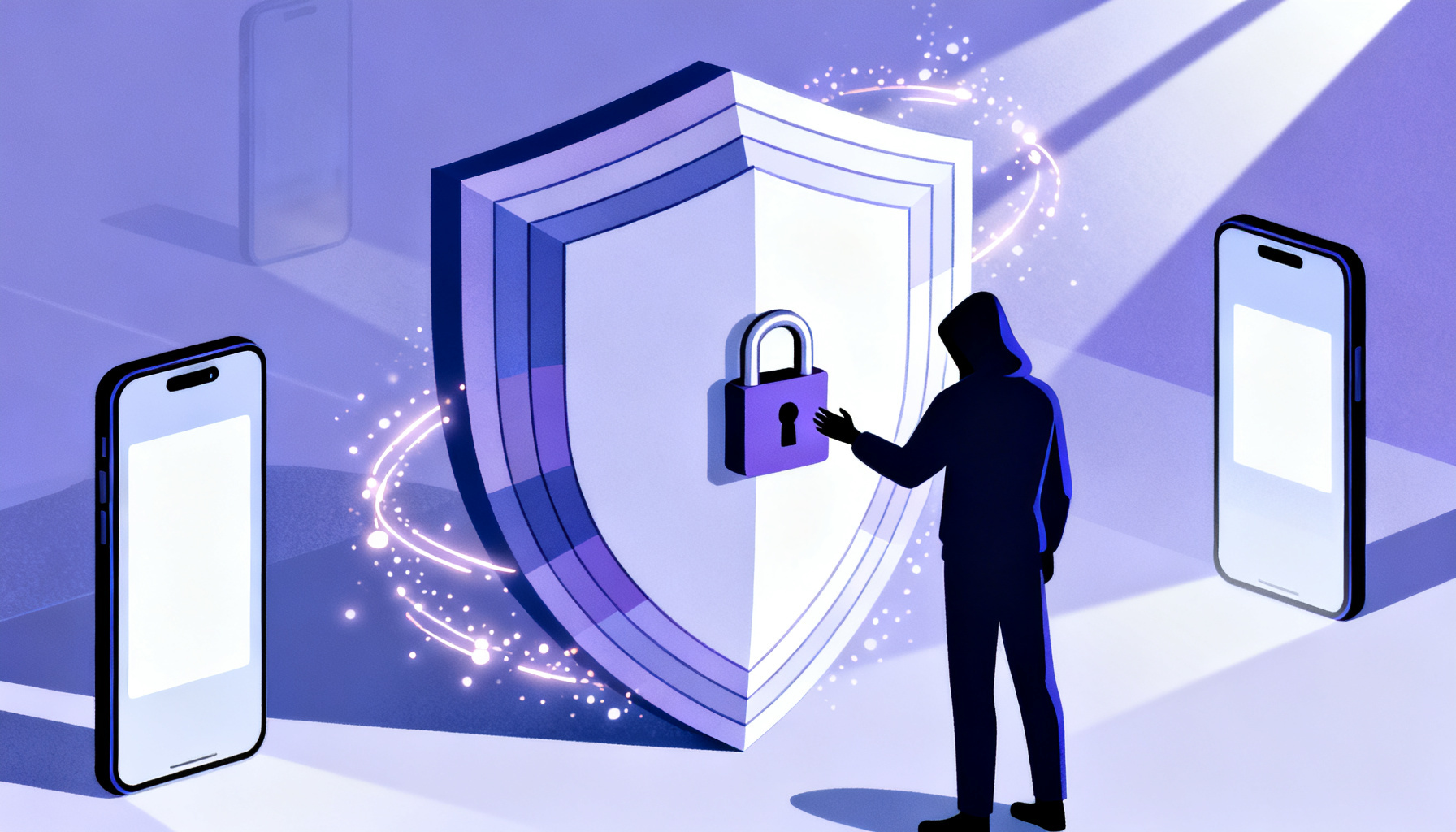
SMS verification is a widely adopted method for user authentication and account security, leveraging the ubiquity of mobile phones. However, despite its convenience, this method is susceptible to several security vulnerabilities that can compromise user accounts and sensitive data. Understanding these risks and implementing robust security measures is crucial for maintaining the integrity of SMS-based verification systems.
Common Vulnerabilities in SMS Verification
One of the most prevalent threats to SMS verification is SIM swapping. This attack involves a malicious actor convincing a mobile carrier to transfer a victim's phone number to a new SIM card controlled by the attacker. Once successful, the attacker receives all SMS messages, including one-time passwords (OTPs), enabling unauthorized access to accounts.
Another significant risk is SMS interception. This can occur through various means such as exploiting vulnerabilities in the Signaling System No. 7 (SS7) protocol that underpins global mobile networks, or through malware on the user’s device that captures incoming messages. Intercepted OTPs can be used to bypass two-factor authentication (2FA).
Additionally, social engineering tactics target users directly, tricking them into revealing their OTPs or installing malicious applications. Attackers may impersonate trusted entities via phishing messages that prompt users to disclose verification codes.
SMS verification alone is not foolproof. Attackers exploiting SIM swap or interception can bypass SMS-based 2FA, potentially leading to account takeover and data breaches.
Effective Security Measures to Mitigate Risks
To enhance the security of SMS verification, organizations should adopt a multi-layered approach:
- Carrier-level Protections: Mobile carriers can implement stricter identity verification processes before executing SIM swaps. Users should also enable carrier-provided protections such as PINs or passphrases on their accounts.
- Rate Limiting and Monitoring: Verification services should limit the number of OTP requests per phone number and monitor for unusual activity patterns that could indicate fraud or attack attempts.
- Short-lived OTPs: Reducing the validity window of OTPs limits the time attackers have to exploit intercepted codes. Typically, OTPs expire within a few minutes.
- Encrypted Channels: While SMS itself is not end-to-end encrypted, integrating SMS verification with apps that support encrypted messaging (such as WhatsApp or Telegram) can improve security. For instance, using the WhatsApp SMS OTP service or Telegram SMS OTP service leverages their encrypted infrastructure to supplement SMS verification.
- Fallback Authentication Methods: Encouraging users to register backup authentication methods, such as authenticator apps or hardware tokens, provides alternatives if SMS becomes compromised.
Implementing a layered verification strategy that combines SMS OTP with app-based authentication can significantly reduce the risk of account compromise.
Practical Recommendations for Users and Developers
Users should be vigilant about any unexpected SMS messages requesting verification codes and avoid sharing OTPs with anyone. Additionally, enabling carrier account protections and promptly reporting suspicious activity can prevent SIM swap attacks.
Developers and service providers can integrate SMS verification using APIs with built-in fraud detection and analytics. For example, exploring the API documentation of SMS verification services can reveal options like IP geolocation checks and device fingerprinting to flag suspicious verification attempts.
Furthermore, offering users the option to receive OTPs via multiple channels, including email or push notifications through secure apps, diversifies the authentication ecosystem and reduces reliance on SMS alone.
In summary, SMS verification remains a valuable tool for user authentication, but it must be fortified against vulnerabilities such as SIM swapping, interception, and social engineering. By applying carrier safeguards, employing technical best practices, and educating users, organizations can significantly enhance the security posture of their SMS verification implementations.
Cost Structure and Pricing Models for SMS Verification Services

Understanding the cost structure and pricing models behind SMS verification services is vital for businesses aiming to implement secure and scalable user authentication mechanisms. SMS verification providers typically design their pricing based on multiple factors, including the volume of messages sent, destination countries, message types, and additional service features. This section unpacks these components to offer a comprehensive view from basic to technical and practical perspectives.
Core Components Influencing SMS Verification Costs
At its foundation, the cost of SMS verification hinges on several key elements:
- Per-Message Charges: Most providers charge on a pay-per-message basis. Each verification SMS sent to a user’s phone number incurs a cost, which varies by country and carrier due to differing interconnection fees and regulations.
- Destination-Country Pricing: SMS delivery costs fluctuate significantly across countries. For example, sending an OTP to a number in the United States or the United States may be priced differently than sending to the India or Germany. Providers often maintain tiered pricing tables reflecting these regional cost differences.
- Message Type and Length: Standard SMS messages typically fit within 160 GSM-7 characters. Longer messages or those requiring Unicode encoding (for non-Latin alphabets) may be split into multiple segments, increasing cost proportionally.
- Number Rental or Virtual Numbers: Some services offer dedicated virtual numbers for sending or receiving verification messages, which usually involve a recurring monthly rental fee. This is common for two-way verification flows or for compliance with local regulations.
For businesses requiring advanced verification flows, integrating with APIs documented at our API documentation can help optimize message usage and cost.
Common Pricing Models Used by Providers
SMS verification services may adopt one or a combination of the following pricing approaches:
- Pay-As-You-Go (PAYG): This model charges businesses only for the SMS messages actually sent, making it ideal for startups or fluctuating traffic volumes. There are no upfront commitments, but per-message rates tend to be higher compared to volume-based plans.
- Volume-Based Discounts: Providers incentivize higher usage by lowering per-message costs once certain volume thresholds are met. For example, sending 100,000+ SMS in a month may unlock discounted rates. This model suits enterprises with steady or predictable verification needs.
- Subscription Plans: Some services bundle a fixed number of messages into monthly or annual subscriptions. This can simplify budgeting but requires careful estimation of message volume to avoid overage charges.
- Pay-Per-Number Rental Plus Usage: When dedicated virtual numbers are required, pricing may include a monthly fee for the number plus charges for each message sent or received. This is common in compliance-heavy markets or for two-way verification services like those used in Telegram SMS OTP verification.
Choosing a provider that offers flexible plans combining PAYG and volume discounts can help you scale cost-effectively as your user base grows.
Additional Factors Affecting Pricing
Beyond the core pricing models, several other practical considerations impact the overall cost:
- Delivery Reliability and Speed: Higher-quality providers invest in direct carrier connections and advanced routing to ensure faster, more reliable message delivery, which can come at a premium.
- Fraud Prevention and Security Features: Enhanced security measures such as number masking, fraud detection algorithms, and real-time analytics may be bundled into higher-tier pricing plans.
- Integration and Support Services: Some SMS verification platforms provide dedicated technical support, SDKs, and integration assistance, which may influence pricing tiers.
Practical Considerations for Choosing a Pricing Model
When selecting an SMS verification provider and pricing plan, businesses should consider:
- Projected Message Volume: Estimate your monthly SMS verification volume to determine if volume discounts or subscription plans are more economical.
- Geographic Reach: Identify where your users are located to anticipate destination-based pricing variations. For global apps, providers with extensive carrier coverage and transparent pricing across countries offer better predictability.
- Verification Flow Complexity: Simple one-way OTP sends may be cheaper than two-way flows requiring virtual number rentals or dedicated short codes.
- Compliance Requirements: Countries like Russia or India have strict telecom regulations that may require local virtual numbers or specific routing, affecting cost. See our dedicated pages for Russia and India virtual number options.
Explore our pricing page for detailed rate cards and customizable plans tailored to your business needs.
Summary
SMS verification pricing is multifaceted, shaped by message volume, destination, message type, and additional features such as virtual number rentals and security enhancements. Understanding these cost drivers enables businesses to select the most suitable pricing model—whether pay-as-you-go, volume-based discounts, or subscription plans—to maintain both security and cost efficiency. Leveraging provider APIs and integration tools can further optimize your SMS verification workflows and expenses.
Troubleshooting Common Issues in SMS Verification Delivery

SMS verification is a critical security and user authentication method, but it can encounter delivery issues that disrupt the user experience. Understanding the root causes of these problems and how to address them is essential for maintaining reliable verification flows. This section explores the most frequent SMS verification delivery challenges, practical diagnostics, and effective solutions.
Before diving into complex troubleshooting, verify network coverage and device settings on the recipient’s end, as many delivery failures stem from local issues.
1. Common Delivery Issues Explained
- Message Delays: SMS may arrive late due to carrier network congestion, routing inefficiencies, or temporary outages.
- Message Failures: Messages that never reach the recipient can result from invalid numbers, blocked sender IDs, or carrier filtering.
- Duplicate or Missing Codes: Sometimes multiple messages are sent or codes don’t match due to synchronization errors or API misconfigurations.
- International Delivery Problems: SMS sent to international numbers can face restrictions, longer transit times, or unsupported formats.
2. Diagnosing SMS Delivery Problems
Effective troubleshooting starts with gathering detailed information about the failure. Key diagnostic steps include:
- Step 1 — Check API Response CodesReview the SMS provider’s API response for error codes or warnings that indicate issues like invalid numbers or blocked content.
- Step 2 — Validate Phone Number FormatEnsure the phone number follows the correct international E.164 format, including country code, to prevent routing errors.
- Step 3 — Review Delivery ReportsAnalyze delivery receipts from carriers to confirm if messages were delivered, delayed, or failed, which helps isolate network vs. device issues.
- Step 4 — Test with Multiple Carriers and RegionsSend test messages to different carriers and countries to identify if the problem is localized or systemic.
3. Practical Solutions to SMS Verification Issues
Once the cause is identified, these practical approaches can help resolve common SMS verification challenges:
Use a Reliable SMS Provider
Choose providers with robust carrier relationships and fallback routes to minimize delays and failures. For example, integrating with services like Google SMS OTP or exploring options on our services page can improve reliability.
Implement Retry Logic
Automatic retries with exponential backoff can help address transient network issues. Ensure your system can detect failures and resend verification codes without user frustration.
Validate and Format Numbers Correctly
Use libraries or APIs to validate phone numbers before sending SMS. This reduces errors from invalid or incorrectly formatted numbers.
Avoid sending verification codes too frequently to the same number, as some carriers may temporarily block messages, perceiving them as spam.
4. Advanced Troubleshooting Techniques
For developers and technical teams, deeper investigation may be required to resolve persistent issues:
- Analyze Carrier Feedback: Some SMS gateways provide detailed diagnostic codes from carriers that help pinpoint filtering or routing problems.
- Monitor SMS Delivery Analytics: Utilize dashboards or logs to track trends in delivery times and failure rates, enabling proactive issue detection.
- Test Alternative Channels: If SMS issues persist, consider fallback verification methods such as voice calls or apps like WhatsApp and Telegram. Our WhatsApp SMS OTP and Telegram SMS OTP services offer seamless integration options.
Integrating with virtual numbers from specific countries like USA virtual numbers or UK virtual numbers can improve delivery rates by leveraging local carrier trust.
5. User-End Troubleshooting Recommendations
Sometimes the delivery failure is beyond the service provider’s control. Educate users to:
- Check for full network signal and avoid airplane mode.
- Ensure their SMS inbox is not full or blocked.
- Whitelist the sender’s number or shortcode to prevent filtering.
- Restart their device to reset network connections.
By combining these troubleshooting strategies with reliable SMS verification services and proper number management, you can significantly reduce verification delivery issues and enhance user trust in your authentication system.
Comparison of SMS Verification with Other Authentication Methods

SMS verification remains one of the most widely used authentication methods today, especially for two-factor authentication (2FA). However, it competes with several other techniques such as email verification, authenticator apps, and biometric authentication. Understanding how SMS verification compares on key factors like security, usability, and implementation complexity helps organizations and users select the best option for their needs.
SMS Verification
SMS verification sends a one-time code to the user's mobile phone via text message. It is easy to implement and familiar to most users, requiring only a mobile number. However, SMS is vulnerable to SIM swapping attacks, interception, and delays in message delivery.
Email Verification
Email verification involves sending a code or link to the user's email address. It benefits from widespread email use but suffers from potential delays, spam filtering, and risks if the email account is compromised. It also requires users to have reliable email access.
Authenticator Apps
Authenticator apps generate time-based one-time passwords (TOTPs) on the user’s device, without relying on network delivery. This method is considered more secure than SMS and email due to reduced attack surface. However, it requires users to install and set up an app, which may affect usability for some.
Biometric Authentication
Biometrics use unique physiological traits such as fingerprints or facial recognition. This method offers high security and convenience, eliminating the need for codes. However, it requires compatible hardware and raises privacy concerns, and false negatives or positives can affect user experience.
From a security perspective, authenticator apps and biometric methods generally outperform SMS verification. SMS messages can be intercepted or redirected via SIM swap attacks, potentially allowing attackers to gain unauthorized access. In contrast, authenticator apps generate codes offline and biometrics rely on hard-to-forge physical traits, providing stronger safeguards.
However, usability is a crucial factor in adoption. SMS verification is highly accessible since virtually all mobile phones support text messaging, and users do not need to install additional software. Email verification also benefits from familiarity but can be slower and less reliable due to spam filters and inbox clutter. Authenticator apps require initial setup steps and can be confusing for less tech-savvy users. Biometrics offer seamless user experience but depend on device capabilities and user willingness to enroll biometric data.
For the best balance, many services combine SMS verification with authenticator apps or biometrics as fallback options. This layered approach enhances security without sacrificing convenience.
In practical terms, SMS verification remains a popular choice for services requiring quick and straightforward user verification, such as during sign-up or password resets. For higher-security applications like banking or enterprise access, integrating authenticator apps or biometrics is advisable.
Developers interested in integrating SMS verification can explore specialized solutions such as our Google SMS OTP service or Telegram SMS OTP service to leverage reliable APIs and global reach.
Relying solely on SMS verification is not recommended for high-security environments due to risks like SIM swapping and interception. Always consider multi-factor authentication strategies combining different methods.
Best Practices for Implementing Secure and Reliable SMS Verification

Implementing SMS verification effectively requires a careful balance between security, usability, and reliability. Whether you are a developer integrating phone number verification into your app or a business aiming to protect user accounts, following best practices ensures your SMS verification system is both robust and user-friendly.
Below are key actionable recommendations to help you maximize the security and user experience of your SMS verification process.
SMS verification adds a vital layer of security but should be part of a multi-factor authentication strategy. Combine it with additional factors like biometrics or authenticator apps for stronger protection against sophisticated attacks.
Integrate your SMS verification system with a robust API that supports webhook callbacks and real-time status updates. This allows you to automate verification workflows and promptly handle delivery failures or invalid codes. Check out our API documentation and API playground for easy integration examples.
By following these best practices, you ensure your SMS verification implementation is secure, scalable, and delivers a smooth user experience. For businesses targeting specific markets, consider virtual numbers optimized for those regions — such as US, UK, or India virtual numbers — to improve message deliverability and compliance.
Advanced SMS Verification Technologies and Future Trends

SMS verification has evolved significantly beyond simple one-time password (OTP) delivery, integrating cutting-edge technologies to enhance security, user experience, and fraud prevention. As digital ecosystems grow more complex, advanced SMS verification methods are becoming indispensable for businesses and developers who rely on robust identity verification. This section explores the latest innovations such as AI-driven fraud detection, number masking techniques, and emerging protocols that promise to redefine the future landscape of SMS verification.
Artificial intelligence (AI) and machine learning algorithms analyze patterns in SMS verification attempts, detecting suspicious behavior such as SIM swapping, SMS interception, or repeated failed verifications. This proactive approach helps prevent account takeovers and unauthorized access.
Traditional SMS verification systems primarily focus on sending OTPs to users’ phone numbers. However, malicious actors have developed sophisticated methods like SIM swapping or intercepting SMS messages to bypass these checks. AI-powered fraud detection systems continuously monitor verification data in real-time, identifying anomalies such as unusual geographic access, rapid OTP requests, or device fingerprint inconsistencies. By flagging or blocking these suspicious activities, AI improves the security posture of SMS verification services.
Integrating AI fraud detection with your SMS verification process can drastically reduce false positives while maintaining a smooth user experience. For developers, exploring APIs that offer built-in AI analytics—such as those documented in our API docs—can accelerate deployment.
Another notable advancement is number masking, which enhances privacy by obfuscating the actual phone number during the verification process. Instead of exposing the user’s real number, intermediate virtual numbers or proxy identifiers relay SMS messages. This technique not only protects user data from potential leaks but also mitigates risks associated with phone number reuse or resale.
For example, virtual number services such as our USA virtual number or India virtual number options enable developers to implement number masking easily. These virtual numbers act as intermediaries, routing OTP messages without revealing the underlying user data. This method is particularly valuable in regions with strict data privacy regulations or for applications requiring additional anonymity layers.
Looking ahead, next-generation protocols like Rich Communication Services (RCS) and 5G-enabled verification are set to revolutionize SMS verification. RCS, often referred to as the “next SMS,” supports enhanced messaging features including read receipts, end-to-end encryption, and interactive verification flows. This will allow verification messages to be more secure and engaging, reducing friction for end users while providing more data points for fraud analysis.
AI-Powered Risk Scoring
Automatically assigns risk levels to verification attempts based on behavioral and contextual data, enabling dynamic security policies.
Number Masking & Privacy
Utilizes virtual or proxy numbers to protect user identities and enhance regulatory compliance.
Next-Gen Protocols
Incorporates RCS and 5G capabilities for encrypted, interactive, and faster verification experiences.
Implementing these advanced technologies requires a blend of technical expertise and strategic planning. Developers can leverage comprehensive solutions that integrate AI fraud detection and number masking seamlessly through APIs. For instance, SMSVerifier offers a unified platform where you can manage SMS OTP verification alongside AI-driven threat analytics. This synergy simplifies implementation and ensures your verification flows stay ahead of evolving security threats.
How does AI improve SMS verification accuracy?
From a practical standpoint, businesses adopting these innovations can expect not only enhanced security but also improved user retention. Frictionless verification that adapts dynamically to risk levels reduces user drop-off during onboarding or login. Moreover, privacy-centric approaches like number masking build trust with customers increasingly concerned about data security.
Explore combining SMS verification with complementary channels such as WhatsApp or Telegram for multi-channel OTP delivery, improving reliability and user convenience. Our WhatsApp SMS OTP service and Telegram SMS OTP service offer robust integrations for this purpose.
In summary, the future of SMS verification lies in intelligent, privacy-conscious, and protocol-advanced technologies. By embracing AI-driven fraud detection, number masking, and emerging messaging standards, organizations can build resilient verification systems that protect users and enhance operational efficiency. Staying informed and leveraging platforms that incorporate these innovations is key to maintaining a competitive edge in identity verification.
Frequently asked questions
What is SMS verification and how does it work?
Which telecom protocols are used to deliver SMS verification codes?
What are the common security risks associated with SMS verification?
How can developers integrate SMS verification into their applications?
Why might SMS verification messages fail to arrive?
How does SMS verification compare to authenticator apps?
What are the typical costs involved in SMS verification?
Can SMS verification be bypassed by hackers?
What formatting is best for SMS verification codes?
Are there alternatives to SMS for verification purposes?
How do SMS verification providers ensure message delivery?
What future trends are emerging in SMS verification technology?
Get started with SMSVerifier
Buy your first virtual phone number in under 60 seconds — pay as you go from $0.20 per SMS.
Create free account