Disposable phone numbers are temporary virtual phone lines used for privacy, verification, and security. This guide covers their types, technical setup, practical applications, costs, and best practices for safe and effective use.
What Are Disposable Phone Numbers and Why They Matter

In an increasingly digital world, where online interactions demand rapid yet secure communication, disposable phone numbers have emerged as a vital tool. But what exactly are these numbers, and why should individuals and businesses care about them?
Disposable phone numbers—also known as temporary, burner, or virtual phone numbers—are phone numbers that can be used for a limited time or purpose before being discarded. Unlike your permanent mobile or landline number, these numbers are designed to provide a layer of anonymity and security, allowing users to interact with online platforms without exposing their real phone number.
Disposable phone numbers are temporary phone numbers that enable users to receive SMS or calls for verification or communication without revealing their personal or business phone number.
At a basic level, disposable numbers are commonly used for one-time verifications, such as signing up for websites, apps, or services that require phone number validation. This prevents spam, fraud, and unsolicited follow-ups on your primary number. From a technical perspective, these numbers are often provided through cloud telephony platforms or SMS verification services that route messages to the user temporarily.
Using disposable phone numbers can significantly reduce the risk of your primary number being targeted by spam calls or phishing attempts, especially when registering on new or less trusted platforms.
The importance of disposable phone numbers extends beyond privacy. For developers and businesses, they facilitate phone number verification workflows without the overhead of managing physical SIM cards or dedicated telecom infrastructure. This is essential in scenarios where multiple verifications are needed quickly or where users may not want to disclose their permanent contact details.
Moreover, disposable numbers are instrumental in enhancing security protocols. By isolating the verification process from a user’s main number, organizations can better ensure the integrity of one-time passcodes (OTPs) and reduce the attack surface for SIM-swap fraud or number hijacking.
Practically speaking, disposable phone numbers serve various use cases:
- Privacy Protection: Individuals can avoid sharing their real number on social media, online marketplaces, or dating apps.
- Spam Prevention: Temporary numbers prevent your main number from being added to spam lists or telemarketing databases.
- Testing and Development: Developers use disposable numbers to test SMS OTP flows without incurring costs or risking exposure of real numbers.
- Business Operations: Customer support or marketing teams can use disposable numbers to segment communication channels or run limited-time campaigns.
Many services, including those offering API documentation and virtual numbers from various countries like the USA, UK, or India, provide disposable phone numbers tailored for different regulatory and operational needs. This flexibility allows users to choose numbers that best fit their location or target audience.
When you request a disposable phone number, the provider assigns a virtual number that forwards incoming SMS or calls to your chosen endpoint, often a web dashboard or API. After the intended use, the number is deactivated or recycled.
In summary, disposable phone numbers are crucial in today's digital ecosystem for protecting privacy, enhancing security, and enabling efficient verification processes. Whether you are a casual user wanting to keep your personal number private or a business automating large-scale SMS verification, understanding and leveraging disposable numbers is a smart, practical step.
How Disposable Phone Numbers Work Technically Behind the Scenes
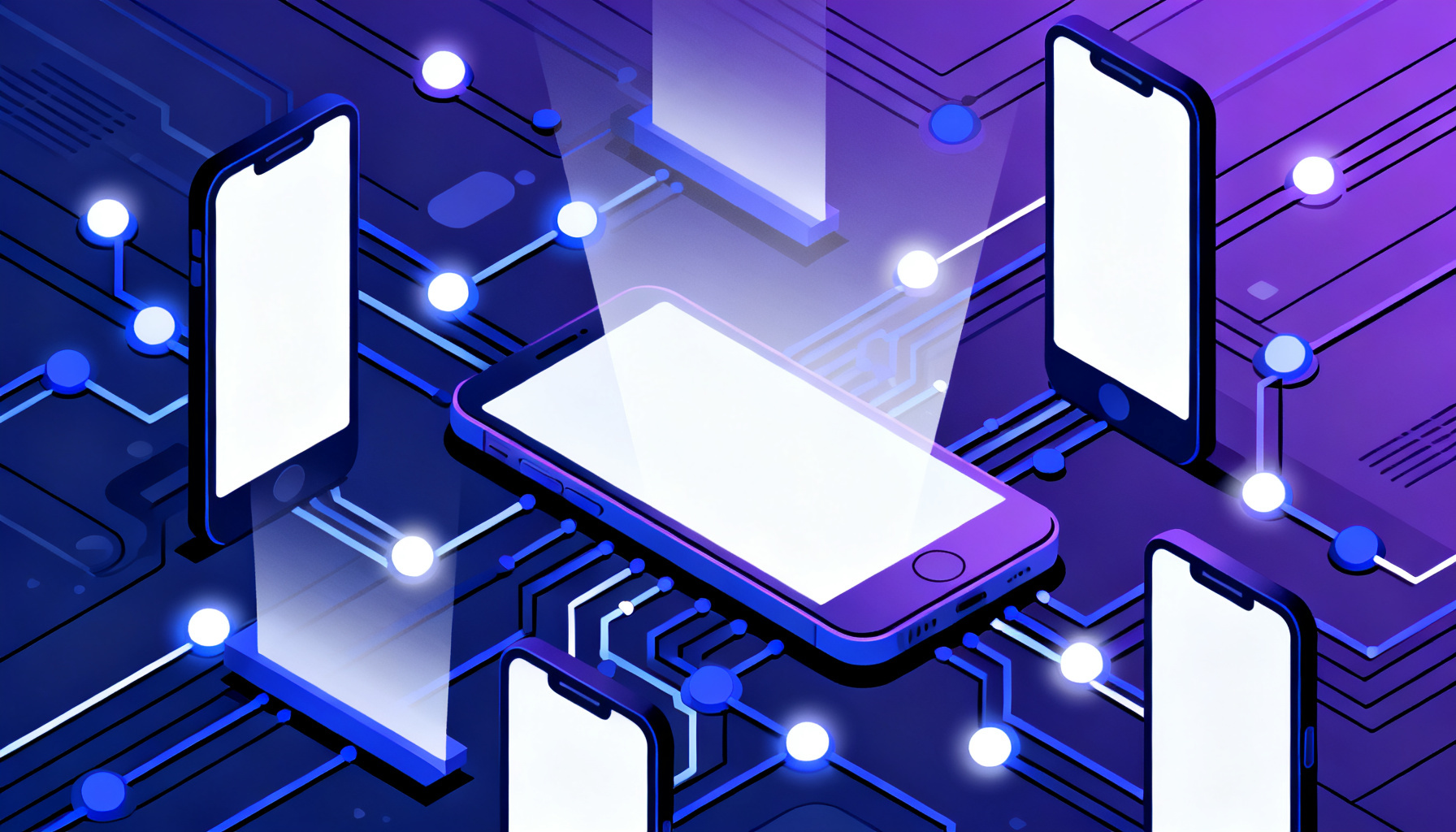
Disposable phone numbers, also known as virtual or temporary phone numbers, are a crucial tool in modern telecommunications, enabling privacy, security, and convenience for users worldwide. Understanding how these numbers function technically involves exploring the interplay between virtual number provisioning, SMS routing, number recycling, and integration with the broader telecom infrastructure.
At its core, a disposable phone number is a virtual number not tied to a physical SIM card or a permanent subscriber identity. It can receive SMS messages or calls temporarily and is often used for verification purposes, online registrations, or privacy protection.
The process begins with virtual number provisioning. Providers maintain pools of phone numbers across various countries and telecom operators—such as the USA virtual number or UK virtual number ranges—to assign dynamically to users. These numbers are assigned on-demand through APIs or user interfaces, often with flexible lifespans depending on the use case.
Behind the scenes, the telecom infrastructure supporting disposable numbers is complex. Providers maintain telecom gateways that act as intermediaries between the internet and mobile networks. These gateways translate internet-based SMS requests into telecom protocols and vice versa, ensuring seamless communication.
For developers integrating disposable numbers into their applications, platforms often expose REST APIs documented in resources like API documentation and interactive environments such as the API playground to simulate message sending and number management.
Another technical consideration is number portability and compliance. While disposable numbers simplify many verification steps, providers must comply with telecom regulations, including lawful interception and anti-fraud measures. This often involves working closely with telecom operators and regulatory bodies.
On the practical side, disposable numbers are frequently used for SMS OTP (One-Time Password) verification processes on platforms like WhatsApp, Telegram, and Google services. These integrations require robust SMS routing to ensure prompt and reliable delivery of verification codes, which is why providers often offer specialized services such as WhatsApp SMS OTP phone number verification or Telegram SMS OTP phone number verification.
To summarize, the technical workings of disposable phone numbers combine virtual number management, telecom gateway operation, SMS routing protocols, and number lifecycle control. This orchestration enables businesses and individuals to benefit from secure, flexible, and private communication channels without the need for traditional physical SIM cards or permanent subscriptions.
Types of Disposable Phone Numbers: Temporary, Burner, Virtual, and More

Disposable phone numbers come in various forms, each tailored to specific needs and scenarios. Understanding the distinctions between these types—such as temporary, burner, virtual, and multi-use numbers—empowers users and businesses to select the most suitable option for their communication and verification needs.
1. Temporary (Single-Use) Phone Numbers
Temporary phone numbers, often referred to as single-use numbers, are designed for very short-term usage—typically minutes to a few hours or days. They are ideal when you want to receive a one-time SMS verification code or phone call without revealing your real number. For example, when signing up for online services that require phone verification but you want to avoid spam or future contact.
These numbers are automatically deactivated after their short lifespan, ensuring no ongoing link to the user’s identity. They are commonly used in Google SMS OTP verification or similar services requiring immediate but temporary validation.
Registering for a website or app that requires phone verification once, without ongoing communication needs.
2. Burner Phone Numbers
Burner numbers are a type of disposable phone number intended for short to medium-term use. Unlike single-use temporary numbers, burner numbers can be kept active for days or weeks and allow both sending and receiving calls and texts. They are popular among users who want to separate personal and temporary business communications or maintain anonymity for a limited period.
Burner numbers are often used by freelancers, online sellers, or anyone conducting transactions where they need to protect their primary number. These numbers can be discarded once their purpose is fulfilled, reducing the risk of unwanted follow-ups.
Burner numbers typically provide a full phone number experience, supporting SMS, calls, and sometimes voicemail, unlike very short-lived temporary numbers.
3. Virtual Phone Numbers
Virtual phone numbers are cloud-based numbers not tied to a physical SIM card or device. They can be configured for various durations and purposes—from permanent business lines to disposable verification numbers. Virtual numbers can be local or international, allowing users to establish a presence in different countries without physical relocation.
Because of their flexibility, virtual numbers are often integrated into APIs and services, enabling automated SMS and call handling. For instance, companies use virtual numbers for customer support, marketing campaigns, or SMS OTP verification services like WhatsApp SMS OTP verification.
Virtual numbers enable localization—such as USA virtual numbers or UK virtual numbers—helping businesses reach customers with familiar area codes.
4. Multi-Use Disposable Numbers
Some disposable numbers offer multi-use functionality, allowing users to receive multiple SMS or calls over a set period. Unlike single-use numbers, these can be reused for multiple verifications or ongoing communications while still protecting the user’s identity. This option balances convenience and privacy for users engaging repeatedly with services that require phone verification.
This type is particularly useful for developers or testers who need to verify multiple accounts without managing many separate numbers. It also suits casual users who want a disposable number that lasts longer but doesn’t require a full subscription.
If you need repeated SMS verification during development or testing, consider multi-use disposable numbers accessible via APIs documented in our API docs and tested in the API playground.
5. Specialized Disposable Numbers
Beyond the common categories, some disposable numbers cater to niche use cases. For example, numbers optimized for messaging apps like Telegram, which require phone verification, can be rented as disposable numbers tailored for Telegram SMS OTP verification. Others might be designed for region-specific compliance or to support particular telecom protocols.
These specialized numbers ensure compatibility and higher success rates for verification workflows in specific ecosystems or countries.
Global Reach
Access disposable numbers from multiple countries, including Germany, India, and Russia, to suit regional needs.
Privacy Focused
All disposable numbers prioritize user privacy by masking personal phone numbers and minimizing data retention.
API Integration
Seamlessly integrate disposable number services into apps or platforms through robust APIs for automated verification workflows.
In summary, selecting the right disposable phone number depends on your intended use—whether it’s a one-off verification, medium-term anonymity, business communications, or developer testing. Understanding these types helps optimize costs, security, and convenience.
Step-by-Step Guide to Acquiring and Using Disposable Phone Numbers Safely
- Step 1 — Choose a Trusted Disposable Number ProviderStart by selecting a reputable service offering disposable phone numbers tailored for SMS verification. Providers like SMSVerifier offer numbers from various countries such as USA, UK, and Germany, ensuring flexibility depending on your verification needs. Evaluate their privacy policies, number availability, and pricing models to align with your usage requirements.
- Step 2 — Register and Secure Your AccountCreate an account on the provider’s platform to manage your disposable numbers. Use a strong, unique password and enable two-factor authentication if available. This step safeguards your access to numbers and prevents unauthorized use. For platforms offering APIs, such as the SMSVerifier API, ensure you generate secure tokens and manage them carefully.
- Step 3 — Select the Appropriate Number Type and RegionDepending on your verification target, pick a number from the desired country or region. For instance, choosing a number from India or Russia might be necessary for region-specific services. Confirm that the number supports receiving SMS OTPs from platforms like WhatsApp, Telegram, or Google, which SMSVerifier supports extensively.
- Step 4 — Acquire the Disposable NumberPurchase or rent the number for the required duration. Many services offer flexible plans, including pay-as-you-go or subscription-based pricing (see pricing). Immediately verify the number’s functionality by sending a test SMS or requesting a verification code from a trusted service.
- Step 5 — Use the Number for SMS VerificationWhen registering or logging into an online service, input the disposable number for receiving the One-Time Password (OTP). Access the SMS inbox on your provider’s dashboard or via their API endpoints to retrieve the verification code promptly. This ensures your real phone number remains private and secure.
- Step 6 — Monitor and Manage Incoming MessagesRegularly check received messages to avoid missing critical OTPs. Some platforms provide notification options or webhook integrations to automate message retrieval. Proper message management helps prevent account lockouts or failed verifications.
- Step 7 — Dispose or Renew the Number as NeededOnce the verification process is complete and you no longer require the number, release or delete it to maintain privacy and avoid unwanted messages. If ongoing use is necessary, renew the number’s lease through your provider’s control panel or API.
Always confirm that the disposable number service complies with legal and privacy standards in your jurisdiction. Misusing temporary numbers for fraudulent activities can lead to penalties and account bans.
Integrate disposable number usage into your workflow via API automation to streamline large-scale SMS verifications. Refer to the API Playground for hands-on testing and quick integration examples.
Avoid sharing disposable numbers on public forums or insecure platforms. Numbers exposed publicly can be recycled or blacklisted, reducing their effectiveness for verification purposes.
Understanding Cost Structures and Pricing Models for Disposable Phone Numbers
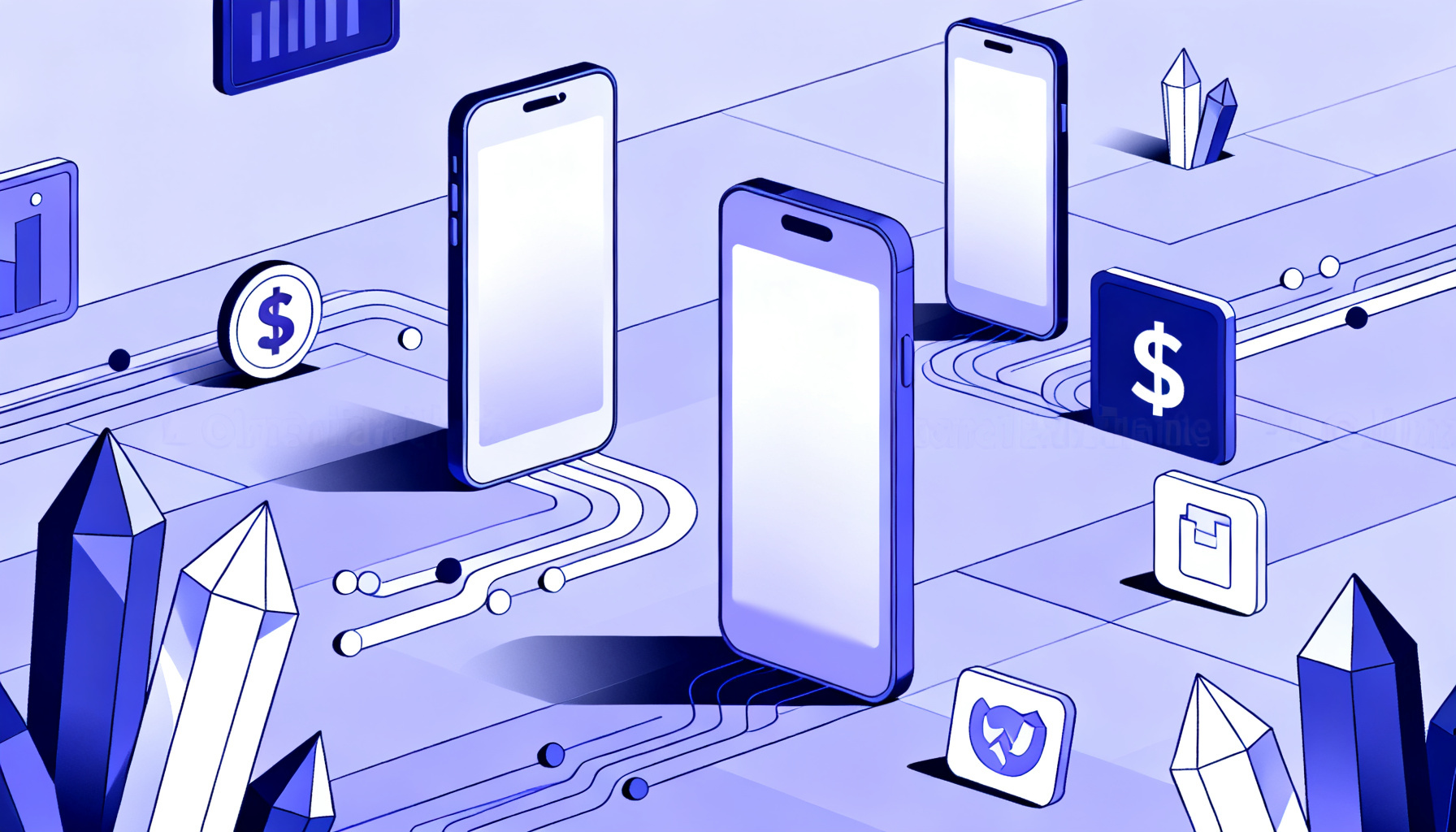
Disposable phone numbers have become essential tools for privacy, security, and flexibility in communication—especially when verifying accounts or maintaining anonymity online. However, understanding the cost structures and pricing models behind these numbers is crucial for both casual users and developers integrating such services into their applications. This section breaks down the common pricing approaches, subscription options, pay-per-use fees, and the key factors influencing costs, offering clarity whether you're exploring basic usage or technical integration.
Common Pricing Models
The pricing for disposable phone numbers generally falls into two broad categories: subscription-based and pay-per-use. Each caters to different user needs and usage patterns.
- Subscription Plans: These are ideal for users or businesses requiring continual access to disposable numbers. Subscriptions typically offer a set number of numbers or minutes per month for a fixed fee. Plans can range from basic tiers with limited features to premium options offering multiple numbers, extended validity periods, or international coverage.
- Pay-per-Use: This model charges users based on actual activity, such as receiving SMS messages or calls on a disposable number. It’s cost-effective for intermittent or one-time verifications without the commitment of a monthly fee. This pricing style is prevalent among developers testing integrations or users needing single-use numbers.
Many providers combine these models, offering subscriptions with included usage credits plus overage fees for additional activity.
Subscription Plans: What to Expect
Subscription fees vary widely depending on the provider, geographic coverage, and included features. For example, a subscription granting access to virtual numbers in regions like the United States, United Kingdom, or India might cost differently based on telecom regulations and number availability.
Subscriptions often include benefits such as:
- Multiple disposable numbers available simultaneously
- Extended number rental periods (days to months)
- Access to API endpoints for automation (see API documentation)
- Priority support and enhanced reliability
These plans suit businesses verifying users via SMS OTPs on platforms like WhatsApp or Telegram, where consistent access and reliability are critical.
Pay-Per-Use Fees Explained
Pay-per-use pricing charges based on actual consumption—typically per SMS received or per call. This model is especially attractive for developers or users who need disposable numbers sporadically. For example, you might pay a small fee to rent a number for a few minutes to receive an OTP from a service like Google.
Costs per message or call can vary depending on:
- The country of the virtual number
- Message volume or call duration
- Provider markup and telecom fees
Always check if the provider charges separately for receiving SMS versus number rental—some charge a flat fee for the number plus additional fees per message.
Factors Influencing the Cost of Disposable Numbers
Several variables impact how much you pay for disposable phone numbers:
- Country and Number Type: Numbers from high-demand or regulated countries typically cost more. For instance, virtual numbers from the Germany or Russia markets may have different pricing than those from the US or UK.
- Number Longevity: Longer rental periods increase cost but improve usability for ongoing verification needs.
- Volume Discounts: High-volume users or enterprises often receive discounted rates through custom plans.
- Service Features: Advanced capabilities like SMS forwarding, API access, or multi-channel support can add to the price.
How to Choose the Right Pricing Model for Your Needs
Choosing between subscription and pay-per-use depends largely on your usage frequency and scale:
For developers integrating disposable numbers into apps or services, leveraging the provider’s API (see API playground) with a subscription plan often provides better cost efficiency and smoother scaling.
Summary
Disposable phone number pricing is influenced by the chosen model—subscription or pay-per-use—along with geographic, technical, and volume factors. Subscriptions suit consistent, high-volume needs with added features, while pay-per-use fits casual or testing scenarios. Carefully evaluating your use case, required countries, and feature needs will help you select a cost-effective plan, whether for personal privacy or large-scale SMS verification in your applications.
Common Use Cases for Disposable Phone Numbers Across Industries
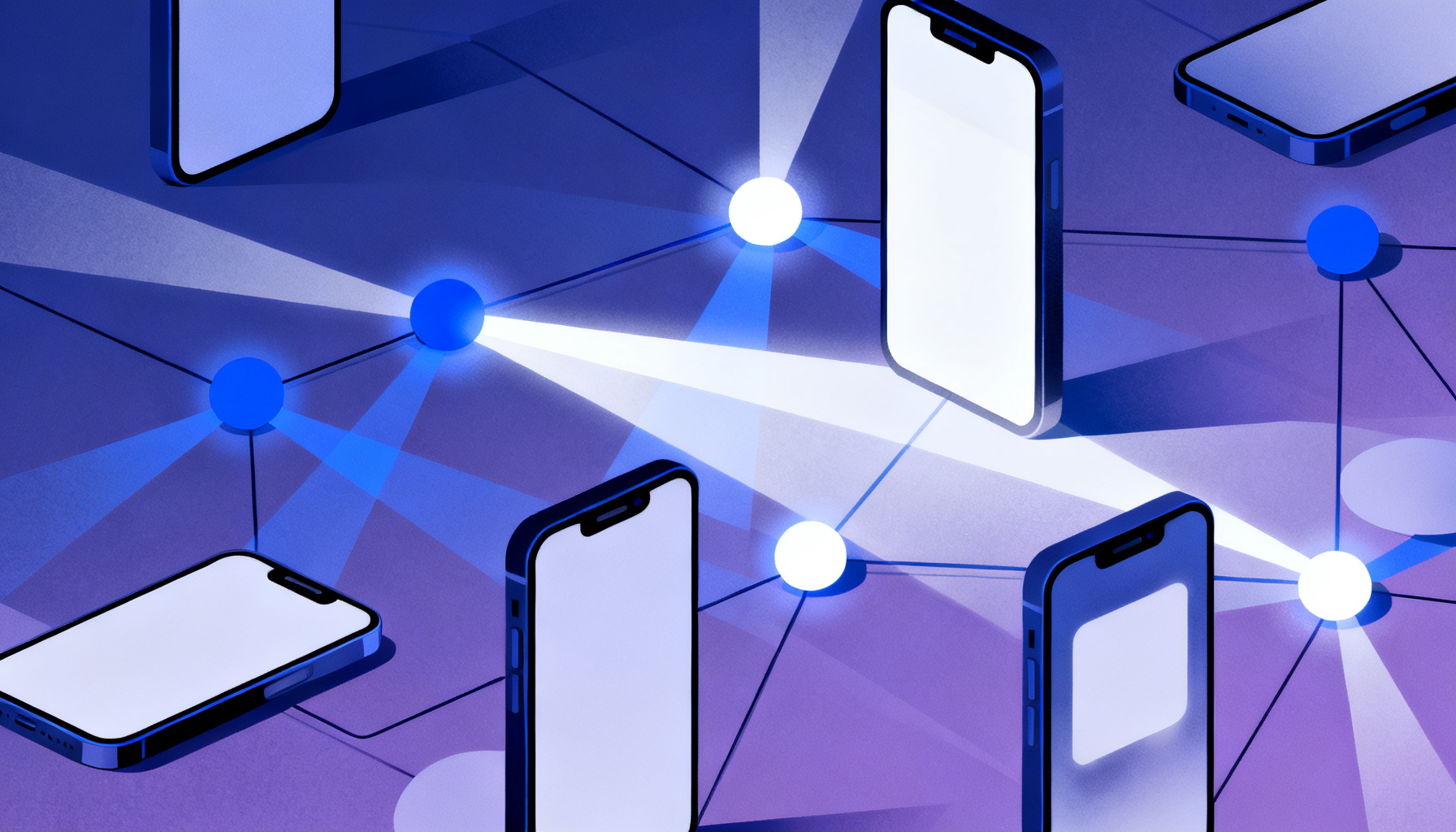
Disposable phone numbers have become an essential tool across many industries, offering a versatile solution to challenges related to privacy, security, and user verification. At their core, these temporary numbers allow individuals and businesses to receive SMS or voice calls without revealing their permanent phone number, which adds a layer of anonymity and protection. Below, we explore some of the most common practical applications where disposable phone numbers provide significant value.
1. Online Verification and Account Security
One of the most widespread uses of disposable phone numbers is for SMS OTP verification and multi-factor authentication (MFA). Many online platforms require users to verify their identity by sending a one-time password (OTP) to a phone number. Disposable numbers allow users to complete this verification process without exposing their personal number, reducing the risk of spam or identity theft.
For businesses, integrating disposable numbers into their verification workflows can enhance security while maintaining user privacy. This is especially useful for services that require frequent verification or cater to privacy-conscious users.
2. Privacy Protection and Anonymous Communication
Consumers increasingly seek ways to protect their personal information online. Disposable phone numbers enable anonymous communication for activities such as classified ads, online dating, or temporary project collaborations. By using a temporary number, users can interact freely without fear of unwanted follow-ups or harassment.
Disposable numbers act as a buffer between your personal contact details and the public, minimizing exposure to telemarketers, scammers, and data breaches.
For professionals who need to maintain anonymity—such as journalists or whistleblowers—disposable phone numbers provide an additional layer of confidentiality during sensitive communications.
3. Marketing Campaigns and Customer Engagement
Marketers leverage disposable phone numbers to run targeted SMS campaigns, track responses, and segment audiences without cluttering their primary contact lines. Using unique disposable numbers for different campaigns allows businesses to monitor engagement metrics precisely and prevent cross-campaign data contamination.
For example, a company launching a promotion in multiple regions might use country-specific disposable numbers like USA virtual numbers or UK virtual numbers to tailor messages and comply with local regulations. This flexibility supports effective communication strategies without long-term commitments.
4. Fraud Prevention and Risk Mitigation
Disposable phone numbers play a critical role in reducing fraud and abuse online. They help detect and mitigate suspicious behavior by isolating transactions or registrations linked to temporary numbers. This is invaluable in sectors such as finance, e-commerce, and online gaming, where verifying genuine users is vital to preventing scams.
While disposable numbers enhance fraud prevention, they should be paired with robust backend analytics and behavioral monitoring to effectively distinguish legitimate from malicious activity.
By integrating disposable numbers into their security stack, companies create a layered defense that complicates fraudsters' ability to exploit phone-based verification systems.
5. Streamlined User Onboarding and Testing
Developers and QA teams benefit from disposable phone numbers during app testing and development. They can simulate user sign-ups, OTP flows, and communication features without using real phone numbers, reducing risks of accidental exposure or spamming real users.
For example, teams building messaging apps can utilize disposable numbers to test features like SMS delivery, call forwarding, or third-party integrations. This practical use case accelerates development cycles and ensures higher quality releases.
Use the API documentation of disposable number providers to automate number generation and SMS retrieval, making testing workflows more efficient and less error-prone.
6. Temporary Projects and Short-Term Communications
In scenarios where communication is needed only temporarily—such as event management, short-term rentals, or freelance gigs—disposable phone numbers offer a convenient solution. They enable parties to stay in touch without exchanging permanent numbers, preserving privacy once the project concludes.
This flexibility is especially valuable in the gig economy, where workers and clients often prefer limited exposure of personal contact data.
Privacy First
Disposable numbers protect user identity and reduce spam risks.
Easy Integration
APIs allow seamless integration for verification and messaging workflows.
As disposable phone numbers continue to evolve, their adaptability across industries highlights their indispensable role in modern digital communication. Whether it’s securing user accounts, enabling anonymous chats, or optimizing marketing efforts, these temporary numbers offer a practical, secure, and cost-effective solution for today’s connectivity challenges.
Best Practices for Secure, Ethical, and Compliant Use of Disposable Phone Numbers

Disposable phone numbers provide a powerful tool for privacy protection, bypassing verification hurdles, and managing communications without revealing personal contact details. However, with great power comes great responsibility. To harness the benefits of disposable numbers securely and ethically, users must adhere to clear guidelines that protect privacy, prevent abuse, and ensure compliance with legal frameworks.
At its core, the use of disposable phone numbers should respect the rights and safety of all parties involved—whether it be the user, the service provider, or third parties. Here are some foundational best practices that combine technical, practical, and ethical considerations.
Always use disposable numbers to safeguard your own privacy without infringing on others’ rights. Avoid sharing or reselling numbers in ways that expose sensitive information or enable unwanted tracking.
1. Use Disposable Numbers for Legitimate Purposes Only
Disposable phone numbers are ideal for temporary verification during account creation, receiving SMS OTPs, or testing services without exposing your permanent number. They should not be used for fraudulent activities, harassment, or spamming. Misuse can lead to account bans, legal repercussions, or harm to others.
For example, when signing up for services like WhatsApp or Telegram, consider using disposable numbers responsibly to protect your identity but always in compliance with the platform’s terms of service. For specialized guidance, check our WhatsApp SMS OTP Verification Service and Telegram SMS OTP Verification Service pages.
2. Comply with Regional and International Regulations
Legal frameworks around telecommunications and data privacy vary widely across jurisdictions. When using disposable numbers, ensure your activities align with laws such as GDPR in Europe, TCPA in the United States, or other relevant local regulations. This includes respecting consent requirements and avoiding unauthorized data collection.
If you operate globally, choose disposable numbers from trusted providers offering numbers in compliant countries, such as our virtual numbers in United States, United Kingdom, or Germany. This helps mitigate risks related to illegal use or data breaches.
Using disposable numbers to circumvent legal restrictions or commit fraud can result in permanent service bans and criminal charges. Always verify the legitimacy of your use case.
3. Protect Your Disposable Number’s Security
Although disposable numbers are temporary, they still represent a point of vulnerability. Treat them with care by avoiding public exposure and ensuring any linked accounts employ strong authentication measures beyond just SMS verification. Consider combining disposable numbers with multi-factor authentication (MFA) for enhanced security.
For developers integrating disposable numbers into applications, consult our API documentation to implement secure verification workflows that minimize attack surfaces and prevent misuse.
4. Avoid Abuse and Spam
Ethical use means refraining from sending unsolicited messages or engaging in spam campaigns using disposable numbers. Such behavior not only violates terms of service of many platforms but also degrades the overall ecosystem of communication services.
When using disposable numbers for marketing or communication, always obtain explicit consent from recipients and provide clear opt-out options.
Use disposable numbers to test SMS OTP flows in your app without risking your personal number’s exposure. Our API playground is a sandbox environment perfect for safe experimentation.
5. Manage Number Lifecycle Responsibly
Disposable numbers should be discarded properly once their intended use is complete. Holding onto numbers longer than necessary increases the risk of data leakage or unauthorized access. Choose providers that automatically recycle numbers after a defined period, ensuring a fresh pool of numbers and reducing your maintenance overhead.
Our service offers clear lifecycle management and transparent pricing details to help you plan usage efficiently; see our pricing page for more information.
Summary
By following these best practices, users and developers can leverage disposable phone numbers as a privacy-enhancing tool while maintaining ethical standards and legal compliance. Remember to:
- Use numbers strictly for legitimate, consent-based purposes.
- Respect regional legal requirements and data privacy laws.
- Secure your disposable number usage with strong authentication practices.
- Avoid spam, harassment, and other abusive behaviors.
- Manage the lifecycle of numbers responsibly, discarding them when no longer needed.
Adopting these guidelines fosters trust and reliability in your communication workflows, enabling you to enjoy the convenience of disposable phone numbers without compromising security or ethics.
Troubleshooting Common Issues When Using Disposable Phone Numbers

Disposable phone numbers offer convenience and privacy for SMS verification and temporary communication needs. However, users and developers often encounter challenges that can disrupt workflows or delay verification processes. Understanding these common issues and applying effective troubleshooting steps can help you maintain smooth operations when relying on disposable numbers.
One of the most frequent problems is SMS delivery failure, where verification codes or messages do not arrive at the disposable number. Causes include carrier filtering, service restrictions, or temporary network glitches.
Why delivery failures happen: Many online platforms employ anti-fraud measures that detect and block messages sent to known disposable or virtual numbers. Additionally, some telecom carriers may block SMS traffic from certain short-term or virtual number ranges.
Use disposable numbers from trusted providers with strong carrier relationships and high deliverability rates. For example, if you need verification via Google services, consider numbers from a dedicated Google SMS OTP phone number verification service to reduce blocking risks.
Number Blocking and Blacklisting. Platforms and services often maintain blacklists of disposable numbers to prevent abuse. When a number you are using is blocked, verification attempts will fail, or you may receive error messages indicating the number is invalid or restricted.
Repeated use of the same disposable number on multiple platforms can increase the chance of it being blacklisted. Avoid recycling numbers excessively, and rotate numbers regularly to minimize this risk.
To mitigate blocking, consider acquiring numbers from various geographic regions or specialized services like USA virtual numbers or UK virtual numbers depending on your target platform. Some platforms are less stringent with numbers from certain countries.
Verification Errors and Timeouts. Sometimes, even if the SMS is delivered, verification codes may not be accepted or expire before use. This can be due to delays in message routing, platform time limits, or input errors.
Ensure you retrieve and enter codes promptly. Use APIs or apps that provide real-time SMS access, such as those documented in our API documentation. Also, confirm that the disposable number is active and has not expired before starting verification.
Technical Troubleshooting Steps
- Step 1 — Confirm Number StatusVerify that your disposable number is currently active and not expired or recycled. Many providers indicate number status on their dashboard or app.
- Step 2 — Check Platform RestrictionsReview the target platform's policies to see if disposable or virtual numbers are disallowed. Sometimes using a different service or phone number type (e.g., a geographic number) resolves issues.
- Step 3 — Use Reliable ProvidersChoose disposable number providers with high SMS deliverability and minimal blacklisting. Our services page lists vetted providers optimized for popular verification needs.
- Step 4 — Monitor and Rotate NumbersImplement rotation policies to avoid overusing single numbers. Automated rotation can be integrated via APIs to keep your verification workflow uninterrupted.
For platforms like Telegram or WhatsApp, specialized disposable numbers may improve success rates. Explore our Telegram SMS OTP phone number verification service or WhatsApp SMS OTP phone number verification service for tailored solutions.
Handling Provider-Specific Issues
Sometimes the problem lies with the disposable number provider. Issues such as delayed SMS forwarding, API downtime, or incorrect number assignment can cause verification failures. Always check provider status pages and support channels for updates.
Do not rely solely on free or unverified disposable number services for critical workflows. Paid services typically offer SLA guarantees, faster support, and more reliable SMS delivery.
Practical Advice for Developers and Users
If you integrate disposable numbers into your applications, implement comprehensive error handling and logging to diagnose issues quickly. Use API responses to detect delivery failures or timeouts and trigger fallback mechanisms, like requesting a new number or retrying verification.
For end users, if verification fails repeatedly, try requesting a new disposable number or switch to a different provider. Avoid sharing disposable numbers publicly to prevent misuse or blacklisting.
Comparing Disposable Phone Numbers with Traditional Phone Numbers

In today’s digital landscape, understanding the distinctions between disposable phone numbers and traditional phone numbers is essential for both individuals and businesses. Each type serves unique purposes and offers distinct advantages and limitations depending on your communication needs. Below, we explore key differences across functionality, cost, privacy, reliability, and practical use cases.
Functionality
Traditional phone numbers are assigned by telecom providers and tied to a user or business for long-term use. They support voice calls, SMS, and often MMS, enabling consistent communication channels. Disposable numbers, in contrast, are temporary and primarily designed for SMS verification, limited-duration calls, or one-time use scenarios. They often integrate seamlessly with APIs for automated workflows, such as those offered in our API documentation.
Cost
Traditional numbers usually require monthly fees, activation costs, and sometimes long-term contracts. Disposable numbers typically come at a fraction of the cost or even free for short-term use, making them ideal for budget-conscious projects or quick verifications. For example, our pricing plans provide flexible options tailored to disposable number usage without hidden fees.
Privacy
Disposable numbers excel in protecting user privacy by masking your real phone number during online registrations, marketplace transactions, or social media signups. Traditional numbers, being permanent, expose your contact information and can be linked to personal identity, increasing susceptibility to spam or unwanted calls. Using disposable numbers enhances anonymity, especially when combined with services like WhatsApp SMS OTP verification.
While disposable numbers offer privacy benefits, it’s important to note they are often not suitable for situations requiring long-term contact or legal identification, where traditional numbers are preferred.
Disposable numbers are ideal for ephemeral interactions such as trial account verifications, one-time purchases, or testing multi-factor authentication flows, while traditional numbers serve ongoing communication needs.
When considering service integration, disposable numbers often provide instant provisioning and easy scaling via API, which contrasts with the manual provisioning and porting processes common to traditional numbers. This agility makes disposable numbers attractive for developers and enterprises automating large-scale SMS OTP or phone verification workflows.
Disposable numbers sometimes face blocking or blacklisting by platforms suspicious of temporary numbers. Traditional numbers, due to their permanence and verification history, usually enjoy higher trust and deliverability rates.
Reliability is another key differentiator. Traditional phone numbers are backed by telecom infrastructure with guaranteed uptime, call quality, and support. Disposable numbers depend on virtual number providers and may have limited functionality or availability, especially after expiration. For mission-critical communications, traditional numbers remain the gold standard.
For projects requiring global reach, consider country-specific disposable numbers such as our USA virtual number or UK virtual number offerings, which combine geographic presence with disposable number benefits.
Use cases further illustrate their differences:
- Disposable numbers: Temporary account verifications, anonymous online interactions, spam protection, and automated testing environments.
- Traditional numbers: Business customer support lines, personal mobile phones, banking alerts, and any scenario requiring persistent identity and trust.
In summary, the choice between disposable and traditional phone numbers depends on your priorities—whether it’s cost-efficiency and privacy or reliability and permanence. Leveraging disposable numbers for verification and ephemeral use cases complements rather than replaces traditional numbers. For seamless integration and to explore the full capabilities, visit our API playground and start experimenting today.
Advanced Tips and Techniques to Maximize the Utility of Disposable Phone Numbers
Disposable phone numbers are no longer just a temporary solution for quick verifications. With the right strategies and integrations, they can become a robust part of your communication and security infrastructure. This section delves into advanced methods to extract maximum value from disposable numbers, focusing on API integration, automation, multi-channel verification, and scaling for business operations.
Seamless API Integration for Real-Time Number Management
One of the most powerful ways to leverage disposable phone numbers is through API integration. By connecting your systems directly to disposable number providers, you can automate number allocation, receive SMS messages instantly, and manage lifecycles programmatically. This eliminates manual overhead and accelerates workflows, especially in environments that require high-volume verifications.
For example, integrating with SMSVerifier's API documentation enables developers to dynamically request numbers from specific regions, such as US virtual numbers or Indian virtual numbers, and instantly capture OTPs or verification codes. This real-time data flow is critical for applications that rely on rapid user onboarding or automated testing.
Use webhook callbacks to get instant notifications when a verification SMS is received. This reduces polling and improves response times in your application.
Automating Verification Workflows with Scripting and Scheduling
Beyond simple API calls, automation scripts can streamline entire verification workflows. Scheduling number requests, parsing incoming messages, and triggering subsequent actions (such as user account activation) can all be orchestrated without human intervention. This is particularly useful for QA teams and developers running repetitive tests on platforms requiring phone verification.
Advanced users often combine disposable number APIs with scripting languages like Python or Node.js. For instance, a script can automatically rent a disposable number, wait for an SMS containing an OTP, extract the code using regex, and then submit it to complete verification. This approach can be extended to multi-step authentication processes.
Multi-Channel Verification: Combining SMS with WhatsApp and Telegram
Relying solely on SMS for verification can sometimes limit reach or introduce delays. To overcome this, savvy practitioners integrate disposable numbers across multiple messaging platforms. Services like WhatsApp and Telegram support OTP delivery and can be integrated alongside SMS to enhance reliability and user experience.
For example, SMSVerifier’s dedicated services for WhatsApp verification and Telegram verification allow developers to receive codes through these channels, offering fallback options or parallel verification paths. This multi-channel approach is invaluable in regions where SMS delivery may be inconsistent or blocked.
Utilizing multi-channel verification reduces the risk of failed user verifications and increases the success rate of onboarding flows.
Scaling Disposable Number Usage for Enterprise Needs
When disposable phone numbers become a critical part of your business process—whether for marketing, fraud prevention, or mass user verification—scaling effectively is essential. This involves managing large pools of numbers, rotating them intelligently, and monitoring usage patterns to avoid blacklisting or service disruptions.
Leveraging advanced features such as bulk number rentals, priority number selection (e.g., choosing numbers from specific countries like Germany or UK), and usage analytics can help enterprises maintain smooth operations at scale. Integration with your CRM or user management systems can also automate number assignment and retirement based on user activity.
Implement automated rotation policies to retire numbers after a set number of uses or time, reducing the risk of detection or blocking by target platforms.
Security Considerations and Best Practices
While disposable numbers offer anonymity and convenience, they also introduce security challenges. To maximize their utility without compromising safety, ensure that your integrations validate message contents, use encrypted connections for API calls, and monitor for suspicious activity. Combining disposable numbers with services like Google SMS OTP verification can add an extra layer of security.
Additionally, maintain detailed logs of number usage and verification attempts to quickly identify anomalies or abuse. Properly managing access credentials to APIs and automating alerts for unusual patterns will help safeguard your systems.
Summary
By integrating disposable phone numbers via APIs, automating verification workflows, utilizing multi-channel messaging platforms, and applying scalable management strategies, you can unlock their full potential for business and development needs. These advanced techniques ensure efficiency, reliability, and security, empowering you to master disposable numbers as a strategic asset.
Legal and Regulatory Considerations When Using Disposable Phone Numbers
Disposable phone numbers offer undeniable convenience and privacy benefits for both individuals and businesses. However, their use intersects with complex legal and regulatory frameworks that vary across jurisdictions. Understanding these considerations is essential to ensure compliance and mitigate risks when integrating disposable numbers into your communication or verification systems.
At a fundamental level, disposable numbers are temporary or virtual phone numbers that mask a user’s real phone number. While this enhances anonymity and convenience, it also raises questions around lawful use, data protection, and telecom regulations. Many countries regulate phone number allocation and usage to prevent fraud, spam, and abuse, which can impact how disposable numbers are legally utilized.
Telecommunications authorities, such as the FCC in the United States or Ofcom in the UK, impose rules on number provisioning, user identification, and service provider responsibilities. These rules often require service providers to verify user identities or maintain records of number assignments to deter illegal activities.
For businesses employing disposable numbers, especially for SMS-based verification or customer interactions, compliance with these telecom regulations is critical. For example, when using disposable numbers via services like USA virtual numbers or India virtual numbers, providers typically implement Know Your Customer (KYC) procedures to meet regulatory mandates. Failure to comply can lead to penalties or service suspension.
Beyond telecom rules, data privacy laws such as the General Data Protection Regulation (GDPR) in Europe or the California Consumer Privacy Act (CCPA) in the United States also influence the use of disposable numbers. These laws regulate how personal data—including phone numbers—is collected, stored, and processed.
Using disposable numbers does not exempt organizations from protecting user data. Improper handling of phone number data or SMS content may violate privacy regulations, resulting in legal consequences.
At a practical level, businesses should ensure that any disposable number service they use complies with relevant data protection laws. This includes securing consent for data collection, providing transparency about data usage, and implementing safeguards against unauthorized access. For developers integrating phone verification via disposable numbers, reviewing the API documentation and compliance measures of providers (e.g., see our API docs) is advisable.
When selecting a disposable number provider, prioritize those that clearly articulate compliance with telecom and privacy regulations. This reduces your risk and simplifies your own compliance efforts.
Another legal consideration involves the potential misuse of disposable numbers, such as for fraudulent activities, spamming, or evading bans. Regulators and service providers actively monitor such abuse, and accounts associated with illicit behavior can be blacklisted or terminated.
From a technical standpoint, implementing rate limiting, monitoring usage patterns, and employing robust verification workflows can help mitigate abuse risks. Services offering SMS OTP verification, like those integrated via our WhatsApp or Telegram channels, often include built-in safeguards to balance user convenience with security compliance.
In summary, while disposable phone numbers provide flexibility and privacy advantages, they must be used in line with applicable telecom regulations and data privacy laws. Businesses and developers should conduct due diligence on service providers, implement best practices for data protection, and stay informed about evolving legal requirements. This proactive approach ensures that disposable number solutions remain a reliable and compliant component of your communication strategy.
Frequently asked questions
What exactly is a disposable phone number?
How do disposable phone numbers protect my privacy?
Can disposable phone numbers receive both SMS and calls?
Are disposable phone numbers legal to use?
How long do disposable phone numbers last?
Can disposable phone numbers be used for online account verification?
What are the risks of using disposable phone numbers?
How much do disposable phone numbers typically cost?
Can I use disposable phone numbers for business purposes?
What should I do if my disposable number stops receiving messages?
Are disposable phone numbers the same as burner phones?
Can I integrate disposable phone numbers with APIs?
Do disposable phone numbers work internationally?
How do providers recycle disposable phone numbers?
Get started with SMSVerifier
Buy your first virtual phone number in under 60 seconds — pay as you go from $0.20 per SMS.
Create free account