Phone number portability allows users to keep their phone numbers when switching service providers. This guide explains its importance, technical mechanisms, procedures, and best practices to ensure a smooth transition.
What Is Phone Number Portability and Why It Matters

Phone Number Portability (PNP) refers to the ability of a telephone service user to retain their existing phone number when switching from one service provider to another or moving between different geographic locations. This capability ensures that consumers do not have to change their phone numbers, maintaining continuity in communication despite changes in their telecom services.
At its core, phone number portability removes the traditional barrier where switching providers meant losing your established contact number, which could disrupt personal and business communications. By enabling number retention, PNP empowers users with greater freedom and flexibility in choosing telecom providers without the inconvenience or costs associated with changing phone numbers.
Imagine moving to a new apartment but keeping your old mailing address to ensure friends and services can still reach you seamlessly. Phone number portability functions similarly by allowing your phone number to remain consistent, even if the underlying service provider changes.
Technically, phone number portability requires a coordinated process between telecom operators and regulatory authorities. When a customer requests to port their number, the current provider must release the number, and the new provider must activate it within their network. This involves updating centralized databases that route calls and messages correctly to the new provider’s infrastructure, ensuring uninterrupted service.
There are different types of number portability, including:
- Mobile Number Portability (MNP): Switching between mobile network operators while keeping the same mobile number.
- Fixed Number Portability (FNP): Retaining landline numbers when changing fixed-line service providers.
- Geographic Portability: Keeping your number even when relocating to a different geographic area or region.
For developers integrating phone number verification services like SMS OTP, consider how number portability impacts user identity. Services such as Google SMS OTP or Telegram SMS OTP rely on accurate routing of messages, which depends on up-to-date number portability databases.
From a consumer perspective, phone number portability offers several practical benefits:
Seamless Switching
Users can easily switch providers without the hassle of updating contacts, business cards, or online profiles.
Service Continuity
Maintains uninterrupted access to calls, messages, and verification codes essential for services requiring phone-based authentication.
Consumer Empowerment
Encourages competition among telecom providers by reducing customer lock-in, often leading to better prices and services.
For telecom providers, phone number portability presents both challenges and opportunities. On the one hand, it requires sophisticated network coordination and real-time updating of routing information to ensure calls and SMS are delivered correctly after a number has been ported. On the other hand, it fosters a competitive market environment, pushing providers to improve service quality and customer experience.
Delays or errors in updating portability records can lead to failed calls or undelivered SMS messages, which can impact services relying on phone number verification. This highlights the importance of partnering with reliable SMS verification services that have robust handling of number portability scenarios.
In summary, phone number portability is a foundational feature in modern telecommunications that protects user identity and facilitates flexible provider choice. Whether you are a consumer looking to switch networks without losing your number or a developer implementing phone-based verification flows, understanding how portability works is crucial.
To explore how phone number portability interacts with real-world verification services, check out our detailed guides on WhatsApp SMS OTP and API documentation for seamless integration.
History and Evolution of Phone Number Portability

Phone number portability (PNP) stands as a pivotal innovation within the telecommunications landscape, empowering users with the freedom to switch service providers without changing their phone numbers. Its evolution is a testament to technological progress, regulatory foresight, and growing consumer demand for seamless connectivity and competition among carriers.
At its core, phone number portability allows a subscriber to retain their existing phone number when moving between different telecom operators or geographic locations. This concept first emerged as a response to the rigidity of early telecom networks, where numbers were tightly bound to specific carriers and regions. The inability to retain numbers created friction for consumers and hindered market competition.
Initially, the infrastructure of Public Switched Telephone Networks (PSTN) was not designed to support number portability. Each phone number was linked to a fixed switch, making it technically complex and costly to reroute calls when users changed providers.
The breakthrough came with advances in database management systems and signaling protocols, particularly the deployment of centralized number portability databases and the adoption of Signaling System No. 7 (SS7). These technologies allowed call routing to be dynamically updated, enabling calls to be directed to the subscriber's current service provider regardless of the original number assignment.
- ConceptualizationThe idea of allowing number retention began to take shape as telecom deregulation efforts increased competition and consumer choice.
- Technical ImplementationIntroduction of centralized databases and SS7 signaling facilitated the first practical implementations of number portability.
- Regulatory AdoptionGovernments and regulatory bodies worldwide mandated number portability to promote fair competition and consumer rights.
- Global StandardizationInternational standards and best practices emerged to harmonize portability processes across regions.
Globally, the adoption of phone number portability has varied significantly depending on regulatory environments and technological readiness. In many countries, regulatory authorities intervened to require telecom operators to implement number portability as a means to dismantle monopolistic barriers and foster competition. This intervention often resulted in the creation of national portability databases and formalized porting processes with defined timelines and fees.
For businesses integrating phone number verification services, understanding regional portability frameworks is crucial to ensure smooth user authentication when customers switch carriers. Services like Google SMS OTP verification often leverage these infrastructures to maintain verification accuracy.
The practical benefits of phone number portability extend beyond consumer convenience. It has stimulated innovation in value-added services such as virtual numbers, which can be easily ported and managed through APIs. This is particularly relevant for enterprises requiring flexible communications solutions, including those utilizing USA virtual numbers or India virtual numbers for global reach.
From a technical standpoint, the evolution of number portability has driven advancements in telecom signaling, database synchronization, and porting workflows. Modern systems often employ automated validation and porting authorization procedures to minimize downtime and errors during the number transfer process.
In conclusion, the history and evolution of phone number portability reflect a dynamic interplay between technology, regulation, and market forces. It has fundamentally reshaped how users interact with telecom providers and has become a cornerstone for modern communication services worldwide. As the industry continues to innovate, portability remains a critical enabler for seamless connectivity and user empowerment.
Types of Phone Number Portability: Mobile, Fixed, and VoIP
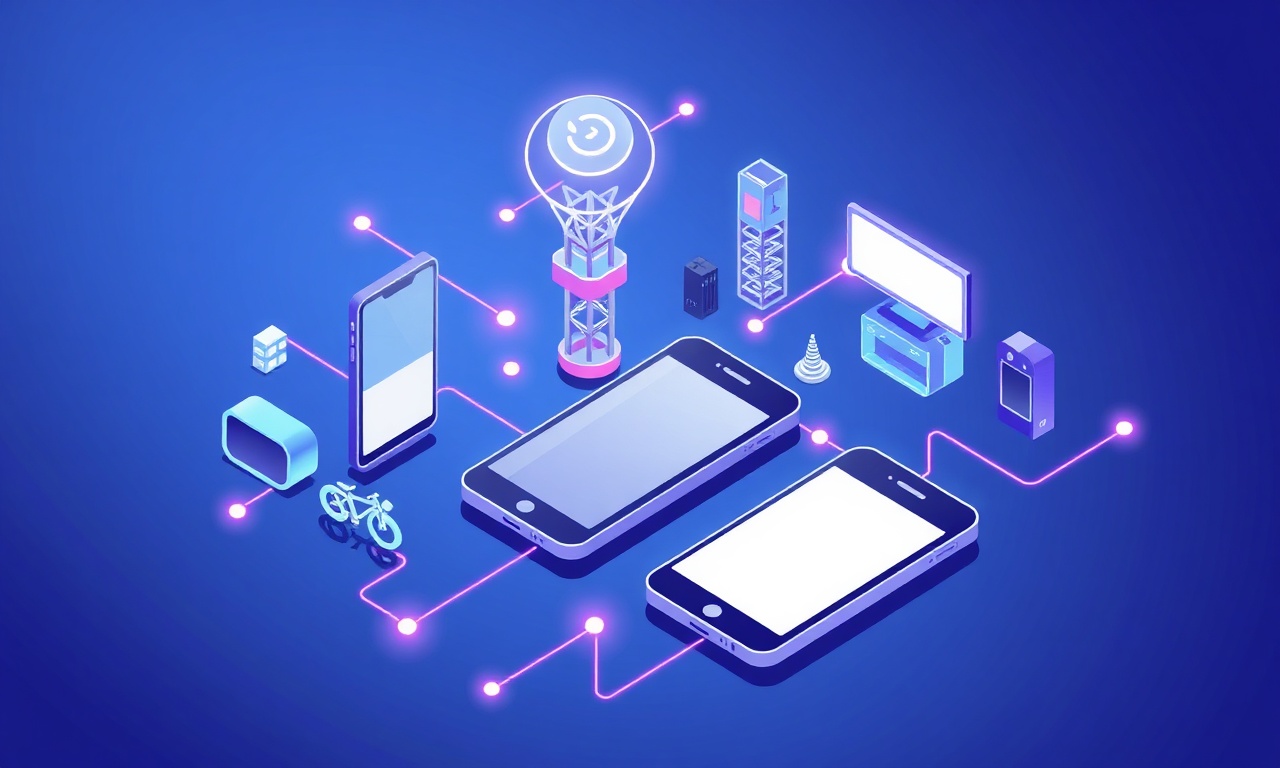
Phone number portability (PNP) is a fundamental feature in modern telecommunications, allowing users to retain their existing phone numbers while switching service providers or changing service types. Understanding the different types of portability—Mobile Number Portability (MNP), Fixed Number Portability (FNP), and VoIP Number Portability—is essential for both consumers and businesses seeking seamless communication continuity.
Mobile Number Portability (MNP)
Mobile Number Portability, commonly known as MNP, is the most widely recognized form of phone number portability. It enables mobile phone users to switch from one cellular provider to another without changing their phone number. This portability fosters competition among mobile network operators, giving consumers the freedom to choose better pricing, coverage, or services.
Technically, MNP involves transferring the mobile subscriber’s number from the donor network (current provider) to the recipient network (new provider). This process requires coordination between operators’ databases and network routing systems. When a call or SMS is initiated to a ported number, the network queries a centralized database to route the communication correctly to the current provider.
For services relying on SMS OTP (One-Time Password) verification, such as WhatsApp SMS OTP or Telegram SMS OTP, MNP ensures users can maintain their verified identities even after switching mobile carriers.
From a practical perspective, initiating MNP usually requires the user to submit a portability request to the new provider, often by generating a porting authorization code (PAC). The timeframe for completion varies by country but is generally completed within a few days. It’s important to note that while the number remains the same, the user’s service plans, network features, and coverage may change depending on the new mobile operator.
Fixed Number Portability (FNP)
Fixed Number Portability applies to traditional landline phone numbers. Similar to MNP, it allows customers to transfer their fixed telephone numbers between different fixed-line providers or even from a fixed-line provider to a mobile or VoIP service in some regions.
Technically, FNP requires coordination between the Public Switched Telephone Network (PSTN) operators. Because fixed-line numbers are often geographically tied to specific exchanges, portability here involves reassigning the routing of calls and updating switching systems to direct traffic to the new provider’s infrastructure.
Porting fixed line numbers to VoIP providers can unlock cost savings and flexible communication features, especially for businesses seeking cloud telephony solutions. Explore our services for VoIP integration options.
Practically, FNP may take longer than mobile number portability due to the legacy infrastructure involved. Users should verify with their providers about any potential service interruptions during the porting process. Additionally, some fixed numbers may have restrictions based on location or service type.
VoIP Number Portability
Voice over Internet Protocol (VoIP) number portability is a relatively newer but increasingly vital type of portability. VoIP services use internet protocols to deliver voice communications, and many providers offer virtual phone numbers that can be ported between VoIP platforms or from traditional carriers to VoIP.
On a technical level, porting VoIP numbers involves transferring the number’s assignment within databases that manage SIP (Session Initiation Protocol) routing and call control. Since VoIP numbers are not always tied to a physical location, portability here offers greater flexibility for users who want to maintain their numbers while switching providers or moving their communication infrastructure to the cloud.
For businesses leveraging virtual numbers like USA virtual numbers or UK virtual numbers, VoIP portability ensures continuity across platforms. This is especially useful for enterprises operating in multiple countries or requiring scalable communication solutions.
Practically, VoIP number portability enables users to avoid the inconvenience of notifying contacts about new numbers and prevents loss of business continuity. The porting process is similar to mobile and fixed line but may involve additional coordination to ensure compatibility with existing VoIP infrastructure or SIP trunks.
Summary of Portability Types
| Portability Type | Typical Use Case | Technical Considerations | Practical Notes |
|---|---|---|---|
| Mobile Number Portability (MNP) | Switching mobile carriers without changing number | Centralized routing database, PAC codes | Fast turnaround, supports SMS OTP services |
| Fixed Number Portability (FNP) | Changing fixed-line providers or to VoIP | PSTN routing updates, geographic constraints | Longer process, possible service interruptions |
| VoIP Number Portability | Moving between VoIP providers or from PSTN to VoIP | SIP routing, cloud infrastructure integration | Flexible, supports virtual and international numbers |
Understanding these types helps users and businesses select the right approach to maintain seamless communication. Whether you’re switching mobile carriers, migrating fixed lines, or adopting cloud telephony solutions, phone number portability ensures your number stays with you. For developers and businesses integrating phone verification and messaging, check our API documentation and API playground to learn how portability impacts number validation and routing workflows.
How Phone Number Portability Works: Technical Process Overview

Phone Number Portability (PNP) allows subscribers to retain their existing phone numbers when switching from one telecommunications provider to another. While this may appear seamless to end users, the underlying technical process involves a complex sequence of signaling, database updates, and routing changes that ensure calls and messages reach the correct destination regardless of the original network.
At its core, the technical workflow of phone number portability revolves around the interaction between multiple network elements, centralized databases, and signaling protocols. Understanding this process requires exploring how these components collaborate to maintain accurate routing information and enable uninterrupted service.
- Step 1 — Porting Request InitiationThe subscriber submits a porting request to the new service provider. This request includes the phone number to be ported and necessary authorization details. The new provider initiates the process by communicating with the donor (current) provider and the relevant Number Portability Administration Center (NPAC) or equivalent database authority.
- Step 2 — Validation and ApprovalThe NPAC verifies the request against existing records to ensure the number is eligible for porting and that the subscriber has authorized the transfer. Upon successful validation, the NPAC updates its centralized database to reflect the new service provider as the current owner of the number.
- Step 3 — Routing Database UpdateOnce the NPAC confirms the port, it propagates updated routing information to all participating carriers and network elements. This includes updating Local Number Portability (LNP) databases used by service providers for call routing and message delivery.
- Step 4 — Network Signaling AdjustmentsTelecom switches and signaling points update their routing tables and signaling mechanisms (such as SS7 or SIP signaling) to direct calls and messages to the new provider’s network. This ensures that when someone dials the ported number, the call is correctly routed to the subscriber's new network without interruption.
- Step 5 — Service Activation and TestingThe new provider activates the subscriber’s service on their network. Test calls and messages are often performed to verify correct routing and service functionality. The donor provider disables service to the ported number to avoid conflicts.
The process relies heavily on centralized Number Portability databases (e.g., NPAC in the US), signaling protocols like SS7 and SIP, and dynamic routing tables in telecom switches to maintain call and message integrity during and after porting.
One of the critical technical challenges in phone number portability is minimizing latency and avoiding call routing failures during the transition period. To address this, networks often implement “dip” queries where the originating switch consults the LNP database in real-time to determine the current routing destination for a dialed number. This dynamic lookup ensures that calls and SMS messages are always routed based on the most recent porting status.
For developers integrating phone verification or messaging services, understanding number portability is vital. Using APIs from providers that maintain up-to-date routing information—like those documented in our API documentation—helps ensure OTPs and messages reach users regardless of their current carrier.
In practical terms, the porting process is designed to be transparent to end users. However, businesses utilizing SMS OTP (one-time password) verification or voice services must be aware of how portability can impact message delivery times or routing. Choosing services that integrate with reliable number portability databases can mitigate risks of delays or failed verifications.
Moreover, the portability process differs slightly across countries due to regulatory frameworks and infrastructure differences. For example, in the United States, the NPAC database managed by a centralized administrator coordinates porting between carriers, whereas other countries may use distributed or regional databases. Understanding these nuances is important when deploying global phone number verification or messaging solutions.
In summary, phone number portability involves a coordinated technical workflow:
This process ensures that calls, text messages, and verification codes—whether from platforms like WhatsApp, Telegram, or Google SMS OTP services—are accurately routed to the subscriber’s new network without interruption. For businesses relying on phone-based authentication or communication services, partnering with providers who handle number portability intricacies transparently can improve reliability and user experience.
Role of Centralized Databases and Porting Queries in Number Portability
Number portability, the ability to retain a phone number when switching service providers, hinges on the efficient management and coordination of complex data. Centralized databases play a pivotal role in this ecosystem by acting as authoritative repositories of ported number information. These databases maintain updated records of which numbers belong to which carriers, enabling seamless verification and routing of calls and messages.
At its core, a centralized number portability database consolidates data from all participating telecom operators within a geographic region or country. When a user requests to port their number, the new carrier submits a porting query to this database. The centralized system then validates the request, checks the number's current status, and updates the records accordingly. This process ensures that the ported number can be correctly routed to the new provider, avoiding disruptions or misdirected communications.
By serving as a single source of truth, centralized databases reduce the complexity of managing ported numbers across multiple carriers. They minimize errors, speed up verification processes, and support real-time query responses essential for modern telecommunication services.
Technically, these centralized repositories operate through standardized protocols and interfaces that allow carriers to submit porting queries and receive responses efficiently. For example, when a call or SMS is initiated, the originating network queries the centralized database to determine the current carrier of the dialed number. This query response informs routing decisions, ensuring the communication reaches the correct destination regardless of the number's original carrier.
This mechanism is crucial not only for traditional voice calls but also for services like SMS one-time password (OTP) verification. Platforms offering Google SMS OTP verification or WhatsApp SMS OTP verification rely on accurate routing information to deliver messages promptly and securely. Without centralized databases, OTP messages might be delayed or lost if the number’s current carrier is unknown.
Integrating your application with APIs that access centralized number portability databases can dramatically improve the accuracy of phone number verification and reduce fraud risks.
From a practical standpoint, centralized databases simplify the porting process for consumers and carriers alike. Instead of carriers maintaining individual, often inconsistent records, the centralized system ensures all parties reference the same up-to-date data. This reduces porting timeframes and errors, improving customer experience.
Moreover, centralized databases support regulatory compliance by providing transparent and auditable records of porting activities. Regulators can monitor porting trends, detect anomalies, and enforce rules that protect consumer rights.
In addition, centralized number portability databases facilitate interoperability between various verification services. For instance, if your application uses multiple verification channels such as Telegram or Google SMS OTP, having access to consistent porting data ensures that all verification attempts target the correct network, regardless of the user's current carrier. This integration can be explored further in our API documentation and tested via the API playground.
In summary, centralized databases and porting queries form the backbone of the number portability infrastructure. They provide the essential data coordination that underpins accurate verification, efficient routing, and smooth porting transactions. For businesses and developers leveraging phone number verification services, understanding and utilizing these centralized systems is key to delivering reliable and user-friendly communication experiences.
Step-by-Step Guide to Porting Your Phone Number

Porting your phone number to a new carrier is a straightforward process, but it requires careful attention to detail to ensure a smooth transition without service interruption. This step-by-step guide will walk you through the essential actions to successfully request and complete number portability, whether you're switching from a traditional provider or moving to a virtual number service.
- Step 1 — Verify Your EligibilityBefore initiating the porting process, confirm that your current number is eligible for transfer. Typically, mobile and landline numbers can be ported within the same country. Check with your current provider or consult resources like the USA virtual number page if you are porting within the United States.
- Step 2 — Gather Required InformationYou will need to provide specific details to your new carrier to request the port. This usually includes your current phone number, account number, account holder’s name, billing address, and a PIN or password if applicable. Having accurate information prevents delays.
- Step 3 — Submit the Porting RequestContact your new service provider to submit the porting request. Many carriers offer online forms or customer support channels for this purpose. For developers integrating phone verification features, check out the API documentation for automated workflows related to number verification during porting.
- Step 4 — Await Confirmation and ApprovalAfter submitting the request, the new carrier will contact your old provider to authorize the port. This process can take from a few hours up to several days depending on the carriers involved. Keep an eye on any messages or emails for status updates.
- Step 5 — Activate Your New ServiceOnce the port is approved, your new carrier will notify you to activate your service. This may involve inserting a new SIM card or updating your device settings. Confirm that calls, SMS, and data work properly. For enhanced security during this phase, consider using phone number verification services such as WhatsApp SMS OTP or Telegram SMS OTP.
- Step 6 — Cancel Old Service if NeededIn most cases, your old carrier will automatically cancel your service once the port completes. However, verify this to avoid unexpected charges. If managing multiple numbers or virtual lines, explore options on the Services page for managing number lifecycle efficiently.
Keep your current phone active and do not cancel your existing service before the port completes. Premature cancellation can cause loss of your phone number and disrupt the porting process.
Number portability is regulated by telecommunications authorities to protect consumers’ rights to keep their numbers. Processing times and rules may vary by country, so always check local regulations if you’re porting internationally or using specialized virtual numbers like those found on the India virtual number page.
Following this guide carefully will help you retain your phone number without interruption and enjoy your new provider's services. If you’re a developer or business integrating phone number portability with verification, check out our API playground for hands-on experience with porting-related verification workflows.
Common Challenges and How to Troubleshoot Porting Issues

Phone number portability is a valuable service that allows users to retain their existing numbers when switching carriers or service providers. However, the porting process can encounter various challenges that delay or complicate the transition. Understanding these common obstacles and knowing how to troubleshoot them effectively can ensure a smooth experience for both service providers and end-users.
One of the most frequent causes of porting delays is inaccurate or missing data such as account numbers, PINs, or subscriber details. Even minor discrepancies in spelling or formatting can halt the process.
Troubleshooting tip: Double-check all submitted information against the current carrier’s records. Using automated verification tools integrated into your API can help validate user input before submission, reducing human error. Encouraging customers to provide exact account details and verifying them through your app interface can also minimize mistakes.
Certain carriers impose restrictions on porting numbers, such as outstanding balances or contract obligations. These restrictions can cause porting requests to be rejected.
How to resolve: Inform users upfront about potential carrier-specific limitations. Integrate checks in your workflow to detect such restrictions early. If a porting request is rejected, communicate clearly to the user what action is needed, such as settling unpaid bills or completing contract terms.
Leverage virtual number services like USA Virtual Number or UK Virtual Number to provide fallback options during porting delays, ensuring uninterrupted service for your users.
Challenge 2: Delays Caused by Carrier Processing Times. Porting timelines can vary widely depending on the carriers involved and the regional regulatory environment. Some carriers may take several days to confirm and complete the porting process, leading to service interruptions or user frustration.
Practical solution: Set realistic expectations with users by communicating estimated porting timelines. Implement automated status tracking within your system to monitor progress in real time. This transparency reduces support inquiries and builds trust. For developers, integrating status callbacks from porting APIs can automate these updates effectively.
During the porting process, the number may become temporarily unavailable or “frozen,” causing missed calls or verification SMS failures. This is especially critical for platforms relying on phone number verification like SMSVerifier.
Troubleshooting strategy: To mitigate this, implement multi-channel verification methods such as combining SMS with WhatsApp or Telegram verification services. For example, leveraging our WhatsApp SMS OTP verification can provide alternative communication channels during porting freezes. Additionally, notify users ahead of time about possible temporary disruptions and encourage them to avoid initiating sensitive transactions during the porting window.
Use the API Playground to simulate porting scenarios and test how your verification flows handle number unavailability or delays, ensuring your system remains robust under real-world conditions.
Challenge 4: Regulatory and Compliance Issues. Different countries have varying regulations governing number portability, which can introduce complexity, especially for global services.
Best practice: Familiarize yourself with local laws and carrier policies in your target regions. For example, if you operate in Germany or India, consult resources related to Germany Virtual Number or India Virtual Number services to ensure compliance. Partnering with experienced local providers can ease regulatory hurdles and improve porting success rates.
Integrating porting workflows with internal systems like CRMs or customer support platforms can be complex. Data synchronization issues may cause mismatches or delays in updating user status.
How to troubleshoot: Adopt standardized APIs and webhooks to keep all systems updated in real time. Regular audits and reconciliation processes can catch inconsistencies early. Using modular and documented APIs like those found in our API documentation simplifies integration and reduces errors.
By anticipating these common challenges and implementing practical solutions, businesses can greatly improve their number portability success rates. Whether you are a developer integrating phone verification or a service provider managing user transitions, understanding these obstacles and having troubleshooting strategies at hand is essential.
Cost Structure and Fees Associated with Number Portability

Number portability allows consumers to retain their existing phone numbers when switching service providers, promoting competition and user convenience. However, this convenience involves a variety of costs and fees that affect both consumers and providers. Understanding the cost structure behind number portability helps clarify how charges are applied and why some fees may appear on your bill or impact service providers' pricing models.
Basic Cost Components for Consumers
For the end-user, number portability is often advertised as a free or low-cost service. However, in practice, some providers may impose fees related to the porting process. These costs can include:
- Porting Fee: A one-time charge applied by the gaining carrier to cover administrative and technical expenses involved in transferring the number. This fee varies by region and carrier policies.
- Activation Fees: Some providers may charge activation fees for setting up service on the new network, which can be bundled with the porting process.
- Early Termination Fees: While not a direct porting cost, consumers switching providers to port their numbers may face early termination fees from their previous contract.
Many regulators encourage or mandate free number portability to protect consumer interests. Always check your provider’s policies or local regulations to understand if any fees apply.
Technical and Operational Costs for Providers
Behind the scenes, telephone companies and mobile network operators incur several costs when processing number portability requests. These include:
- Database Management: Maintaining and updating centralized number portability databases requires continuous investment. These databases ensure routing of calls and messages to the correct network post-porting.
- Interconnection and Routing Fees: During and after the porting process, carriers must manage call routing between different networks, which may involve inter-carrier charges.
- Verification and Validation: Providers must authenticate porting requests to prevent fraud and errors, involving additional operational overhead.
- Customer Support and Processing: Handling porting requests, troubleshooting, and coordination with other carriers requires dedicated staff and systems.
These technical and operational costs are typically recouped through fees charged to the gaining carrier by the losing carrier or through regulatory cost-sharing mechanisms.
Fee Structures and Regulatory Influence
The exact fee structures vary significantly by country and regulatory environment. For example:
- Fixed Porting Fees: Some countries impose a fixed fee per porting transaction to cover administrative costs.
- Cost-Based Fees: Fees calculated based on actual costs incurred during porting, including database updates and network routing.
- Fee-Free Policies: In some regions, regulators mandate free number portability to eliminate financial barriers for consumers.
Providers often publish their porting fees on their official pricing pages, and businesses leveraging phone numbers for services—such as SMS verification—may consider these fees when selecting virtual or real numbers. For example, integrating with services like our API documentation can help automate number management while accounting for any portability fees.
Practical Considerations for Businesses
For enterprises using phone numbers for verification or communication, understanding portability costs is crucial. Porting a number from one provider to another can impact ongoing costs and service continuity. When using virtual numbers or platforms that offer SMS OTP services—such as WhatsApp or Telegram integrations—it's important to factor in any porting fees and potential downtime.
When planning number portability, request a detailed cost breakdown from your current and prospective providers. This helps avoid unexpected fees and ensures smooth transition of your phone numbers.
Summary of Typical Porting Fees
| Fee Type | Charged By | Typical Range | Notes |
|---|---|---|---|
| Porting Fee | Gaining Carrier | $0 - $5 (varies by region) | May be waived in regulated markets |
| Activation Fee | Gaining Carrier | $0 - $20 | Sometimes bundled with porting |
| Database Access Fee | Number Portability Database Operator | Nominal per transaction | Usually internal cost for carriers |
| Routing/Interconnection Fee | Losing Carrier | Varies | Part of ongoing call routing costs |
In conclusion, the cost structure of number portability involves multiple stakeholders and fee types. While consumers often experience minimal direct charges, providers manage a complex set of operational expenses that influence pricing strategies. For businesses and developers integrating phone number services, understanding these fees is essential to optimize communication workflows and manage budgets effectively. Explore our services and API tools to streamline number management with transparency in costs and processes.
Legal and Regulatory Frameworks Governing Phone Number Portability
Phone number portability (PNP) is not simply a technical feature but a regulated service governed by complex legal and regulatory frameworks worldwide. These frameworks ensure that consumers can retain their telephone numbers when switching service providers, fostering competition and consumer choice while maintaining network integrity and security. Understanding these regulations is crucial for telecom operators, service providers, and businesses leveraging phone numbers for verification and communication services.
At a fundamental level, phone number portability laws mandate telecom operators to allow users to port their numbers within specified timeframes and with minimal disruption. These laws vary by country but typically include provisions for:
- Porting timelines: The maximum allowable time to complete a port request, often ranging from a few hours to a few days.
- Fees and costs: Regulatory caps or guidelines on charges that can be levied for porting services.
- Consumer protection: Rules to prevent unauthorized number porting and ensure transparent communication throughout the process.
- Technical standards: Specifications for interoperability and data exchange between incumbent and recipient operators.
For example, in the United States, the Federal Communications Commission (FCC) oversees number portability under the Communications Act, requiring operators to enable porting within one business day. Similarly, the European Union's regulatory framework enforces number portability directives across member states, promoting harmonized timelines and procedures.
While most regulations focus on mobile and fixed-line telephony, the rise of VoIP and virtual number services—such as those offered through platforms like USA virtual numbers or UK virtual numbers—has prompted regulators to extend portability rules to these services as well.
On a technical level, compliance with portability regulations requires robust systems for identity verification and data validation during the porting process. This is especially critical to prevent fraudulent porting attempts, which can result in unauthorized access to a user’s communications or financial accounts. Regulatory bodies often mandate multi-factor authentication and secure data transmission protocols to mitigate these risks.
Failure to adhere to portability regulations can lead to fines, service suspensions, and reputational damage for operators. Ensuring compliance requires continuous monitoring of evolving legal requirements and adapting backend systems accordingly.
For businesses integrating phone number verification services, such as SMS OTP verification via platforms like Google SMS OTP or Telegram SMS OTP, understanding these regulatory frameworks is vital. Phone number portability affects the accuracy and reliability of verification processes, especially when users switch carriers or countries.
Integrate APIs that support real-time portability status checks and number validation to stay compliant and enhance user experience. Refer to our API documentation for seamless integration options.
Globally, regulatory authorities also coordinate through international bodies like the International Telecommunication Union (ITU) to standardize portability principles, though national laws ultimately govern implementation specifics. This international cooperation helps facilitate cross-border number portability initiatives and supports global telecom interoperability.
- Step 1 — Regulatory NotificationConsumers or operators notify the relevant regulatory authority of porting requests as required by law.
- Step 2 — Verification and ConsentOperators verify user identity and obtain consent to prevent unauthorized ports.
- Step 3 — Porting ExecutionThe number is transferred between operators within mandated timeframes.
- Step 4 — Confirmation and ActivationUsers receive confirmation, and the number is activated on the new network.
In conclusion, navigating the legal and regulatory frameworks governing phone number portability requires a comprehensive understanding of both the consumer protection imperatives and the technical requirements imposed by regulators. For operators and businesses alike, compliance is essential not only to avoid penalties but also to maintain trust and operational excellence in a competitive telecommunications landscape.
Best Practices for Service Providers to Facilitate Smooth Porting
Phone number portability is a critical feature for modern telecom customers, allowing them to switch providers without losing their existing number. For service providers, facilitating a smooth porting experience is essential to maintain customer satisfaction and comply with regulatory requirements. Implementing best practices not only reduces operational bottlenecks but also strengthens brand trust and reduces churn.
At the core, smooth porting depends on clear communication, robust technical integration, and proactive customer support. Below, we outline a set of guidelines and strategies that telecom providers should adopt to streamline the portability process.
Automate Porting Requests
Manual handling of porting requests increases the risk of errors and delays. Implementing automated systems that interface directly with national or regional number portability databases ensures timely validation and processing. This reduces turnaround times and improves accuracy.
Centralize Customer Data Management
Maintain an up-to-date centralized database of customer information and porting status. This helps in tracking each request’s progress and quickly resolving discrepancies. Integration with your API can enable real-time updates and seamless workflows.
Ensure Regulatory Compliance
Porting processes are often governed by strict regulations, including timelines for approval and notification. Providers should stay informed about local rules and ensure their systems and staff comply to avoid penalties and service disruptions.
From a technical perspective, interoperability with external systems is vital. Service providers should establish secure, standardized interfaces with other operators and number portability databases. Leveraging APIs and automated workflows can help reduce manual intervention and speed up the process.
Utilize SMS verification services like Google SMS OTP or WhatsApp SMS OTP to authenticate porting requests securely and reduce fraud risks.
Customer communication is another cornerstone of smooth porting. Providers should inform customers clearly about the porting steps, expected timelines, and potential service interruptions. Providing self-service portals or apps where customers can track their porting requests enhances transparency and trust.
Operationally, training frontline staff to handle porting inquiries and exceptions promptly can mitigate customer frustration. Establishing escalation protocols for stalled or rejected porting requests ensures swift resolution.
- Step 1 — Validate Customer EligibilityConfirm the customer's identity and number ownership using robust verification methods.
- Step 2 — Submit Porting RequestSend the request to the donor provider and number portability database through automated channels.
- Step 3 — Monitor Porting StatusTrack the process in real-time and notify customers of any updates or issues.
- Step 4 — Complete PortingActivate the number on the new network and confirm service continuity to the customer.
Finally, providers should continuously analyze porting data to identify patterns of delays or failures and implement improvements. Partnering with trusted service providers for number verification and SMS OTP solutions can help optimize these workflows. For example, integrating with reliable virtual number services such as our USA virtual number or India virtual number offerings can support international porting scenarios.
By automating workflows, ensuring compliance, leveraging secure verification, and maintaining transparent customer communication, service providers can facilitate a seamless number portability experience that benefits both customers and operational teams.
Advanced Porting Technologies and Future Trends
Phone number portability has evolved significantly from its inception, and the future promises even more transformative changes powered by advanced technologies. These innovations aim to streamline the porting process, enhance security, reduce downtime, and provide seamless user experiences across global telecommunication networks. Understanding these emerging trends is essential for businesses and consumers who rely on reliable and flexible communication services.
Blockchain for Secure and Transparent Porting
One of the most promising technologies reshaping number portability is blockchain. By leveraging decentralized ledgers, blockchain can create a tamper-proof, transparent record of porting requests and approvals. This reduces the risk of fraud, unauthorized porting, and administrative errors. Each step of the porting process can be securely logged, allowing stakeholders to audit transactions in real time and verify the authenticity of requests.
Practically, blockchain-enabled porting can speed up the transfer of numbers between operators by eliminating intermediaries and automating verification through smart contracts. This also aligns with growing regulatory demands for accountability and data protection. Telecom providers integrating blockchain solutions are likely to offer more reliable and customer-trustworthy porting services.
AI and Machine Learning for Predictive Porting Management
Artificial intelligence (AI) and machine learning (ML) are being used to analyze vast datasets generated by porting operations. These technologies can predict potential bottlenecks, optimize routing decisions, and identify fraudulent activities before they impact users.
For example, AI models can forecast peak porting periods and automatically allocate network resources to minimize downtime. Additionally, machine learning algorithms can detect anomalies in porting requests—such as suspicious patterns or mismatched data—triggering alerts to prevent number theft or unauthorized transfers.
Implementing AI-driven porting systems can significantly reduce manual intervention and errors, improving efficiency and customer satisfaction.
Cloud-Native Porting Platforms
Cloud computing continues to revolutionize telecommunications infrastructure. Cloud-native porting platforms offer scalability, resilience, and rapid deployment capabilities that traditional legacy systems lack. By hosting porting services in the cloud, operators can integrate with multiple third-party systems and virtual number providers—such as those offering USA virtual numbers or India virtual numbers—with greater flexibility and speed.
This approach also facilitates the development of APIs and self-service portals, enabling enterprises to manage number porting programmatically. For instance, integrating phone number verification services like Google SMS OTP or Telegram SMS OTP can be streamlined within these platforms, enhancing security and user authentication during porting.
Number Portability in 5G and Beyond
The rollout of 5G networks introduces new challenges and opportunities for number portability. Unlike earlier generations, 5G supports network slicing and ultra-low latency applications, requiring more dynamic and real-time porting capabilities.
Future porting technologies will likely integrate directly with 5G core network functions, allowing instant number transfers without service interruption. This is critical for emerging IoT applications, autonomous vehicles, and mission-critical communications where downtime is unacceptable.
Businesses leveraging 5G should monitor developments in network slicing-compatible porting solutions to maintain seamless connectivity and service continuity.
Regulatory and Standardization Advances
As number portability grows more complex with new technologies, regulatory bodies and industry consortiums are working towards harmonized standards. These efforts focus on unified porting protocols, data privacy protections, and cross-border portability frameworks.
Standardization will facilitate interoperability between operators worldwide, ensuring users can retain their numbers regardless of geographic or service provider changes. It also encourages innovation by providing clear guidelines for developers building porting-related APIs and platforms. For more on integrating third-party services securely, see our API documentation.
Practical Implications for Businesses and Consumers
Advanced porting technologies will reduce the friction traditionally associated with number transfers, leading to faster onboarding and improved customer retention. Businesses can benefit from automated workflows, enhanced fraud prevention, and better analytics to manage their communication assets.
Consumers will enjoy greater control over their numbers with less downtime and more transparent processes. Additionally, the integration of next-gen verification methods—such as SMS OTP services offered via platforms like WhatsApp—will strengthen authentication during porting, reducing risks of unauthorized transfers.
Enhanced Security
Blockchain and AI technologies fortify porting processes against fraud and unauthorized access.
Faster Porting
Cloud-native platforms and 5G integration enable near-instantaneous number transfers with minimal disruption.
Global Interoperability
Emerging standards promote seamless portability across countries and networks.
In conclusion, the future of phone number portability is being shaped by a convergence of innovative technologies that promise to make the process more secure, efficient, and user-friendly. Staying informed about these trends will empower organizations and individuals to leverage the full potential of number portability in an increasingly connected world.
Comparison of Global Portability Standards and Implementation Models
Phone number portability (PNP) is a critical feature in telecommunications that empowers consumers to retain their phone numbers when switching service providers. However, the standards and implementation models for PNP vary widely across different countries and regions, influenced by regulatory frameworks, technological infrastructure, and market dynamics. This section provides a thorough comparison of global portability standards and how they are practically executed, focusing on basic, technical, and operational perspectives.
Fundamental Approaches to Portability
At the core, phone number portability is designed to increase competition and consumer choice by enabling seamless switching of carriers without losing a phone number. Globally, two main models dominate:
- Recipient-Led Portability (RLP): The new service provider initiates and manages the porting process. This model is common in North America and parts of Europe.
- Donor-Led Portability (DLP): The current service provider controls the porting process, often requiring customer authorization before releasing the number. This is more prevalent in some Asian and African countries.
Consumers generally experience portability as a simple request to keep their number when switching carriers, but the behind-the-scenes process can vary depending on the country’s regulatory and technical setup.
Regional Variations in Standards and Execution
North America (United States and Canada)
In the United States, portability is regulated by the Federal Communications Commission (FCC), which mandates a recipient-led model with strict timeframes, typically requiring port completion within one business day. The Number Portability Administration Center (NPAC) facilitates the process through a centralized database system. This centralized approach ensures consistency and speed in porting requests, reducing downtime for consumers.
Canada follows a similar model with the Canadian Numbering Administrator overseeing portability, relying on a centralized clearinghouse to coordinate between carriers. The process is also recipient-led, ensuring minimal delays and high transparency.
Europe
European countries generally adhere to guidelines from the European Electronic Communications Code (EECC), which promotes recipient-led portability with standardized maximum porting times—usually within one working day. The European model emphasizes consumer protection and interoperability among operators. Some countries employ a centralized database similar to North America, while others use decentralized coordination depending on their national regulatory authority.
Asia-Pacific
Asia exhibits a diverse range of implementations. Countries like India have adopted a centralized database model managed by the Telecom Regulatory Authority of India (TRAI), with a recipient-led process and porting times ranging from a few hours to a couple of days. Conversely, in countries like Japan and South Korea, the donor-led model is more common, requiring more interaction between consumers and their existing providers. Porting times here can be longer, reflecting differing regulatory priorities.
Latin America
Latin American countries often follow regional standards influenced by the Inter-American Telecommunication Commission (CITEL). Most nations use recipient-led models with centralized or semi-centralized databases, but porting times and procedural complexity vary. For example, Brazil has a well-established centralized system with rapid porting capabilities, while smaller countries may have more fragmented implementations.
Africa and Middle East
The implementation of portability in Africa and the Middle East is uneven. South Africa and the UAE have relatively mature recipient-led systems with centralized coordination, enabling fast and reliable porting. In contrast, many other countries are still developing infrastructure and regulatory frameworks, with donor-led models and longer porting times prevailing.
For businesses and developers integrating phone verification services, understanding the local portability model is crucial. Services like WhatsApp SMS OTP verification and Google SMS OTP verification may behave differently depending on how quickly a number ports and the underlying carrier infrastructure.
Technical Implementation Models
From a technical viewpoint, portability involves complex coordination between carriers, databases, and regulatory bodies. There are three primary implementation architectures:
- Centralized Database Model: A single national or regional database holds ported number records, accessible to all carriers. This model, used in the US, Canada, India, and Brazil, simplifies lookup and routing but requires robust security and uptime.
- Decentralized Query Model: Carriers maintain their own databases and respond to porting queries in real-time. This model is more common in Europe and parts of Asia and requires sophisticated inter-carrier communication protocols.
- Hybrid Model: Combines elements of both, with regional hubs or clearinghouses that coordinate carrier data exchanges. This approach balances efficiency and flexibility and is seen in some Middle Eastern and African nations.
Practical Considerations for Users and Service Providers
For consumers, the main practical difference lies in porting speed and ease of switching providers. Countries with recipient-led, centralized models generally offer faster porting times and less hassle. In contrast, donor-led models may involve more steps and longer wait periods.
Service providers and platform developers must adapt their systems to these regional differences. For instance, integrating APIs for number verification or virtual numbers—such as those offered in the US, UK, or Germany—requires awareness of porting delays and potential number status changes.
Porting processes often involve Number Portability Databases (NPDBs) and signaling protocols like SS7 or SIP to reroute calls and messages correctly after a number has been ported.
Understanding these global differences is essential for anyone leveraging phone number verification or portability-dependent services. For more details on integrating with specific telecommunication APIs and services, refer to our API documentation and API playground.
Frequently asked questions
What is phone number portability?
How long does the porting process usually take?
Are there any costs associated with porting my number?
Can I port my number from mobile to fixed line or VoIP?
What technical systems ensure a successful port?
What should I do if my porting request is delayed or rejected?
Does number portability affect my phone service or coverage?
Are there any legal protections for consumers during porting?
Can I port my number internationally?
How do providers prevent fraud during the porting process?
What future technologies could improve number portability?
Get started with SMSVerifier
Buy your first virtual phone number in under 60 seconds — pay as you go from $0.20 per SMS.
Create free account