eSIM and Digital SIM verification are distinct technologies used to confirm mobile identity through embedded or software-based SIMs. This article compares their technical foundations, security features, and practical uses to help users and businesses choose the right verification method.
Defining eSIM and Digital SIM Verification: Core Concepts Explained
In the evolving landscape of mobile telecommunications, eSIM and Digital SIM verification have emerged as pivotal technologies for confirming mobile identities. While they sound similar, these concepts have distinct technical foundations and practical applications that influence how users and businesses authenticate devices and phone numbers.
At its core, eSIM (Embedded SIM) is a programmable SIM chip soldered directly onto a device’s motherboard, eliminating the need for physical SIM cards. This embedded module securely stores multiple carrier profiles and enables remote provisioning, allowing users to switch carriers or plans without swapping physical cards. eSIM verification, therefore, involves confirming the authenticity and activation status of these embedded profiles through secure carrier and device interactions.
Conversely, Digital SIM refers more broadly to the concept of SIM information existing and operating entirely in a digital or virtual format. This often overlaps with eSIM technology but extends to any SIM-related data that can be managed or verified without a traditional physical SIM card — including cloud-based SIM services or virtual SIM numbers used primarily for verification purposes. Digital SIM verification validates that a virtual number or profile corresponds to a legitimate mobile identity.
eSIM is the hardware-level embedded chip technology enabling remote SIM profile management, while Digital SIM verification covers a wider scope of virtual SIM profiles and phone numbers used for identity confirmation.
From a technical perspective, eSIM verification requires interaction with the device’s secure element and carrier network. When a device connects to a network, the embedded SIM profile undergoes cryptographic authentication using unique keys provisioned by the mobile operator. This process ensures the device’s SIM profile is genuine, authorized, and active. Verification may include checking the International Mobile Subscriber Identity (IMSI), subscription status, and profile integrity.
Digital SIM verification, on the other hand, often involves validating a virtual phone number or profile through external APIs and services that confirm the number’s existence, ownership, and operational status. This is especially relevant in contexts such as two-factor authentication (2FA), where services need to verify a user’s phone number without relying on physical SIM cards. Providers like WhatsApp SMS OTP verification or Telegram SMS OTP verification leverage such digital SIM verification methods to securely authenticate users.
When implementing mobile identity verification, understanding whether you’re verifying an eSIM profile tied to hardware or a digital SIM number in the cloud helps tailor your verification workflow and choose the right API services.
Practically, these verification methods serve different use cases. eSIM verification is critical for device manufacturers, carriers, and enterprises managing device fleets, ensuring that embedded SIMs are legitimate and tied to authorized accounts. This reduces fraud, unauthorized access, and SIM swapping attacks.
Digital SIM verification is widely used by online platforms, financial services, and communication apps to confirm user identities during sign-up or login processes. It enables seamless user experiences without requiring physical SIM cards, supports virtual numbers from services like USA virtual numbers or UK virtual numbers, and facilitates global reach for verification workflows.
Understanding these verification mechanisms is essential for businesses seeking to enhance security and user trust in mobile communications. Whether you are a developer integrating phone number verification into your app or a network operator managing device profiles, distinguishing between eSIM and Digital SIM verification helps optimize your security posture and user experience.
Technical Architecture of eSIM Verification: Embedded SIM Technology

The embedded SIM, or eSIM, represents a significant evolution from traditional physical SIM cards by integrating the SIM hardware directly into a device’s circuitry. This embedded architecture enables devices to securely store multiple operator profiles and switch between them without requiring physical SIM swaps. Understanding the technical architecture of eSIM verification involves exploring both the embedded hardware components and the layered software frameworks that work together to authenticate and activate cellular service.
At its core, the eSIM consists of a dedicated secure element (SE) chip embedded within the device’s motherboard. This secure element is a tamper-resistant hardware module designed to securely store operator credentials, cryptographic keys, and subscription profiles. Unlike conventional SIM cards, the eSIM’s secure element is not removable and provides a higher level of protection against cloning and unauthorized access.
Verification on the device level starts with the eSIM manager software, which operates within the device’s operating system to handle profile management and connectivity. This software interfaces with the secure element using standardized protocols defined by the GSMA’s Remote SIM Provisioning (RSP) specifications. The RSP architecture enables remote downloading, enabling, disabling, and deletion of operator profiles over-the-air (OTA), thus eliminating the need for physical SIM card distribution.
The eSIM’s embedded secure element is the hardware foundation that ensures cryptographic security and tamper resistance for all stored profiles, enabling safe authentication with mobile networks.
From a network perspective, the verification process involves a secure exchange between the device and the mobile network operator’s Subscription Manager (SM). The SM is a backend platform responsible for managing eSIM profiles remotely. When a user requests activation, the SM authenticates the device’s eSIM and securely provisions the operator profile using encrypted channels. This two-way authentication confirms that the device is authorized and that the profile data remains confidential and unaltered during transmission.
Remote SIM Provisioning leverages multiple security layers, including mutual authentication, encryption, and integrity checks. The device’s eSIM and the SM use cryptographic keys to validate each other’s identities before any profile data is downloaded or activated. This process also involves verifying the profile’s integrity using digital signatures, ensuring the profile hasn’t been tampered with during transit.
For developers integrating eSIM verification into applications or services, leveraging APIs compliant with GSMA’s RSP standards ensures compatibility across devices and networks. Check out our API documentation and API playground to explore ready-to-use endpoints that facilitate remote profile management and verification workflows.
Once the profile is securely installed on the eSIM, the device initiates network registration by sending authentication requests to the mobile operator’s core network. This step involves standard cellular authentication protocols such as AKA (Authentication and Key Agreement), where the operator’s authentication center verifies the credentials stored in the eSIM. Successful authentication allows the device to connect to the network and begin transmitting data or voice traffic.
Because the eSIM supports multiple profiles, the device’s eSIM manager can switch between different operator profiles seamlessly, enabling users to choose between carriers or plans without physical SIM replacements. This flexibility introduces new possibilities for global roaming and multi-operator scenarios, where verification must dynamically support multiple authentication contexts.
On a practical level, the embedded architecture and remote provisioning capabilities of eSIM reduce logistical challenges in SIM distribution and enable faster deployment of verified mobile services. For businesses or developers seeking to implement or verify eSIM functionality, understanding this layered architecture is essential, especially when integrating with verification services like SMS OTP or phone number verification. Our platform supports verification workflows compatible with eSIM-enabled devices, ensuring seamless user onboarding regardless of the underlying SIM technology.
For example, when using verification services such as Google SMS OTP verification or WhatsApp SMS OTP verification, the eSIM’s secure and flexible profile management complements these services by providing a reliable, device-level identity anchor. This synergy enhances security and user experience in multi-factor authentication scenarios.
Technical Architecture of Digital SIM Verification: Software-Based SIM Models

Digital SIM verification is fundamentally a software-driven process that leverages the virtualization of SIM profiles, enabling seamless identity and subscription management without the need for a physical card. Unlike traditional SIM cards that rely on hardware inserted into a device, Digital SIMs—often synonymous with eSIMs—operate by storing SIM credentials and authentication data within the device’s secure element or a dedicated software environment. This architecture facilitates remote provisioning, activation, and verification through robust communication protocols with mobile network operators (MNOs).
At the core of Digital SIM verification is the virtualized SIM profile, which contains all the necessary subscriber information such as the International Mobile Subscriber Identity (IMSI), authentication keys, and operator settings. These profiles are securely downloaded and managed over-the-air (OTA) using standardized interfaces defined by the GSMA, ensuring interoperability across different devices and networks.
Verification begins when a device requests network access using its digital SIM profile. The device’s software stack initiates an authentication handshake with the MNO’s Home Subscriber Server (HSS) or Authentication Center (AuC). This process involves cryptographic challenge-response mechanisms that confirm the subscriber’s legitimacy without exposing sensitive credentials. The virtualized profile’s secure environment guarantees that keys and authentication data remain protected against tampering or interception.
Because the Digital SIM’s architecture relies heavily on software components, it allows for dynamic updates and multiple profiles to coexist on a single device. This flexibility is crucial for services offering multi-operator access or global roaming capabilities. For example, developers and enterprises can integrate Digital SIM verification into their applications or platforms to enable phone number verification services, such as SMS OTP verification via channels like WhatsApp or Telegram, ensuring a secure and seamless user experience.
From a technical standpoint, the architecture includes several key components:
- Secure Element (SE) or Trusted Execution Environment (TEE): A hardware or software-isolated environment inside the device that securely stores SIM profiles and cryptographic keys.
- Subscription Manager Data Preparation (SM-DP+): A backend service operated by MNOs or third parties that prepares and encrypts SIM profiles for remote provisioning.
- Subscription Manager Secure Routing (SM-SR): The mechanism that securely delivers subscription profiles to devices and manages profile lifecycle operations such as activation, suspension, or deletion.
These elements work in concert to enable a fully digital lifecycle for SIM profiles, from initial download to ongoing verification and management. The software-driven nature also simplifies integration with APIs that support automated workflows, such as those documented in the SMSVerifier API docs, where developers can programmatically trigger verification flows or manage virtual numbers across different regions, including options like USA virtual numbers or India virtual numbers.
Virtualized SIM profiles reduce dependency on physical logistics, enabling instant provisioning and verification globally. This is especially advantageous for services requiring rapid deployment or scalable phone number verification solutions.
Practically, the software-based verification model enhances security by limiting exposure to physical theft or cloning risks inherent in traditional SIM cards. Moreover, it supports advanced network features such as dual-SIM functionality, where multiple digital profiles coexist without hardware changes.
When implementing Digital SIM verification in your service, consider leveraging virtual number provisioning and OTP verification services that integrate with digital SIM architectures to streamline user authentication and reduce fraud.
In summary, the technical architecture of Digital SIM verification hinges on the virtualization of SIM profiles, secure software environments for credential storage, and standardized communication protocols with MNOs. This framework not only modernizes how subscriber identities are managed but also unlocks new possibilities for mobile connectivity, user verification, and service innovation in a fully digital ecosystem.
Security Comparison Between eSIM and Digital SIM Verification
When evaluating the security architecture of eSIM and digital SIM verification methods, it is essential to understand the inherent protections, potential vulnerabilities, and fraud mitigation strategies each technology employs. Both eSIM and digital SIM verification have emerged to modernize mobile identity authentication, but their security paradigms differ significantly due to their design and operational frameworks.
Encryption Standards and Data Protection
eSIM technology is built on stringent encryption protocols standardized by the GSMA. The embedded SIM operates within a secure element (SE) that enforces hardware-level cryptographic protections. This secure element stores the user's credentials and authentication keys in a tamper-resistant environment, making unauthorized extraction or cloning highly challenging. Communication between the eSIM and the network uses robust encryption algorithms such as AES and RSA, ensuring confidentiality and integrity during profile downloads and updates.
In contrast, digital SIM verification often relies on software-driven identity verification processes that interface with mobile carriers or third-party verification services. While these services use Transport Layer Security (TLS) for encrypted communications and multi-factor authentication layers, the digital SIM itself may not always be anchored by a dedicated secure element. Instead, identity is verified through dynamic SMS one-time passwords (OTPs), app-based authentication, or network callbacks, which can be susceptible to interception or SIM swap attacks if not properly safeguarded.
eSIM’s hardware-based encryption typically provides a higher baseline security than software-only digital SIM verification methods, but the latter compensates with layered network and application-level protections.
Tamper Resistance and Physical Security
The eSIM's design inherently integrates tamper resistance through its embedded secure element chip. This chip is certified against international security standards such as Common Criteria (CC) and FIPS 140-2, which require resistance to physical tampering and side-channel attacks. The eSIM’s lifecycle—from provisioning to deactivation—is managed securely to prevent unauthorized profile cloning or modification.
Digital SIM verification, by comparison, operates predominantly in virtual or cloud environments. Its security depends heavily on the robustness of the verification service provider’s infrastructure and the mobile network operators’ fraud detection systems. While digital SIM verification can quickly adapt to emerging threats via software updates, it lacks the physical hardware barrier that eSIMs offer. Consequently, attackers targeting digital SIM verification may exploit social engineering, SIM swap fraud, or SS7 network vulnerabilities.
Without strict controls, digital SIM verification systems might be vulnerable to interception or spoofing attacks, especially if SMS OTP delivery channels are compromised.
Fraud Prevention Techniques
Both eSIM and digital SIM verification implement multiple layers of fraud prevention, but their approaches differ. eSIM leverages secure profile management and remote SIM provisioning protocols that include mutual authentication between the device and carrier, reducing risks of unauthorized activation. Additionally, eSIM profiles are often locked to a device, making cloning or unauthorized transfers difficult.
Digital SIM verification services depend heavily on real-time monitoring, anomaly detection, and the use of one-time passcodes sent via SMS or apps. Integrations with platforms like WhatsApp SMS OTP or Telegram SMS OTP services add additional verification layers by combining communication channels. However, these methods require continuous vigilance against SIM swap attacks, phishing, and social engineering tactics.
Combining digital SIM verification with behavioral analytics and device fingerprinting can significantly enhance fraud detection capabilities without sacrificing user experience.
Practical Security Implications
From a practical standpoint, eSIM verification offers a robust foundation for secure mobile identity due to its embedded hardware protections and standardized provisioning. It is especially suitable for enterprise environments and IoT devices where security cannot be compromised.
Digital SIM verification, while more flexible and easier to deploy across various platforms, requires strong backend security protocols and user education to mitigate risks. Its integration with versatile verification APIs and services—such as those documented in our API documentation or accessible via our API playground—allows businesses to tailor security workflows dynamically to their risk profiles.
eSIM Security Highlight
Hardware-secured credentials with certified tamper resistance and encrypted profile management.
Digital SIM Verification Strength
Flexible multi-channel authentication combined with adaptive fraud detection analytics.
Ultimately, the choice between eSIM and digital SIM verification should be informed by the specific security requirements, deployment context, and threat models relevant to the user or organization. Leveraging the strengths of each, or combining them where feasible, can provide a layered defense strategy that meets modern mobile security demands.
Use Cases and Applications for eSIM Verification in Modern Devices
Embedded SIM (eSIM) verification is rapidly becoming a cornerstone technology in the evolving landscape of mobile connectivity. Unlike traditional physical SIM cards, eSIMs are integrated directly into devices, enabling remote provisioning and management of cellular profiles. This innovation unlocks a variety of practical applications and use cases across multiple device categories, from smartphones to IoT (Internet of Things) devices, as well as global roaming scenarios. Understanding where and why eSIM verification is preferred helps businesses and consumers optimize connectivity, security, and user experience.
It is the process of authenticating and validating the eSIM profile installed on a device to ensure the subscriber identity is legitimate and authorized by the mobile network operator. This verification is critical for enabling network access, activating services, and preventing fraud.
1. Smartphones and Mobile Devices
Modern smartphones increasingly come equipped with eSIM functionality, allowing users to activate cellular plans without needing a physical SIM card swap. eSIM verification in this context ensures seamless activation and switching between carriers, especially useful for users who travel frequently or want to manage multiple lines on one device.
For example, a traveler can activate a local data plan via eSIM verification without visiting a store or waiting for SIM delivery. Verification protocols confirm the profile's authenticity, preventing unauthorized access or cloning. This process is often integrated with SMS verification services, such as those described in our Google SMS OTP verification documentation, to add an extra layer of security during activation.
When implementing eSIM verification for smartphones, combining it with multi-factor authentication (MFA) via SMS or app-based OTPs enhances security and reduces fraud risks.
2. Internet of Things (IoT) Devices
IoT devices—ranging from smart meters and connected vehicles to industrial sensors—benefit significantly from eSIM verification. These devices often operate in remote or hard-to-access locations, making physical SIM replacements impractical.
With eSIM verification, network operators can remotely provision and authenticate IoT devices, enabling scalable deployments with minimal manual intervention. This capability reduces operational costs and downtime while improving security by ensuring only verified devices connect to the network.
For instance, a fleet management company can remotely update cellular profiles on vehicle trackers, verified through secure eSIM protocols, to maintain continuous connectivity across different regions or carriers.
Remote eSIM verification supports dynamic network selection and subscription changes for IoT devices without physical access, enhancing flexibility and reducing logistical complexity.
3. Global Roaming and Multi-Network Access
One of the most compelling applications of eSIM verification is in global roaming. Traditional roaming requires physical SIM swaps or complex carrier agreements. eSIMs enable users to switch between multiple carrier profiles with ease, verified securely to prevent unauthorized use.
This is especially relevant for international travelers and business users who demand reliable connectivity without exorbitant roaming fees. Upon arrival in a new country, a user’s device can download and verify a local carrier profile via eSIM, instantly gaining access to local networks.
Developers and service providers can leverage APIs and tools—like those documented in our API docs and tested in the API playground—to integrate eSIM verification into their apps and platforms, automating profile management and enhancing user experience.
4. Wearables and Connected Devices
Wearable devices such as smartwatches and fitness trackers increasingly support cellular connectivity via eSIMs. Verification ensures these devices authenticate properly to cellular networks, enabling features like calls, messaging, and data access independently from a paired smartphone.
This capability expands the usability of wearables, supporting health monitoring, emergency communication, and location tracking with minimal user configuration.
Limitations and Considerations
While eSIM verification offers numerous advantages, there are some challenges to consider:
- Compatibility: Not all devices or carriers fully support eSIM technology yet, which can limit its adoption in certain regions or device categories.
- Security: Although eSIM verification enhances security, it must be combined with robust encryption and authentication protocols to prevent profile cloning or unauthorized profile downloads.
- Regulatory compliance: Some countries regulate SIM provisioning and require local presence or registration, complicating remote eSIM activation and verification.
Ensure your eSIM verification implementation complies with local telecom regulations and privacy laws to avoid service disruptions or legal issues.
Summary
eSIM verification is a foundational technology enabling flexible, secure, and scalable connectivity across a wide range of modern devices. Its practical applications in smartphones, IoT, global roaming, and wearables demonstrate its versatility and importance in today's connected world. For businesses and developers seeking to integrate eSIM verification, exploring services such as our verification services and understanding pricing models at pricing can facilitate smooth adoption and deployment.
Use Cases and Applications for Digital SIM Verification Across Platforms
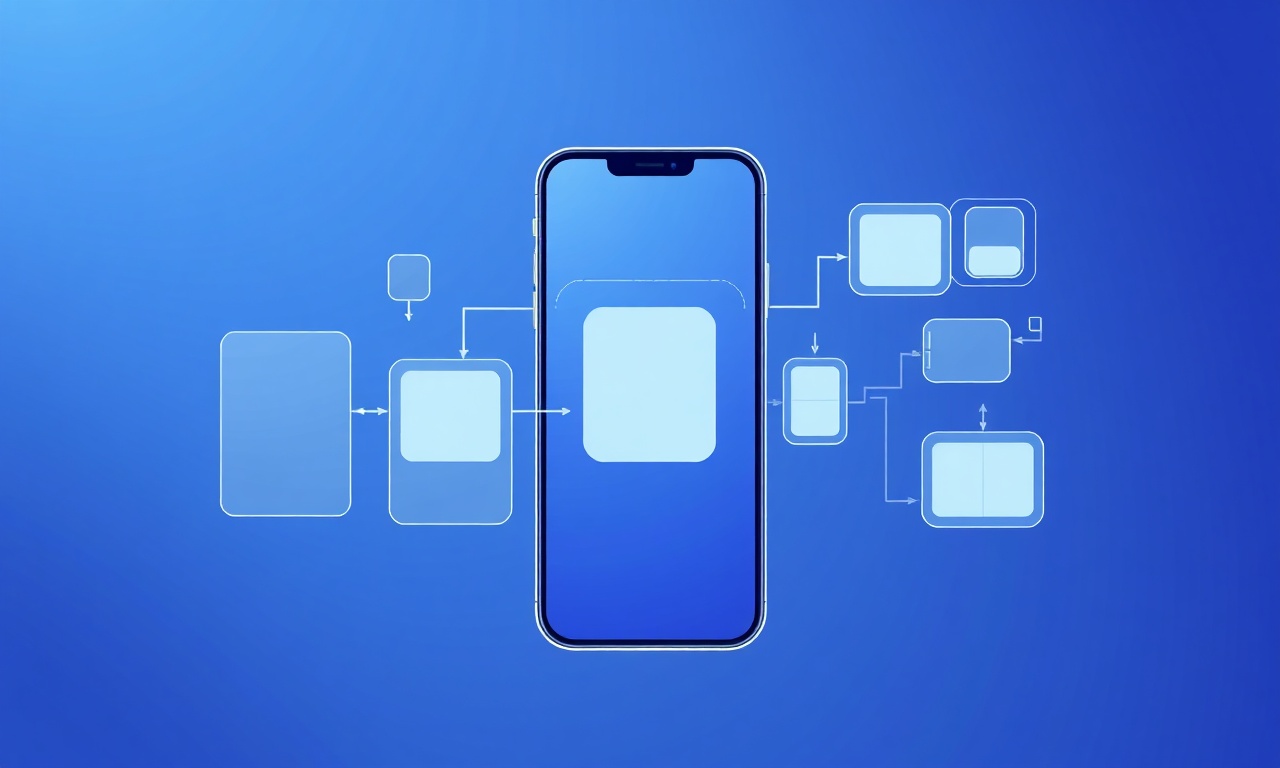
Digital SIM verification is rapidly becoming a cornerstone technology for modern telecommunications, enabling seamless, secure, and flexible management of mobile identities across various platforms. Unlike traditional physical SIM cards, digital SIMs—or eSIMs—are embedded directly into devices and can host multiple operator profiles. This capability unlocks a broad range of use cases and practical applications, particularly in environments where virtual operators, multi-profile devices, and digital identity services converge.
At a basic level, digital SIM verification ensures that the device’s embedded SIM is correctly provisioned and authenticated with the mobile network operator. This process replaces the need for physical SIM swaps, reducing friction for end-users while enhancing security. From a technical perspective, verification involves cryptographic authentication between the device’s embedded secure element and the carrier’s backend systems, often leveraging over-the-air (OTA) provisioning protocols standardized by the GSMA.
Digital SIM verification validates the legitimacy and integrity of the eSIM profile on a device, ensuring it is authorized to access specific network services without physical intervention.
Virtual Mobile Network Operators (MVNOs) and Flexible Profile Management
Virtual operators benefit significantly from digital SIM verification. MVNOs typically do not own network infrastructure but lease capacity from traditional carriers. With digital SIMs, these operators can dynamically provision and verify profiles on customer devices, offering tailored plans and rapid service activation. For example, an MVNO can remotely update or switch user profiles without requiring a new SIM card shipment, streamlining customer onboarding and reducing operational costs.
This flexibility extends to multi-profile devices, such as smartphones or IoT gadgets that hold several operator profiles simultaneously. Digital SIM verification ensures each profile is independently authenticated and managed, allowing users to switch carriers or plans instantly—ideal for global travelers or businesses with diverse connectivity needs.
For developers integrating digital SIM verification, leveraging APIs from services like SMSVerifier’s API documentation can accelerate implementation and provide robust verification workflows across multiple carriers.
Integration with Digital Identity and Authentication Services
Beyond connectivity, digital SIM verification is increasingly integrated with broader digital identity frameworks. Because eSIMs provide a secure hardware root of trust, they can serve as a trusted element for multi-factor authentication (MFA) and identity verification in financial services, healthcare, and government applications.
For instance, when combined with SMS-based OTP verification services such as WhatsApp SMS OTP or Telegram SMS OTP, digital SIM verification enhances security by confirming not only the user’s possession of the phone number but also the authenticity of the SIM profile itself. This layered approach mitigates risks associated with SIM swap fraud and unauthorized access.
IoT Deployments and Enterprise Connectivity
In enterprise environments, managing large fleets of IoT devices often requires remote provisioning and verification of connectivity profiles. Digital SIM verification enables enterprises to securely deploy and manage network access for devices across multiple regions without physical SIM logistics. This capability is particularly valuable for industries like logistics, automotive, and smart cities, where devices must maintain reliable connections with minimal manual intervention.
Global Reach
Supports seamless profile switching across international carriers, ideal for travelers and global businesses.
Enhanced Security
Enables hardware-backed authentication to reduce fraud and unauthorized SIM profile changes.
Operational Efficiency
Facilitates remote provisioning and verification, cutting down physical SIM distribution and support costs.
For organizations exploring digital SIM solutions, understanding pricing models and service options is critical. Services like SMSVerifier’s pricing plans offer scalable options aligned with diverse verification needs, from individual developers to large enterprises.
In summary, digital SIM verification is a vital enabler for the evolving mobile ecosystem. It empowers virtual operators, supports multi-profile devices, and integrates seamlessly with digital identity services to provide a flexible, secure, and user-friendly connectivity experience. As eSIM adoption grows, leveraging robust verification mechanisms will be essential for maintaining trust and operational excellence across platforms.
Step-by-Step Process of eSIM Verification: From Provisioning to Activation
The eSIM verification process is a sophisticated yet seamless cycle that ensures your device’s embedded SIM is properly provisioned, securely activated, and reliably authenticated by the mobile network. Unlike traditional physical SIM cards, eSIMs rely on remote provisioning and digital profiles, which introduces new technical steps unique to the embedded environment. Understanding this end-to-end process is essential for both users and developers integrating eSIM technology.
- Step 1 — Remote Provisioning InitiationThe journey begins when a user or device requests an eSIM profile from a mobile network operator (MNO). This request is typically triggered via a QR code scan or activation link provided by the carrier. The device communicates securely with the Subscription Manager Data Preparation (SM-DP+) server, which hosts the operator’s eSIM profiles.
- Step 2 — Secure Profile DownloadOnce the request is authenticated, the SM-DP+ server delivers the eSIM profile over an encrypted channel to the device’s embedded Universal Integrated Circuit Card (eUICC). The profile contains all necessary credentials, network settings, and cryptographic keys to enable network access. This step is critical for safeguarding user data and preventing unauthorized provisioning.
- Step 3 — Profile Installation and ActivationAfter downloading, the device installs the profile into the eUICC’s secure environment. The user may be prompted to select the profile if multiple are available. Activation involves the device registering the profile with the mobile network. This is where the eSIM’s integrated identity is validated, enabling cellular service without a physical SIM swap.
- Step 4 — Network Verification and AuthenticationThe mobile network operator authenticates the eSIM profile by verifying the embedded credentials against its subscriber database. This process is analogous to physical SIM authentication but leverages over-the-air protocols such as Remote SIM Provisioning (RSP). Successful authentication confirms the device’s eligibility to access network services, including voice, data, and SMS.
- Step 5 — Continuous Profile ManagementEven after activation, the eSIM profile can be managed remotely. Operators can update, suspend, or delete profiles as needed, ensuring flexibility for users who switch carriers or plans. This dynamic management is a core advantage of eSIM technology, supporting multiple profiles on a single device and simplifying number verification services.
For developers building apps that rely on phone number verification, integrating with APIs that support eSIM-enabled devices can streamline SMS OTP delivery and verification processes. Check out SMSVerifier’s API documentation for robust support on handling eSIM-related verification workflows.
Practically, the eSIM verification lifecycle reduces the friction traditionally associated with SIM card logistics, such as physical distribution and manual activation. For users, this means instant connectivity upon device setup or carrier change. For mobile operators and service providers, it offers enhanced security and operational efficiency.
While the steps outlined focus on the technical flow, user experience varies by device manufacturer and carrier. Some devices automate most steps, whereas others may require manual confirmation during provisioning or activation.
In summary, the eSIM verification process encompasses remote provisioning, secure profile download, activation, and network authentication to deliver a flexible and secure mobile experience. This lifecycle empowers modern mobile ecosystems, enabling innovations in number verification and virtual number services across regions like the United States, United Kingdom, and India.
Step-by-Step Process of Digital SIM Verification: Virtual Profile Management

Digital SIM verification is a critical process that ensures the authenticity and security of virtual SIM profiles before they are activated on a device. Unlike traditional physical SIM cards, digital SIMs—or eSIMs—are managed entirely through software, requiring a precise sequence of steps to create, authenticate, and validate the virtual profile on the mobile network. Understanding this process is essential for developers, network operators, and users who rely on secure and seamless mobile connectivity.
- Step 1 — Virtual Profile CreationThe process begins with the generation of a virtual SIM profile. This profile contains unique identifiers, including an Integrated Circuit Card Identifier (ICCID) and an International Mobile Subscriber Identity (IMSI). These identifiers are securely provisioned by the mobile network operator or an authorized eSIM provider. The profile is typically created remotely via an Over-The-Air (OTA) provisioning server, allowing users to download and install it directly onto their device without needing a physical SIM card.
- Step 2 — Software AuthenticationOnce the virtual profile is created, the device’s eSIM management software initiates authentication. This involves mutual verification between the device and the carrier’s server using cryptographic keys embedded in the profile. The authentication process confirms that the profile is genuine and has not been tampered with. This step is crucial to prevent fraud and unauthorized access. The software uses secure protocols, often leveraging the GSMA eSIM specifications, to ensure the integrity and confidentiality of the data exchanged.
- Step 3 — Network ValidationAfter successful authentication, the profile must be validated by the mobile network. This involves registering the device on the operator’s network infrastructure using the profile’s IMSI. The network performs checks to confirm subscription status, service entitlements, and roaming permissions. If validation passes, the device gains network access, enabling voice, SMS, and data services. This step also involves activating any associated phone numbers, which can be verified through services like Google SMS OTP verification or Telegram SMS OTP verification for additional security layers.
- Step 4 — Profile Management and UpdatesDigital SIM profiles support dynamic management after activation. Users or operators can update subscription parameters, switch carriers, or add multiple profiles on the same device without physical changes. These updates are delivered OTA and require re-authentication and network re-validation to maintain security. This flexibility allows for efficient profile lifecycle management and supports use cases like multi-IMSI devices or international roaming with virtual numbers from regions such as USA, UK, or Germany.
The entire digital SIM verification process relies heavily on secure cryptographic operations and trusted platform modules within devices. This ensures that virtual profiles are both secure and tamper-proof, providing a level of assurance comparable to physical SIM cards but with enhanced flexibility and scalability.
For developers integrating eSIM capabilities, leveraging APIs documented in our API documentation and experimenting through the API playground can streamline the profile provisioning and verification workflow, reducing implementation errors and improving user experience.
In practical terms, this process enables seamless device onboarding, rapid carrier switching, and enhanced user control over mobile subscriptions. By understanding and implementing each step carefully, service providers can ensure a secure and reliable mobile experience for their customers in an increasingly digital and interconnected world.
Cost and Pricing Models: eSIM vs Digital SIM Verification Services

When evaluating eSIM and Digital SIM verification services, understanding the cost and pricing models is crucial for businesses aiming to optimize expenses while maintaining robust phone number authentication. Both technologies offer unique pricing structures that reflect their underlying hardware, software, and service components. This section breaks down these models at a basic, technical, and practical level to help you make an informed choice.
1. Hardware and Setup Costs
eSIM verification typically requires compatible devices or modules capable of provisioning and managing embedded SIM profiles. For enterprises, this often means investing in eSIM-enabled hardware or partnering with carriers that support eSIM management platforms. These initial expenses can be significant, especially for large-scale deployments, as the infrastructure must support remote SIM provisioning (RSP) standards and secure eSIM profile downloads.
Conversely, Digital SIM verification services are generally cloud-based and do not require physical hardware on the user's end beyond a standard smartphone or device capable of receiving SMS or data signals. This reduces upfront costs dramatically, as there is no need for specialized equipment or embedded modules.
While eSIM hardware costs can be higher initially, they may offer cost advantages over time by consolidating SIM management, especially for IoT or multi-device ecosystems.
2. Subscription and Service Fees
Subscription fees for eSIM verification services often reflect the complexity of managing embedded profiles securely. Providers may charge based on the number of devices, profiles provisioned, or verification attempts, with tiered pricing models that scale with usage. These fees cover not only SIM management but also compliance with carrier and security regulations.
Digital SIM verification services, such as SMS OTP (One-Time Password) verification or app-based phone number validation, typically operate on pay-as-you-go or monthly subscription models. Pricing usually depends on message volume, verification requests, or API calls. For example, services like SMSVerifier offer transparent pricing plans that allow businesses to only pay for the verifications they use, without long-term commitments.
Check the pricing details on SMSVerifier’s pricing page to compare message costs and subscription tiers tailored to your verification volume.
3. Per-Verification Charges and Scalability
In practical terms, per-verification costs are a critical factor for applications with high user engagement or large customer bases. eSIM verification might involve a fixed cost per profile activation plus a smaller fee for each verification event, which can add up depending on the frequency of identity checks or SIM swaps.
Digital SIM verification services generally bill per verification attempt, such as sending an SMS OTP or validating a phone number via an API call. This model is highly scalable and flexible, allowing businesses to manage costs dynamically based on real-time verification demand. Furthermore, digital SIM solutions are often integrated with popular messaging platforms like WhatsApp and Telegram, enabling cost-efficient multi-channel verification strategies (WhatsApp SMS OTP verification).
4. Additional Considerations: Hidden and Indirect Costs
Beyond direct fees, consider potential hidden costs such as:
- Maintenance and support: eSIM platforms may require ongoing technical support and firmware updates, potentially increasing operational expenses.
- Compliance and security: Both verification methods must adhere to privacy laws and telecommunications regulations, which can entail legal and administrative costs.
- Integration complexity: Digital SIM verification APIs are typically easier to integrate, reducing developer time and costs; explore SMSVerifier’s API documentation and API playground for hands-on testing.
Choosing a service with transparent pricing and comprehensive developer resources can minimize indirect costs and accelerate deployment.
Summary Comparison Table
| Cost Element | eSIM Verification | Digital SIM Verification |
|---|---|---|
| Hardware Costs | High – Requires eSIM-enabled devices and provisioning infrastructure | Minimal – Uses existing devices and cloud infrastructure |
| Subscription Fees | Moderate to High – Based on number of profiles and management services | Low to Moderate – Often pay-as-you-go or tiered based on message volume |
| Per-Verification Charges | Variable – Depends on profile activations and verification events | Transparent – Typically per SMS or API call, scalable |
| Integration & Maintenance | Complex – Requires specialized support and updates | Simpler – Well-documented APIs with developer tools |
Ultimately, the choice between eSIM and Digital SIM verification hinges on your business model, scale, and technical environment. For enterprises requiring embedded SIM management across devices, the upfront investment in eSIM may pay off in the long run. For most applications focused on user authentication and phone number verification, digital SIM verification services offer a cost-effective, agile solution with predictable pricing and rapid integration.
Troubleshooting Common Issues in eSIM Verification and Activation

eSIM technology offers unparalleled convenience and flexibility compared to traditional SIM cards, but its verification and activation can sometimes encounter hurdles. Understanding the typical issues and their solutions can significantly streamline the user experience and reduce downtime. This section explores the most common problems encountered during eSIM verification, including provisioning failures, network errors, and profile conflicts, while providing practical troubleshooting steps.
Provisioning is the process where the eSIM profile is downloaded and activated on the device. Failures here often stem from server communication errors, invalid activation codes, or carrier-side restrictions.
When provisioning fails, the device may display error messages such as “Activation unsuccessful” or “Profile download failed.” This can occur if the activation code provided by the carrier is expired or incorrectly entered. Additionally, network connectivity issues during the profile download can interrupt this process.
Ensure that the device has a stable internet connection, preferably over Wi-Fi, during the eSIM profile download. Double-check the activation code for accuracy and validity with your carrier or service provider.
For developers and businesses integrating eSIM verification into their applications, leveraging an SMS verification service such as Google SMS OTP verification can help confirm the user’s phone number before provisioning, reducing errors related to mismatched profiles.
Network-related problems are among the most frequent causes of eSIM activation issues. These can originate from poor cellular coverage, incompatible network bands, or temporary carrier service outages.
For example, if the device cannot connect to the carrier’s network after profile download, it may not complete the activation process. This issue is especially common when switching between carriers or using virtual numbers from regions such as the United States or United Kingdom.
Verify that your device supports the network bands of your carrier, and check for any ongoing outages with your provider. Restarting the device or toggling airplane mode can help re-establish network connections.
In enterprise environments, monitoring network health and integrating verification APIs can automate detection of network-related failures. SMSVerifier’s API documentation provides guidelines on implementing robust verification workflows that minimize activation disruptions.
Many devices now support multiple eSIM profiles, but conflicts can arise if the device attempts to activate a new profile while an existing one is active or locked.
Users may experience errors such as “Profile not available” or “Activation blocked,” which are typically caused by residual data from previous profiles or limitations imposed by the device’s firmware or carrier policies.
Before activating a new eSIM, remove or deactivate any unused profiles in the device settings. Consult carrier support if policies restrict multiple profile usage, and consider using virtual numbers from providers specializing in multi-profile management.
For developers, integrating verification services that confirm the user’s current profile status can help avoid conflicts during onboarding. The SMSVerifier app also offers tools to manage and verify phone numbers across different profiles seamlessly.
- Step 1 — Confirm Activation CredentialsVerify the QR code or activation code provided by your carrier is valid and correctly entered.
- Step 2 — Check Network ConnectivityEnsure your device has a reliable internet connection and is compatible with the carrier’s network bands.
- Step 3 — Manage Existing ProfilesRemove or deactivate any conflicting eSIM profiles before attempting a new activation.
- Step 4 — Restart and RetryRestart your device or toggle airplane mode to refresh network settings and retry the activation process.
By familiarizing yourself with these common pitfalls and their solutions, you can greatly improve the reliability of eSIM verification and activation. For those interested in implementing phone number verification with ease, exploring SMSVerifier’s comprehensive services and flexible pricing options is a good starting point.
Troubleshooting Common Issues in Digital SIM Verification and Management

Digital SIM verification and management offer a streamlined, flexible alternative to traditional physical SIM cards, but they come with their own set of challenges. Users and developers often encounter issues such as software incompatibility, profile corruption, and authentication failures. Understanding these common problems and their solutions is essential for ensuring reliable eSIM activation and seamless phone number verification workflows.
One of the most frequent hurdles is incompatibility between the device’s operating system and the eSIM management software or carrier profiles. Older OS versions or custom ROMs may lack the necessary APIs or features to support digital SIM activation and verification properly.
To resolve this, always ensure your device firmware and operating system are updated to the latest stable version. Verify that your carrier supports digital SIM profiles for your device model, as some carriers may restrict eSIM services to specific hardware or software builds. For developers integrating phone number verification via APIs, consulting updated documentation—such as our API docs—helps align client software with backend eSIM management protocols.
Corrupted digital SIM profiles can cause activation failures or loss of network connectivity. This may result from interrupted downloads, software bugs, or conflicts during profile updates.
To fix profile corruption, try deleting the affected eSIM profile from your device’s settings and then re-download it from the carrier or service provider. If your workflow involves automated provisioning, implement retry mechanisms and integrity checks to confirm profile data completeness. For businesses using virtual number verification services—available for regions like USA, UK, or Germany—monitoring profile status through your dashboard or app interface can preempt issues before user impact.
Keep backups of active eSIM profiles or maintain alternate verification channels (e.g., SMS OTP via WhatsApp or Telegram) to minimize downtime during troubleshooting.
Authentication failures during digital SIM verification are another common challenge. These can stem from mismatched credentials, expired tokens, or network latency affecting the communication between the device, carrier, and verification servers.
When authentication fails, users might see error messages such as “Verification unsuccessful” or “Activation failed.” This can also disrupt OTP delivery when verifying phone numbers through services like our WhatsApp SMS OTP or Telegram SMS OTP APIs.
To troubleshoot authentication errors, verify that your API keys and credentials are current and have the correct permissions. Check network connectivity and ensure your device’s date/time settings are accurate, as time discrepancies can cause token validation to fail. Additionally, consult the API playground to simulate authentication flows and pinpoint where failures occur.
Another practical approach is to implement detailed logging for verification attempts and error responses. This data aids in diagnosing intermittent issues and communicating effectively with carrier support or your service provider.
Retry Mechanisms
Automatic retries with exponential backoff help overcome transient network or server issues during digital SIM verification.
Secure Credential Management
Safeguard API keys and tokens by using environment variables and secure vaults to avoid unauthorized access and authentication failures.
Monitoring & Alerts
Set up alerts for verification errors and profile activation failures to respond swiftly and minimize user disruption.
Lastly, consider device-specific quirks that may affect digital SIM management. Some smartphones have proprietary eSIM implementations or restrictions that require carrier-side adjustments. If you encounter persistent issues, contacting your carrier or checking forums for device-specific advice can be invaluable.
By addressing these common issues with methodical troubleshooting and leveraging available tools and services, users and developers can ensure a smooth digital SIM verification experience. For comprehensive solutions and support, explore our services tailored to optimize phone number verification and eSIM management workflows.
Best Practices for Secure and Reliable eSIM and Digital SIM Verification

As eSIM and digital SIM technologies continue to transform mobile connectivity, ensuring secure and reliable verification processes is paramount. Both technologies offer unique advantages, but their digital nature also introduces new vectors for fraud, identity theft, and compliance challenges. Implementing best practices in verification not only protects users and providers but also enhances overall user experience and trust. Below are key actionable recommendations to optimize eSIM and digital SIM verification workflows.
While eSIM verification often involves remote provisioning and carrier-level authentication, digital SIMs may rely more on software-based identity checks and third-party integrations. Tailoring your verification approach to the specific technology helps mitigate risks effectively.
1. Employ Multi-Factor Authentication (MFA) and Strong Identity Proofing
To prevent unauthorized SIM activation or cloning, incorporate multi-factor authentication methods during the verification process. Combining something the user knows (PIN/password), something they have (device or digital certificate), and something they are (biometric data) significantly reduces fraud risk.
For example, integrating SMS OTP verification through trusted services like Google SMS OTP or Telegram SMS OTP can add an additional layer of security by confirming possession of the mobile number in question.
Use adaptive authentication that adjusts verification strictness based on risk factors such as device fingerprinting, geographic location, or transaction value.
2. Validate Device and Network Integrity
Verification should include checks to confirm the legitimacy of the device requesting eSIM or digital SIM activation. Implementing device attestation protocols, like Trusted Execution Environment (TEE) validation or secure element verification, ensures the SIM profile is provisioned only on authorized hardware.
Additionally, network-level validation using carrier APIs can confirm that the mobile network operator supports the requested SIM profile and that the activation request aligns with subscriber data.
Beware of SIM swap attacks where adversaries attempt to hijack phone numbers by fraudulently activating SIMs on their devices. Continuous monitoring and anomaly detection are essential to mitigate this risk.
3. Ensure Regulatory Compliance and Data Privacy
Verification processes must comply with regional telecommunications regulations and data protection laws such as GDPR or CCPA. Collect only necessary user data, secure it with encryption both in transit and at rest, and provide transparent privacy policies.
Leverage verification services that offer compliance guarantees and audit capabilities, which can simplify adherence to legal requirements and build user trust.
4. Optimize User Experience with Seamless and Transparent Verification
While security is critical, overly complex verification steps can frustrate users and increase abandonment rates. Aim for a balance by streamlining verification flows:
- Use intuitive user interfaces that guide users clearly through each step.
- Implement instant verification methods like real-time phone number validation, reducing waiting times.
- Offer fallback options, such as voice OTP or email verification, to accommodate different user preferences and network conditions.
For developers and businesses integrating these verification mechanisms, SMSVerifier’s API documentation and interactive playground provide practical tools to build secure and user-friendly verification workflows.
5. Monitor and Analyze Verification Metrics Continuously
Establish monitoring to track verification success rates, failure causes, and suspicious activity patterns. Insights from this data enable ongoing improvements in both security protocols and user experience.
Key performance indicators (KPIs) to monitor include:
- Verification completion time
- Rate of failed or rejected verification attempts
- Incidence of fraud or account takeovers
Summary
Secure and reliable eSIM and digital SIM verification requires a holistic approach combining strong authentication, device and network validation, regulatory compliance, user-centered design, and continuous monitoring. Leveraging specialized verification services and APIs can accelerate implementation while maintaining high security standards. By following these best practices, businesses can confidently adopt eSIM and digital SIM technologies, providing seamless and safe connectivity experiences.
Future Trends and Innovations in eSIM and Digital SIM Verification

The landscape of SIM verification is rapidly evolving as mobile technology advances and user expectations for seamless, secure identity management grow. Both eSIM and digital SIM verification are set to benefit from innovations that enhance security, user experience, and interoperability across devices and networks. Understanding these future trends is crucial for businesses and users aiming to stay ahead in digital identity verification.
Advanced Security Protocols
Next-generation SIM verification will integrate sophisticated cryptographic techniques, including quantum-resistant algorithms and enhanced mutual authentication processes. These advancements aim to safeguard user identities against increasingly complex cyber threats, ensuring that eSIM and digital SIM activations remain secure throughout their lifecycle.
Cross-Platform Interoperability
With the proliferation of multiple connected devices—from smartphones to IoT gadgets—future SIM verification systems will emphasize seamless interoperability. This includes unified verification standards that allow users to manage their mobile identities across various platforms and ecosystems effortlessly.
Real-Time Verification and Automation
Automated real-time verification powered by AI and machine learning will become standard, reducing manual intervention and enabling instant activation and authentication. This will be particularly impactful in services requiring rapid onboarding, such as WhatsApp SMS OTP phone number verification and other messaging platforms.
Emerging standards like the GSMA's Remote SIM Provisioning (RSP) continue to evolve, offering frameworks that simplify eSIM management while enhancing security and user control. These standards will likely expand to cover digital SIMs more comprehensively, fostering a more unified ecosystem.
On a practical level, enterprises and service providers will increasingly rely on API-driven verification services that can scale dynamically and integrate with diverse applications. Platforms offering comprehensive documentation and developer-friendly tools, such as the SMSVerifier API docs and API playground, will play a pivotal role in accelerating adoption and innovation.
To future-proof your mobile identity verification strategy, consider adopting multi-factor approaches that combine eSIM/digital SIM verification with biometric or behavioral authentication methods. This layered security model enhances fraud prevention while maintaining user convenience.
Additionally, the rise of virtual numbers and localized verification services—like those for USA, UK, and India—will complement eSIM verification by offering flexible, region-specific identity solutions. These options will be critical for businesses seeking global reach without sacrificing compliance or security.
As eSIM and digital SIM verification technologies advance, attackers may exploit new vulnerabilities in remote provisioning or cloud-based management systems. Continuous monitoring and adopting the latest security patches remain essential to safeguard mobile identities.
Looking ahead, integration with decentralized identity frameworks and blockchain technology may revolutionize SIM verification by enabling users to own and control their digital identities without relying solely on centralized operators. Such innovations promise enhanced privacy, transparency, and user empowerment.
In summary, the future of eSIM and digital SIM verification is shaped by a convergence of cutting-edge security, automation, interoperability, and user-centric design. Staying informed about these trends and leveraging robust verification services will be key to navigating the evolving mobile identity landscape effectively.
Frequently asked questions
What is the main difference between eSIM and Digital SIM verification?
Are eSIM and Digital SIM verification equally secure?
Can I switch carriers easily with eSIM verification?
Is Digital SIM verification compatible with all mobile devices?
Which verification method is better for IoT devices?
Do eSIM and Digital SIM verification require different infrastructure from carriers?
Can Digital SIM verification be used for multi-profile management?
What are common failures during eSIM verification?
Is it possible to use both eSIM and Digital SIM verification on the same device?
How do costs compare between eSIM and Digital SIM verification?
What future developments are expected in SIM verification technology?
Get started with SMSVerifier
Buy your first virtual phone number in under 60 seconds — pay as you go from $0.20 per SMS.
Create free account