SIM swap attacks involve fraudsters hijacking a victim's phone number by tricking mobile carriers to transfer the number to a new SIM. This article explains each component of these attacks and how to defend against them.
What Is a SIM Swap Attack and Why It Matters
A SIM swap attack is a sophisticated form of identity theft where a malicious actor fraudulently transfers a victim’s mobile phone number to a new SIM card under their control. This action effectively deactivates the victim's original SIM card, allowing the attacker to intercept calls, text messages, and crucially, two-factor authentication (2FA) codes sent via SMS. Because mobile phone numbers are often used as a critical security layer for accessing sensitive accounts, SIM swap attacks pose a significant threat to personal and organizational digital security.
At its core, a SIM swap attack exploits the trust that mobile carriers place in identity verification processes. Attackers typically gather personal information about the victim—often through social engineering, phishing, or data breaches—and then contact the victim’s mobile carrier pretending to be the legitimate customer. By convincing the carrier to activate a new SIM card linked to the victim’s phone number, the attacker gains control over all communications intended for the victim’s mobile device.
Imagine your phone number as a key to your digital identity. When a SIM swap occurs, the attacker steals that key and locks you out of your own accounts.
The significance of SIM swap attacks extends beyond mere inconvenience. For individuals, the risks include unauthorized access to bank accounts, email, social media profiles, and other critical services that rely on SMS-based verification or password resets. For organizations, especially those in finance, healthcare, and e-commerce, the consequences can be severe—ranging from financial losses to compromised customer data and reputational damage.
Technically, the vulnerability lies in the reliance on SMS as a channel for two-factor authentication (2FA). While 2FA adds a layer of security by requiring a one-time code sent to a user’s phone, SIM swap attacks circumvent this by redirecting those codes to the attacker’s device. This is why many security experts recommend using app-based authenticators or hardware tokens instead of SMS when possible.
To reduce your risk, consider services that provide secure phone number verification alternatives, like those offered through Google SMS OTP or Telegram SMS OTP, which implement additional verification layers beyond simple SIM authentication.
Understanding the anatomy of a SIM swap attack also involves recognizing the attacker’s typical workflow:
- Step 1 — ReconnaissanceThe attacker gathers personal data about the victim, such as full name, phone number, address, and sometimes social security numbers or account details.
- Step 2 — Social EngineeringUsing the collected information, the attacker contacts the victim’s mobile provider, impersonating the victim to request a SIM swap.
- Step 3 — SIM ActivationThe mobile carrier activates the new SIM card, transferring the victim’s phone number to the attacker’s device.
- Step 4 — Account TakeoverThe attacker receives SMS messages, including verification codes, enabling them to reset passwords and access sensitive accounts.
Since SIM swap attacks exploit weaknesses in carrier processes and user verification, relying solely on SMS-based 2FA can leave you vulnerable. Always combine multiple security measures and monitor your phone account for unusual activity.
From a practical standpoint, individuals should immediately contact their mobile carrier if their phone suddenly loses service or if they receive unexpected messages about SIM changes. Organizations should also implement policies to detect and prevent fraudulent SIM swap attempts, including requiring in-person identification for SIM swaps or leveraging virtual number services for secure phone number verification as part of their authentication strategy.
In summary, a SIM swap attack is a critical security threat that undermines the trust in mobile phone numbers as a secure communication channel. Its impact spans personal privacy breaches to large-scale corporate security incidents. Awareness and proactive defense—such as using alternative verification methods and understanding carrier security practices—are essential to mitigating the risks associated with SIM swap attacks.
Who Are the Key Players in SIM Swap Attacks

SIM swap attacks are complex schemes involving multiple actors, each playing a distinct role in orchestrating the fraud. Understanding who these key players are is essential for grasping how such attacks unfold and for developing effective defensive measures. This section breaks down the primary participants: the attackers, the mobile carriers, the victims, and the intermediaries who facilitate or unwittingly enable the scam.
The Attackers: Orchestrators of the Fraud
At the core of any SIM swap attack is the attacker, typically a cybercriminal or a group specializing in identity theft and fraud. Their main goal is to gain control of the victim's phone number by convincing the mobile carrier to transfer it to a SIM card they control. Once successful, they can intercept SMS-based two-factor authentication (2FA) codes, reset passwords, and access sensitive accounts.
Attackers often gather personal information about victims through phishing, social engineering, data breaches, or darknet marketplaces. This intelligence helps them impersonate the victim convincingly during the SIM swap request.
Sometimes attackers recruit or bribe employees within mobile carriers or third-party vendors to expedite SIM swaps or bypass security checks, making the attack more effective.
Mobile Carriers: Gatekeepers of Phone Number Control
Mobile carriers play a pivotal role as they have the authority to assign and transfer phone numbers between SIM cards. In a SIM swap attack, the carrier’s customer service representatives or automated systems process the request to port the victim’s number to a new SIM.
While carriers implement security protocols, such as requiring PINs or verification questions, attackers exploit weaknesses in these systems or social engineer representatives to bypass safeguards. The variability in carrier policies and staff training across regions can impact how easily an attacker can succeed.
Carriers continuously update their verification processes to combat SIM swap fraud, but users should also utilize services that offer robust phone number verification, such as those found in our Google SMS OTP phone number verification service, to add extra layers of protection.
The Victims: Targets of Identity and Financial Theft
Victims are individuals or businesses whose phone numbers are hijacked. Their accounts on financial platforms, social media, email, or other services become vulnerable once the attacker controls their phone number. Victims often remain unaware until unauthorized transactions or access attempts occur.
Because many services rely on SMS-based one-time passwords (OTPs) as a second factor, the compromised phone number becomes a direct gateway to the victim’s digital life. This makes victims especially vulnerable if they have not employed additional security measures like app-based authenticators or hardware tokens.
Intermediaries: The Enablers and Facilitators
Besides the primary actors, several intermediaries may be involved, either knowingly or unknowingly. These include:
- Third-party resellers and virtual number providers: Some attackers use virtual phone numbers to mask their identity or conduct reconnaissance. Services offering virtual numbers in regions like the USA or India can sometimes be exploited if not properly secured.
- Online platforms and marketplaces: Darknet sites and illicit forums where stolen personal data is bought and sold provide attackers with the information needed to impersonate victims convincingly.
- Technical support scammers: These fraudsters may indirectly assist SIM swap attackers by misleading victims into divulging sensitive information.
Summary of Roles and Responsibilities
Attackers
Execute the SIM swap by gathering victim info and manipulating carriers or insiders to transfer the phone number.
Mobile Carriers
Control number assignments and verification processes; their security measures directly influence attack success rates.
Victims
Targets who lose control of their phone number and face potential identity theft and financial loss.
Intermediaries
Entities like virtual number providers, data brokers, and scammers that facilitate or enable the attack ecosystem.
By understanding the interplay among these key players, organizations and individuals can better strategize defenses. For example, integrating advanced phone number verification solutions—such as those described in our services section—can help detect suspicious SIM swap attempts early and protect critical accounts.
Step-by-Step Technical Process of a SIM Swap Attack
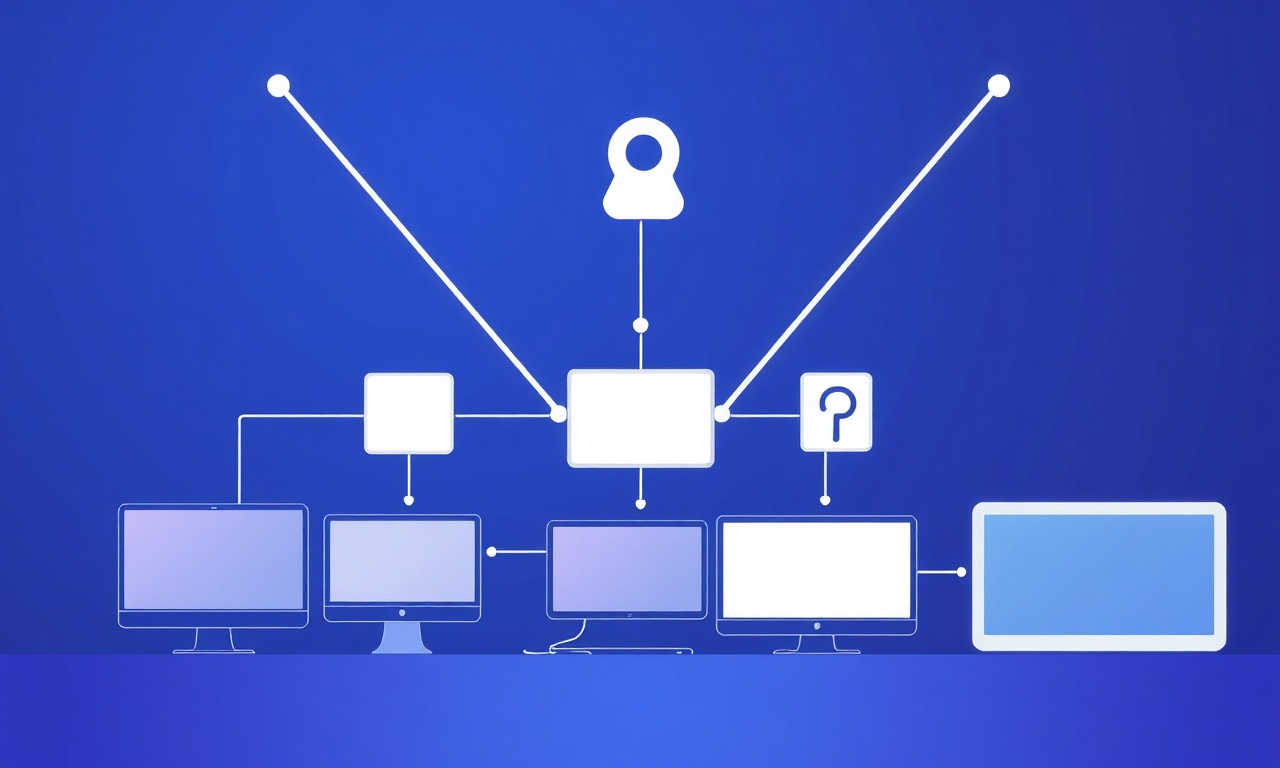
- Step 1 — Target Selection and Reconnaissance Attackers begin by identifying a victim whose mobile number is linked to valuable accounts such as banking, email, or social media. They gather personal information through social media, data breaches, or phishing attempts to prepare for the social engineering phase.
- Step 2 — Social Engineering the Mobile Carrier The attacker contacts the victim’s mobile carrier, impersonating the victim using the gathered personal data. They convincingly request a SIM swap by claiming loss or damage of the existing SIM card. This step exploits weaknesses in carrier verification protocols, often relying on human error or insufficient authentication checks.
- Step 3 — Carrier System Manipulation and Authorization Once the request is accepted, carrier employees update backend systems to associate the victim’s phone number with a new SIM card. This involves changes in the carrier’s Home Location Register (HLR) or Home Subscriber Server (HSS), which control subscriber information and SIM provisioning. The attacker’s SIM is thus provisioned to receive calls and SMS meant for the victim’s number.
- Step 4 — SIM Activation and Network Registration The attacker’s SIM card is activated and registered on the mobile network. The network authenticates the SIM using the International Mobile Subscriber Identity (IMSI) and authentication key stored on the SIM. This registration process effectively disconnects the victim’s original SIM from the network, redirecting all communications to the attacker’s device.
- Step 5 — Exploiting Account Recovery and Two-Factor Authentication With control over the phone number, attackers initiate password resets or two-factor authentication (2FA) bypasses on the victim’s online accounts. They receive one-time passwords (OTPs) via SMS or calls, enabling access to sensitive services such as email, banking, or social media. This step often leads to financial theft, identity fraud, or further account compromise.
- Step 6 — Covering Tracks and Maintaining Access After successful compromise, attackers may immediately change account recovery information to lock out the victim. They may also deactivate alerts or notifications that could warn the victim. In some cases, attackers keep the SIM swap active to maintain long-term access and continue illicit activities undetected.
Mobile carriers are central to the SIM swap process because they control the provisioning systems that link phone numbers to SIM cards. Security gaps in their authentication procedures during SIM reactivation are a primary attack vector exploited by SIM swappers.
To mitigate SIM swap risks, consider using app-based authenticators or hardware security keys for sensitive accounts instead of SMS-based 2FA. Services like Google SMS OTP verification provide alternatives but always evaluate the security trade-offs.
Common Social Engineering Techniques Behind SIM Swaps

SIM swap attacks hinge largely on social engineering, a psychological manipulation technique used by attackers to trick mobile carrier employees into transferring a victim's phone number to a SIM card they control. Understanding these tactics is crucial for both users and service providers to recognize vulnerabilities and reinforce defenses.
At the most basic level, social engineering exploits human trust and procedural gaps rather than technical weaknesses. Attackers often impersonate the phone number’s legitimate owner, leveraging personal information gathered through data breaches, phishing, or public social media profiles. This information lends credibility to their requests when contacting customer service representatives.
Attackers call customer support posing as the victim, claiming their phone was lost or damaged, and request a SIM swap to regain access.
From a technical perspective, attackers prepare by accumulating details such as the victim’s full name, date of birth, billing address, and recent call or text history. These data points help them successfully answer security questions or bypass multi-factor authentication protocols implemented by carriers.
Common social engineering methods used in SIM swapping include:
- Pretexting: The attacker creates a fabricated scenario to obtain sensitive information. For example, pretending to be a mobile network technician or a trusted authority figure to coax information out of employees or the victim.
- Phishing and Spear Phishing: Targeted emails or messages that trick the victim into revealing personal data or login credentials, which can later be used to convince carrier representatives.
- Vishing (Voice Phishing): Direct calls to customer support impersonating the victim, often using spoofed phone numbers or social engineering scripts to manipulate representatives into approving SIM swaps.
- Insider Collusion: In some cases, attackers bribe or coerce mobile carrier employees to execute SIM swaps without proper verification.
Each of these techniques exploits the human element within carrier security systems, which often rely on knowledge-based authentication that can be circumvented with enough personal data.
To mitigate risk, users should limit the amount of personal information publicly available online and consider setting up additional PINs or passwords specifically for their mobile accounts.
From a practical standpoint, once the attacker convinces the carrier employee to perform the SIM swap, the victim’s phone number is ported to a new SIM card controlled by the attacker. This grants the attacker access to SMS-based two-factor authentication (2FA) codes, phone calls, and other sensitive communications, enabling account takeovers across banking, social media, and other critical services.
Mobile carriers have increased security protocols in response, such as requiring in-person verification or additional authentication steps. However, attackers continuously adapt their social engineering strategies, making it essential for carriers to train employees rigorously and for users to use alternative 2FA methods when possible.
For developers and businesses integrating phone number verification, using robust services that offer enhanced security against SIM swap fraud is critical. SMSVerifier provides APIs and virtual numbers that help detect and mitigate suspicious activity related to phone number verification processes. Explore our API documentation and pricing plans to secure your authentication flows effectively.
Mobile Carrier System Vulnerabilities That Enable SIM Swaps

SIM swap attacks leverage inherent weaknesses within mobile carrier systems, exploiting gaps in verification protocols and customer service processes to hijack phone numbers. Understanding these vulnerabilities is crucial for both users and carriers to defend against unauthorized SIM swaps effectively.
At the core, mobile carriers maintain databases linking SIM cards to subscriber identities. When a customer requests a SIM swap—typically to activate a new device or replace a lost SIM—the carrier must authenticate that the request is legitimate. However, many carriers rely on outdated or inconsistent identity verification methods that attackers can manipulate.
Verification often depends on easily obtainable personal information such as date of birth, address, or the last four digits of a Social Security number. Social engineering tactics allow attackers to gather these details and convince customer service representatives to approve SIM swaps without rigorous authentication.
Additionally, customer service agents may face pressure to provide quick resolutions, sometimes bypassing stringent checks. This human factor introduces a critical vulnerability, as attackers impersonate victims through phone calls or online chats and exploit these procedural gaps.
From a technical perspective, the signaling systems carriers use to update SIM assignments can lack robust safeguards. For example, the SS7 protocol, widely used for mobile network communication, has known security flaws that attackers can exploit to intercept or redirect messages related to SIM provisioning. Though carriers have implemented patches and monitoring, these systemic vulnerabilities remain a risk factor.
Carriers should implement multi-factor authentication (MFA) for SIM swap requests, such as requiring a PIN or biometric confirmation, to reduce unauthorized SIM swaps significantly.
On the practical side, users can mitigate risk by setting up carrier-specific security features. Many providers now offer options like account PINs or passphrases that must be presented before any SIM change. Enabling these adds a layer of defense against social engineering attacks targeting customer service.
Furthermore, carriers can enhance their systems by integrating real-time fraud detection tools that analyze anomalous behavior patterns, such as unusual SIM swap requests or rapid successive changes on accounts. These tools can flag suspicious activity and trigger additional verification steps.
Some carriers have also started to limit the channels through which SIM swaps can be requested, restricting them to in-person visits or secure online portals. This approach reduces the likelihood of attackers exploiting remote social engineering attempts.
For developers and businesses integrating phone number verification into their apps, understanding these vulnerabilities highlights the importance of layered security. Services like Google SMS OTP verification and similar offerings provide additional safeguards by validating the user’s possession of the phone number through one-time passcodes, independent of carrier-side weaknesses.
In conclusion, mobile carrier vulnerabilities enabling SIM swaps stem from a combination of insufficient identity verification, exploitable communication protocols, and human factors in customer service. Strengthening these areas with enhanced authentication, employee training, and advanced fraud detection can substantially reduce the risk of SIM swap fraud.
Consequences of SIM Swap Attacks for Individuals and Businesses

SIM swap attacks are more than just a technical nuisance; they inflict profound and multifaceted damage on both individuals and organizations. At their core, these attacks enable cybercriminals to hijack victims’ mobile phone numbers, effectively bypassing two-factor authentication (2FA) and gaining access to sensitive accounts. The consequences span financial losses, privacy breaches, and severe reputational harm.
Victims often face direct monetary theft when attackers use the hijacked SIM to reset passwords on banking, investment, or payment apps. Unauthorized transactions and fraudulent loans are common, leaving victims with significant financial liabilities and disputes to resolve.
For individuals, this can mean drained bank accounts or unauthorized credit card charges, often requiring time-consuming legal and financial recovery processes. Businesses, especially those relying on mobile phone numbers for employee authentication or customer communications, risk large-scale financial exposure and operational disruption.
SIM swap attacks grant attackers access to personal communications, including SMS messages and calls. This can lead to the exposure of confidential information, identity theft, and blackmail. The attacker’s ability to intercept authentication codes compromises the integrity of secure services, undermining trust in digital identity verification methods.
Beyond immediate financial damage, the erosion of privacy can cause long-term psychological distress and the potential misuse of stolen identities for further fraudulent activities.
Implementing additional security layers such as app-based authenticators and using services like Google SMS OTP verification or Telegram SMS OTP verification can reduce dependence on SMS alone, mitigating risks associated with SIM swaps.
Reputational damage is particularly critical for businesses. When attackers exploit SIM swaps to impersonate employees or executives, they can send fraudulent communications, manipulate customers, and disrupt operations. This undermines customer confidence and can lead to loss of business, regulatory scrutiny, and costly remediation efforts.
Small and medium enterprises are often disproportionately affected due to limited cybersecurity resources. For larger corporations, the ripple effects can extend to stock price drops and long-term brand damage. Victims frequently face the daunting challenge of restoring their digital identity and credibility in a landscape increasingly dependent on mobile verification.
On a technical level, the attack exploits weaknesses in telecom authentication processes, but its impact is deeply human and organizational. Victims must navigate complex recovery paths, including contacting mobile carriers, financial institutions, and possibly legal authorities. This highlights the importance of preventative measures and awareness campaigns.
Monetary Losses
Unauthorized access to financial accounts leads to direct theft and fraudulent transactions.
Compromised Privacy
Interception of SMS and calls exposes confidential data and personal communications.
Reputational Harm
Impersonation damages trust and credibility for individuals and businesses alike.
Understanding these consequences is crucial for implementing robust protection strategies. Businesses can explore enhanced verification services detailed in our services section, including virtual number solutions from regions such as USA and UK, which offer additional layers of security against SIM swap vulnerabilities.
How to Detect Early Signs of a SIM Swap Attack
SIM swap attacks are increasingly sophisticated, making early detection crucial to prevent unauthorized access to your accounts and personal data. Recognizing the warning signs early can save you from extensive damage, including financial loss and identity theft. Below, we outline common indicators and alert mechanisms that suggest a SIM swap attack is underway or has already occurred.
Sudden Loss of Cellular Service
If your phone unexpectedly loses signal or displays "No Service" without any apparent network outage in your area, it could be a red flag. Attackers may have successfully ported your number to a new SIM card, cutting off your access.
Receiving Unfamiliar Account or Security Notifications
Unexpected alerts from your mobile carrier about SIM card changes, account resets, or password changes should never be ignored. These notifications often precede or accompany a SIM swap attack.
Authentication Failures on Two-Factor Authentication (2FA)
If your SMS-based 2FA codes stop arriving or you suddenly cannot access services like WhatsApp or Telegram linked to your phone number, this can indicate your number has been compromised. Using robust verification services such as WhatsApp SMS OTP verification or Telegram SMS OTP verification can help detect anomalies early.
Do not ignore any unexpected changes in your phone's behavior, especially those related to connectivity and authentication messages. Attackers often attempt to disable your notifications to delay detection.
On a technical level, monitoring your account activity with your mobile provider can reveal suspicious changes such as multiple SIM change requests or unusual login attempts. Many carriers offer online portals or apps where you can track recent activity. Enabling alerts for SIM card swaps or account modifications is an essential preventive step.
Register your mobile number with services that provide real-time verification and alerting, such as the Google SMS OTP verification system. These platforms can detect irregularities and notify you immediately if your number is being used in unexpected ways.
Practically, here are some actionable steps to detect and respond to potential SIM swap attacks early:
- Step 1 — Monitor Service StatusPay attention to sudden loss of service or inability to make calls and send texts.
- Step 2 — Watch for Account NotificationsImmediately investigate any messages from your carrier about SIM swaps or account changes.
- Step 3 — Check 2FA and App AccessVerify if you can still receive authentication codes or access apps tied to your phone number.
- Step 4 — Contact Your CarrierIf you suspect a swap, contact your mobile provider to freeze or secure your account.
In addition to vigilance, employing virtual number services from trusted providers can add layers of protection. For instance, using a virtual number from specific countries such as the USA virtual number or UK virtual number can help isolate your primary mobile number from high-risk activities, thereby reducing exposure.
By understanding these detection signals and integrating proactive verification tools, such as those detailed in our services and accessible via our API documentation, you can significantly reduce your risk and protect your digital identity.
Practical Best Practices to Prevent SIM Swap Attacks

SIM swap attacks exploit vulnerabilities in mobile carrier security and social engineering tactics to hijack phone numbers, enabling attackers to bypass two-factor authentication (2FA) and access sensitive accounts. Preventing these attacks requires a layered approach combining user vigilance, carrier security enhancements, and technological safeguards. Below are practical measures individuals and organizations can adopt to reduce the risk of SIM swapping.
Enable Strong Authentication on Your Mobile Account
Contact your mobile carrier and request to add a unique PIN or password to your account. This extra authentication step prevents unauthorized changes to your SIM or account information. Carriers often provide options for two-factor authentication on account management portals—activating these features significantly reduces SIM swap risks.
Use App-Based Two-Factor Authentication (2FA)
Whenever possible, prefer app-based 2FA methods like Google Authenticator or Authy over SMS-based codes. SMS can be intercepted through SIM swaps, but app-generated codes remain secure on your device. For services that rely on phone verification, consider integrating robust solutions such as SMSVerifier’s Google SMS OTP phone number verification service to add an additional layer of validation.
Monitor Account Activity and Notifications
Set up alerts for any changes to your mobile account or suspicious login attempts. Immediate notification helps detect SIM swap attempts early. Many carriers and online services offer notification settings to inform users about SIM changes or account modifications.
Organizations managing large user bases or sensitive data should implement tailored policies and technologies to minimize SIM swap vulnerabilities. For example, enterprises can require multi-factor authentication that doesn’t rely solely on SMS, implement identity verification protocols for carrier change requests, and educate users about SIM swap threats.
Consider using virtual numbers from secure providers like USA virtual numbers or UK virtual numbers for critical communications. These numbers are less susceptible to SIM swapping and offer additional control over number management.
- Step 1 — Secure Your Mobile AccountAdd PINs/passwords and enable carrier-provided security features.
- Step 2 — Switch to App-Based 2FAUse authenticator apps instead of SMS codes for authentication.
- Step 3 — Monitor and RespondSet alerts and review account activity regularly to catch suspicious behavior early.
Additionally, developers and service providers can leverage SMS verification APIs that implement fraud detection and number validation to reduce fraudulent SIM swap-related signups or logins. SMSVerifier’s API documentation (/api/docs) and API playground offer tools to integrate these protections seamlessly into your applications.
Never share your mobile account PIN, passwords, or verification codes with anyone. Attackers use social engineering to extract this information and initiate SIM swaps.
By adopting these best practices, individuals and organizations strengthen their resilience against SIM swap attacks, protecting personal data and digital identities from compromise.
Effectiveness and Limitations of Two-Factor Authentication Against SIM Swaps
Two-Factor Authentication (2FA) is widely recognized as a critical security layer that significantly reduces the risk of unauthorized access by requiring users to provide two distinct forms of identification before gaining entry. Typically, these factors include something the user knows (like a password) and something the user has (such as a one-time passcode sent via SMS). However, when it comes to defending against SIM swap attacks, the efficacy of 2FA—especially SMS-based 2FA—faces unique challenges that must be carefully considered.
At a basic level, 2FA adds a second checkpoint beyond just a password, which in theory should prevent attackers from accessing accounts even if they have compromised login credentials. Yet, SIM swap attacks specifically target the “something you have” factor by hijacking the victim’s phone number. Attackers impersonate the victim to mobile carriers, convincing them to transfer the victim’s number to a new SIM card controlled by the attacker. Once this happens, any SMS-based codes or calls intended for the victim are redirected to the attacker, effectively bypassing SMS 2FA.
SIM swap fraud exploits the reliance on the phone number as an authentication factor. Since SMS 2FA sends verification codes via text messages to the user’s phone number, a successful SIM swap redirects these codes to the attacker, nullifying the protection SMS 2FA intends to provide.
From a technical perspective, the vulnerability lies in the mobile network’s process for authenticating SIM swap requests, which often depends on weak identity verification methods such as knowledge-based authentication or social engineering tactics. This weakness in the telecom infrastructure makes SMS-based 2FA inherently susceptible to compromise through SIM swaps.
Practically speaking, this means that services relying solely on SMS for two-factor verification can unintentionally provide a false sense of security to their users. Attackers can gain access to sensitive accounts—such as email, banking, or social media—once they control the victim’s phone number, because they receive the second factor intended to verify legitimate access.
To mitigate SIM swap risks, avoid relying exclusively on SMS-based 2FA. Instead, opt for authenticator apps, hardware tokens, or biometric verification methods which do not depend on the phone number or mobile network.
Alternatives such as Time-based One-Time Password (TOTP) applications (e.g., Google Authenticator or Authy) generate codes locally on the user’s device, eliminating the risk of interception via SIM swap. Similarly, hardware security keys like YubiKey use cryptographic protocols that are immune to SIM hijacking.
For organizations and developers, integrating these stronger authentication methods into their platforms can provide enhanced protection. For instance, integrating services like Google SMS OTP Phone Number Verification Service alongside app-based authenticators can create a multi-layered security approach. Additionally, implementing push notification-based 2FA, which requires user interaction on a registered device, further reduces attack vectors.
It is important to note that even non-SMS 2FA methods are not completely invulnerable. Attackers may attempt phishing, malware, or social engineering attacks to obtain authenticator codes or bypass biometric checks. Therefore, 2FA should be viewed as one component in a holistic security strategy rather than a silver bullet.
Users can also take proactive steps to protect their mobile accounts from SIM swap fraud. These include setting up carrier-specific PINs or passwords, limiting sensitive account recovery options tied to phone numbers, and monitoring for unusual activity. Many mobile carriers now offer enhanced security features or alerts for SIM swap requests.
Contact your mobile provider to enable additional security measures such as account passcodes, two-factor authentication for SIM changes, and notifications on SIM swap attempts to help prevent unauthorized SIM swaps.
In conclusion, while two-factor authentication significantly improves account security, its effectiveness against SIM swap attacks depends heavily on the authentication method used. SMS-based 2FA, due to its reliance on the phone number, is vulnerable to SIM swaps and should be supplemented or replaced with more secure alternatives. Adopting app-based authenticators, hardware tokens, or biometric verification, combined with user vigilance and carrier-level protections, forms a robust defense against the evolving threat of SIM swap fraud.
Advanced Technical Solutions to Detect and Mitigate SIM Swap Attacks

As SIM swap attacks evolve in sophistication, traditional defenses like PINs or simple customer verification methods often prove insufficient. To effectively counteract these threats, telecom providers and security experts are increasingly turning to advanced technical solutions that leverage artificial intelligence (AI), carrier-side fraud detection systems, and blockchain technology. These innovations offer dynamic, multi-layered protection by identifying suspicious behaviors early and securing the SIM provisioning process with immutable records.
SIM swap fraud exploits weaknesses in mobile network processes, often involving social engineering combined with unauthorized SIM provisioning. Detecting such attacks requires real-time analysis of network events and user behavior patterns that go beyond static security checks.
AI-Powered Behavioral Monitoring and Anomaly Detection
Artificial intelligence is at the forefront of modern SIM swap defense strategies. By continuously monitoring user activity and network events, AI algorithms can detect anomalies indicative of fraud. These include sudden changes in SIM card usage, unusual location shifts, or rapid succession of SIM provisioning requests linked to a single phone number.
Machine learning models are trained on vast datasets of legitimate and fraudulent behaviors, enabling them to identify subtle patterns that humans may overlook. For example, if an account’s SIM is swapped but the device fingerprint, usage patterns, or geolocation data diverge significantly from historical norms, the system can flag or automatically block the transaction pending further verification.
Integrating AI-driven monitoring with SMS verification services like Google SMS OTP or Telegram SMS OTP can enhance real-time detection and user authentication.
Carrier-Side Fraud Detection Systems
Telecom operators are deploying sophisticated carrier-side fraud detection platforms designed to analyze SIM swap requests before execution. These systems apply multi-factor risk scoring algorithms that consider contextual factors such as customer history, recent account changes, the requesting agent’s identity, and device metadata.
When a SIM swap request is received, the system cross-references it with ongoing network activity and known fraud patterns. High-risk requests may trigger additional authentication steps, such as biometric verification or requiring in-person confirmation at a retail outlet. This layered approach ensures that unauthorized SIM swaps are intercepted early, minimizing damage.
Blockchain for Immutable SIM Swap Records
Emerging research explores the potential of blockchain technology to secure SIM swap transactions by creating tamper-proof, decentralized ledgers of SIM provisioning events. Each SIM swap request and approval can be recorded as a cryptographically secured transaction, visible and auditable by all stakeholders including carriers, regulators, and users.
This transparency prevents unauthorized or fraudulent SIM swaps by ensuring that every change is traceable and cannot be altered retroactively. Additionally, smart contracts can automate compliance checks and enforce policies, such as requiring multi-party authorization before a swap is finalized.
While still in early adoption phases, blockchain-based SIM swap tracking promises to complement existing detection methods by adding an immutable audit trail, increasing accountability, and reducing insider fraud risks.
Combining Advanced Technologies for Holistic Protection
Individually, AI monitoring, carrier-side fraud detection, and blockchain provide powerful defenses. Together, they form a comprehensive security fabric that adapts to evolving threats. For businesses and service providers, integrating these technologies with robust SMS verification services—such as those detailed in our services and API documentation—ensures that user identity verification remains resilient against SIM swap attempts.
Developers can leverage APIs that incorporate AI-based fraud scoring and multi-channel verification methods to build secure authentication workflows. This is especially critical for industries handling sensitive transactions or personal data, where compromised phone numbers can lead to significant financial and reputational damage.
Explore virtual number options like USA virtual numbers or UK virtual numbers combined with advanced verification APIs to add an extra layer of security and flexibility in handling user authentication.
In summary, combating SIM swap fraud demands a proactive and technologically advanced approach. By harnessing AI for behavioral insights, deploying carrier-based fraud detection, and exploring blockchain’s immutable audit capabilities, telecom providers and security platforms can significantly reduce the risk and impact of SIM swap attacks, safeguarding users’ digital identities and assets.
Legal and Regulatory Measures Combating SIM Swap Fraud Worldwide

SIM swap fraud has emerged as a significant cybersecurity threat, prompting governments and regulatory authorities worldwide to enact stringent laws and regulations designed to curb this form of identity theft. At its core, SIM swap fraud exploits vulnerabilities in mobile network operators’ customer verification processes, enabling attackers to hijack victims’ phone numbers and bypass authentication protocols. To counteract these threats, a combination of legal frameworks, regulatory mandates, and carrier policies have been developed, focusing on prevention, detection, and enforcement.
On a basic level, many countries have criminalized SIM swap attacks under broader statutes related to identity theft, fraud, and unauthorized access to telecommunications services. Perpetrators found guilty of SIM swapping can face severe penalties, including fines and imprisonment. However, these laws vary significantly across jurisdictions, reflecting differences in legal traditions, telecommunications infrastructure, and the evolving understanding of cybercrime.
Most legal systems categorize SIM swap fraud under cybercrime or telecommunications fraud, enabling prosecution under statutes that cover electronic identity theft, unauthorized account access, or wire fraud.
From a technical regulatory standpoint, telecom regulators have introduced specific mandates requiring mobile network operators (MNOs) to implement robust customer authentication procedures before processing SIM swap requests. These measures often include mandating multi-factor authentication (MFA), requiring in-person verification or biometric confirmation, and logging all SIM swap requests with detailed audit trails. For example, regulators in several regions now require carriers to notify customers immediately of any SIM swap activity via secondary communication channels such as email or alternative phone numbers.
Furthermore, some jurisdictions have introduced data protection laws that indirectly impact SIM swap fraud prevention by enforcing strict controls on customer data access and sharing. This ensures that only authorized personnel within telecom companies can initiate SIM swaps, reducing the likelihood of insider threats or social engineering attacks.
Practically, these legal and regulatory measures translate into enhanced carrier policies. Mobile operators have adopted multi-layered verification protocols, including:
- Requiring government-issued photo ID verification when requesting SIM swaps.
- Implementing time delays or “cooling-off” periods to detect suspicious activity.
- Training frontline staff to recognize social engineering tactics commonly used in SIM swap fraud.
In addition to national regulations, international cooperation plays a vital role in combating SIM swap fraud, especially given the cross-border nature of telecommunications and cybercrime. Regulatory bodies often collaborate to share threat intelligence, harmonize best practices, and develop joint enforcement strategies. This global approach is essential as attackers frequently exploit regulatory gaps between countries.
Organizations and individuals can significantly reduce their risk by using services that integrate phone number verification APIs with anti-fraud features, such as those found in Google SMS OTP verification or Telegram SMS OTP verification, which add layers of security against unauthorized SIM swaps.
In the United States, for example, the Federal Communications Commission (FCC) has issued guidelines urging carriers to adopt stronger authentication methods for SIM swaps, while state laws impose penalties on fraudulent activities involving telecommunications fraud. Similarly, the European Union’s General Data Protection Regulation (GDPR) indirectly enforces stringent controls on personal data handling, compelling carriers to safeguard customer information rigorously.
Emerging regulations increasingly emphasize transparency and customer empowerment. Carriers are now often required to provide customers with real-time alerts and easy mechanisms to report suspected fraud. These customer-centric measures complement legal deterrents and technical safeguards, creating a holistic defense against SIM swap fraud.
Regulatory frameworks often hold telecom providers liable for damages caused by negligent SIM swap processes, incentivizing investment in advanced security technologies and staff training.
Despite these advances, challenges remain. The fast-paced evolution of attack methods demands continuous updates to legal frameworks and carrier policies. Moreover, the balance between stringent security and user convenience is delicate; overly complex verification processes may frustrate legitimate customers. Therefore, ongoing dialogue between regulators, carriers, cybersecurity experts, and consumers is critical to refining these measures.
For businesses seeking to protect their users from SIM swap risks, integrating compliant phone verification services with real-time fraud detection capabilities is essential. Leveraging APIs that adhere to regulatory standards can streamline compliance while enhancing security. Explore our API documentation and security services to learn how to implement these protections effectively.
Notable SIM Swap Attack Case Studies and Their Lessons

SIM swap attacks have evolved from niche exploits to mainstream threats, impacting individuals and corporations alike. Examining notable cases provides valuable insights into the tactics attackers use and the defensive measures that can mitigate these risks. This section explores some of the most instructive SIM swap incidents, dissecting how attackers gained control and what lessons can be drawn to fortify security.
In one high-profile incident, attackers targeted a cryptocurrency trader by executing a SIM swap to intercept two-factor authentication (2FA) codes. The fraudsters exploited social engineering tactics to convince the victim’s mobile carrier to port the number to a new SIM card. Once in control, they accessed the victim’s exchange accounts and transferred significant digital assets to anonymous wallets.
Technical breakdown: Attackers used detailed personal information obtained via phishing and social media scraping to bypass carrier verification. The victim’s reliance on SMS-based 2FA made it easier for attackers to intercept login credentials.
Prevention lessons: This case underscores the importance of using app-based authenticators or hardware tokens instead of SMS codes for sensitive accounts. Additionally, mobile carriers must implement stricter identity verification protocols and anomaly detection to flag suspicious SIM porting requests.
For enhanced protection, consider services that offer secure phone number verification, such as our Google SMS OTP Phone Number Verification Service, which supports multi-factor verification beyond SMS.
A well-known public figure experienced a SIM swap attack that led to unauthorized access to their social media accounts. Attackers gained control of the victim’s phone number by bribing or manipulating a mobile carrier employee, bypassing standard security checks.
Technical breakdown: This attack highlights an insider threat vector, where carrier personnel facilitate unauthorized SIM swaps. The attackers leveraged this access to intercept SMS-based recovery codes and reset account passwords.
Prevention lessons: Organizations should ensure that mobile providers enforce strict employee access controls and audit trails. Users are advised to enable additional security layers on social platforms, such as app-specific passwords and login alerts, to detect unauthorized access promptly.
Integrating services like the Telegram SMS OTP Phone Number Verification Service can provide more secure authentication channels less susceptible to SIM swap risks.
Attackers targeted an executive of a multinational corporation by initiating a SIM swap attack to bypass SMS-based login for corporate cloud services. The breach led to significant data exposure and financial loss.
Technical breakdown: The threat actors combined spear-phishing emails with SIM swapping to gain initial access and then escalated privileges within corporate networks. Their success was partly due to the company’s dependence on SMS OTPs without fallback multi-factor authentication methods.
Prevention lessons: Corporations must enforce zero-trust policies with multi-factor authentication methods that do not rely solely on SMS. Employee training on phishing awareness and regular security audits of authentication workflows are critical to reducing SIM swap attack success.
These case studies collectively illustrate that SIM swap attacks are multifaceted, often combining technical exploits with social engineering or insider collusion. As attackers continually refine their methods, relying on traditional SMS-based verification alone is increasingly risky. Leveraging comprehensive verification services, such as those described in our services section, and adopting app-based or hardware token authentication can significantly mitigate these threats.
For developers and businesses looking to integrate robust phone number verification, our API documentation and API playground provide practical tools to implement multi-layered security measures that reduce SIM swap vulnerabilities.
Comparing SIM Swap Attacks to Other Forms of Identity Theft
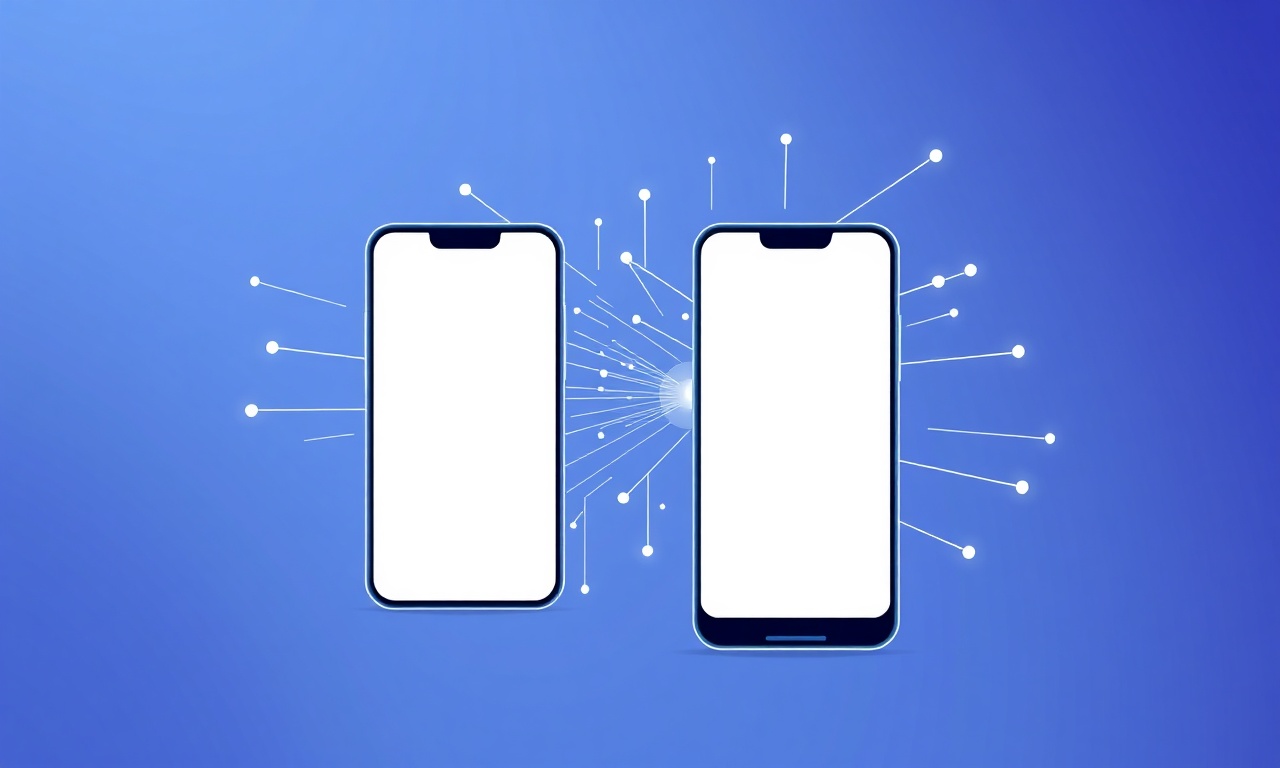
SIM swap attacks have emerged as a particularly insidious form of identity theft, exploiting mobile network vulnerabilities to hijack a victim’s phone number. While SIM swapping shares the ultimate goal of identity theft with other cybercrimes, it operates through distinct mechanisms and poses unique challenges for both individuals and organizations. Understanding how SIM swap attacks differ from phishing scams, data breaches, and account takeover fraud is crucial for developing effective defenses.
SIM swapping involves transferring a victim’s phone number to a new SIM card controlled by the attacker, enabling them to intercept calls and SMS messages, including two-factor authentication codes.
In contrast, phishing relies on tricking victims into voluntarily revealing sensitive information such as passwords or credit card numbers, often via deceptive emails or fake websites. Although phishing can be a precursor to SIM swapping—by harvesting personal details used to convince mobile carriers to port a number—it fundamentally depends on social engineering rather than exploiting telecommunications protocols.
Data breaches represent a different attack vector, involving unauthorized access to large repositories of personal data stored by companies. While breaches expose potentially millions of records, including login credentials and personal identifiers, they do not directly grant control over a victim’s phone number. However, breached data can be combined with SIM swap techniques to bypass security measures that rely on personal information verification.
Account takeover (ATO) fraud involves unauthorized access to online accounts through compromised credentials or session hijacking. Attackers may use ATO to drain bank accounts or commit fraud on e-commerce platforms. While ATO usually targets a single account at a time, SIM swapping can facilitate multiple account takeovers by intercepting SMS-based authentication for various services tied to the phone number.
Authentication Interception
SIM swapping uniquely enables attackers to receive SMS OTPs and calls, bypassing two-factor authentication methods tied to a phone number.
Social Engineering & Telecom Exploitation
Unlike phishing which targets individuals directly, SIM swapping exploits mobile carrier procedures, often requiring insider knowledge or manipulation of telecom support staff.
Multi-Service Impact
Compromising a phone number can grant access to a wide range of linked services, including messaging apps like WhatsApp and Telegram, banking, and social media, amplifying the damage compared to isolated data breaches.
From a practical standpoint, defending against SIM swap attacks requires different strategies than those effective against other identity theft forms. While phishing defenses focus on user education and email filtering, and data breach mitigation involves encryption and breach notification protocols, SIM swap protection centers on securing mobile accounts. This includes setting up PINs or passwords with carriers, monitoring number porting activity, and employing alternative authentication methods that do not rely solely on SMS OTPs.
Integrate phone number verification services that support multiple authentication channels—such as apps or hardware tokens—to reduce reliance on SMS OTPs vulnerable to SIM swapping. Explore options like our WhatsApp SMS OTP phone number verification service for more secure multi-channel authentication.
In summary, while SIM swap attacks share the identity theft goal with phishing, data breaches, and account takeovers, their reliance on telecom infrastructure exploitation and the ability to intercept SMS-based authentication codes make them uniquely dangerous. Awareness of these distinctions enables individuals and businesses to tailor their security measures more effectively and mitigate the growing risks associated with mobile phone number theft.
Step-by-Step Guide to Recover and Secure Accounts After a SIM Swap

Experiencing a SIM swap can be disorienting and alarming. Immediate action is crucial to minimize the damage and regain control of your accounts and personal information. This guide will walk you through practical and technical steps to recover from a SIM swap attack effectively.
- Step 1 — Confirm the SIM SwapIf your phone suddenly loses service or you receive messages about SIM changes you did not authorize, contact your mobile carrier immediately to confirm if a SIM swap has occurred.
- Step 2 — Lock Your Mobile AccountRequest your carrier to temporarily freeze or lock your mobile account to prevent further unauthorized changes. Some carriers offer additional security PINs or passwords—set these up if you haven’t already.
- Step 3 — Change Passwords on Critical AccountsUsing a secure internet connection, change passwords for your email, banking, social media, and any other accounts linked to your phone number. Enable two-factor authentication (2FA) where possible, preferably using an authenticator app instead of SMS-based OTP.
- Step 4 — Notify Relevant InstitutionsInform your bank, credit card companies, and other financial institutions about the incident. Monitor your accounts for suspicious transactions and request fraud alerts if available.
- Step 5 — Report the Incident to AuthoritiesFile a report with your local law enforcement and, where applicable, national cybercrime units. This can help in investigations and may be necessary for identity theft protections.
- Step 6 — Review and Secure Linked ServicesCheck all services linked to your phone number, including messaging apps like WhatsApp and Telegram. For example, re-register your phone number on these platforms to regain control. Consider using secure verification services like our WhatsApp SMS OTP verification or Telegram SMS OTP verification to reinforce account security.
- Step 7 — Monitor Your Identity and CreditKeep an eye on your credit reports and personal identity information. Services that monitor for identity theft can alert you if suspicious activity is detected.
To reduce reliance on SMS for two-factor authentication, consider using authenticator apps or hardware security keys. These methods provide stronger protection against SIM swap attacks.
Do not ignore any alerts from your mobile carrier or accounts about changes you did not initiate, even if they seem minor. Early detection is key to stopping attackers before they cause irreversible damage.
Recovering from a SIM swap requires vigilance and prompt action. Using trusted verification services and securing your accounts proactively can help prevent future incidents. For developers and businesses, integrating robust verification mechanisms like SMS OTP services from our API documentation can greatly enhance user security and reduce fraud risks.
Frequently asked questions
What exactly happens during a SIM swap attack?
How do attackers gain access to my phone number?
Can SIM swap attacks be prevented?
Is two-factor authentication safe from SIM swap attacks?
What should I do if I suspect a SIM swap attack?
Are mobile carriers responsible for SIM swap fraud?
How do SIM swap attacks differ from phishing?
Can businesses be targeted by SIM swap attacks?
What legal protections exist against SIM swap fraud?
How do fraud detection systems identify SIM swap attempts?
Can blockchain technology help prevent SIM swap attacks?
Is it possible to recover lost data after a SIM swap attack?
What are the signs my phone number was SIM swapped?
Get started with SMSVerifier
Buy your first virtual phone number in under 60 seconds — pay as you go from $0.20 per SMS.
Create free account