Disposable phone numbers are temporary virtual phone numbers used to protect privacy and enable secure SMS verification. They work by routing calls and messages through virtual infrastructure, offering anonymity and convenience for various online interactions.
What Are Disposable Phone Numbers and How Do They Work?
Disposable phone numbers are temporary, often single-use telephone numbers that allow users to send and receive SMS or calls without revealing their personal or permanent phone numbers. They serve as a privacy-focused communication tool, commonly used for online verifications, signing up for services, or protecting one’s identity when interacting with unfamiliar contacts or platforms.
At their core, disposable phone numbers act as intermediaries. When you request a disposable number, you receive a virtual phone number that forwards messages or calls to your actual device or a web interface. This means you can receive verification codes, SMS messages, or even voice calls without exposing your real phone number to the service or person on the other end.
Disposable numbers work by routing incoming SMS or calls through a cloud-based system. The user is assigned a number, which acts as a temporary proxy. Messages sent to that number are captured and forwarded securely, often accessible via online dashboards or APIs, allowing easy integration with services requiring phone verification.
Technically, these numbers are hosted on virtual telephony platforms that lease number ranges from telecom providers worldwide. This enables users to obtain numbers from different countries such as the United States, United Kingdom, or India, depending on their needs. The virtual nature means no physical SIM card is required; everything operates over the internet using software-defined telephony.
Disposable phone numbers are especially valuable in the context of two-factor authentication (2FA) and one-time password (OTP) verification. Many websites and applications require a phone number to send a verification code. Using a disposable number prevents your personal number from being stored or misused by third parties. Services like SMSVerifier offer APIs and apps to streamline this process, supporting verification workflows via platforms such as Google, Telegram, and WhatsApp.
From a practical standpoint, disposable numbers have a lifecycle that ranges from a few minutes to several days or weeks, depending on the provider and use case. After the designated period, the number is deactivated and released back into the pool for reassignment. This transient nature is what makes them ideal for temporary interactions like signing up for newsletters, trial accounts, or classified ads.
When choosing a disposable phone number service, consider the duration of number availability and the countries supported to ensure compatibility with the platforms you intend to verify.
In summary, disposable phone numbers function as temporary digital identifiers that shield your personal phone number from exposure and potential abuse. They leverage virtual telephony infrastructure to enable secure, anonymous communication channels that are widely used in online security, marketing, and privacy protection. To explore how you can integrate disposable phone numbers into your workflows, check out our API documentation or try the API playground for hands-on experience.
Why Use Disposable Phone Numbers for Privacy and Security?

In the digital age, protecting your personal information is more critical than ever. Disposable phone numbers have emerged as a powerful tool to enhance both privacy and security for individuals and businesses alike. By using a temporary or one-time-use phone number, you significantly reduce the risk of exposing your real phone number to unwanted contacts, spam, or cyber threats. This section explores the key reasons why disposable phone numbers are indispensable for safeguarding your communication and identity.
Disposable phone numbers act as a buffer between your real phone number and external parties. When signing up for online services, social media, or promotional offers, using a disposable number prevents your primary number from being shared, sold, or leaked.
One of the most common privacy risks is the unauthorized distribution of your phone number, which can lead to persistent spam calls, phishing attempts, or even identity theft. Disposable numbers mitigate this risk by limiting the lifespan and usability of the number, making it far less valuable to malicious actors.
For enhanced security, consider using disposable numbers in conjunction with two-factor authentication (2FA) services. This approach adds an extra layer of protection without compromising your personal number. SMSVerifier offers reliable virtual phone numbers ideal for such secure verification processes.
From a technical perspective, disposable phone numbers support secure and anonymous communication channels. They can be used to verify accounts without revealing your permanent contact details. This is particularly valuable when accessing services that require phone verification but where you do not want to establish a lasting link to your identity.
Prevent Data Harvesting
Disposable numbers reduce the risk of your personal data being harvested by bots or unscrupulous marketers.
Quick and Easy Setup
Create and discard numbers instantly without lengthy contracts or commitments.
In practical scenarios, disposable phone numbers are invaluable in protecting your privacy during activities such as online dating, classified ads, or testing new apps and services. Instead of risking spam or unsolicited contact on your main number, a disposable number acts as a shield, allowing you to maintain control over who can reach you.
Additionally, businesses benefit greatly from using disposable numbers to secure customer verification processes and prevent fraud. For example, integrating disposable numbers into SMS OTP (one-time password) verification services enhances account security without compromising customer data. SMSVerifier’s API documentation and API playground provide developers with tools to efficiently implement these protections.
While disposable phone numbers provide increased privacy, they should not replace robust security practices such as strong passwords and multi-factor authentication. Always use disposable numbers as part of a comprehensive security strategy.
In summary, disposable phone numbers offer a practical and effective means to protect your privacy and enhance security in an increasingly connected world. Whether you are an individual seeking to minimize exposure or a business aiming to secure communications, leveraging disposable numbers can significantly reduce risks associated with phone number misuse and cyber threats.
Technical Infrastructure Behind Disposable Phone Numbers
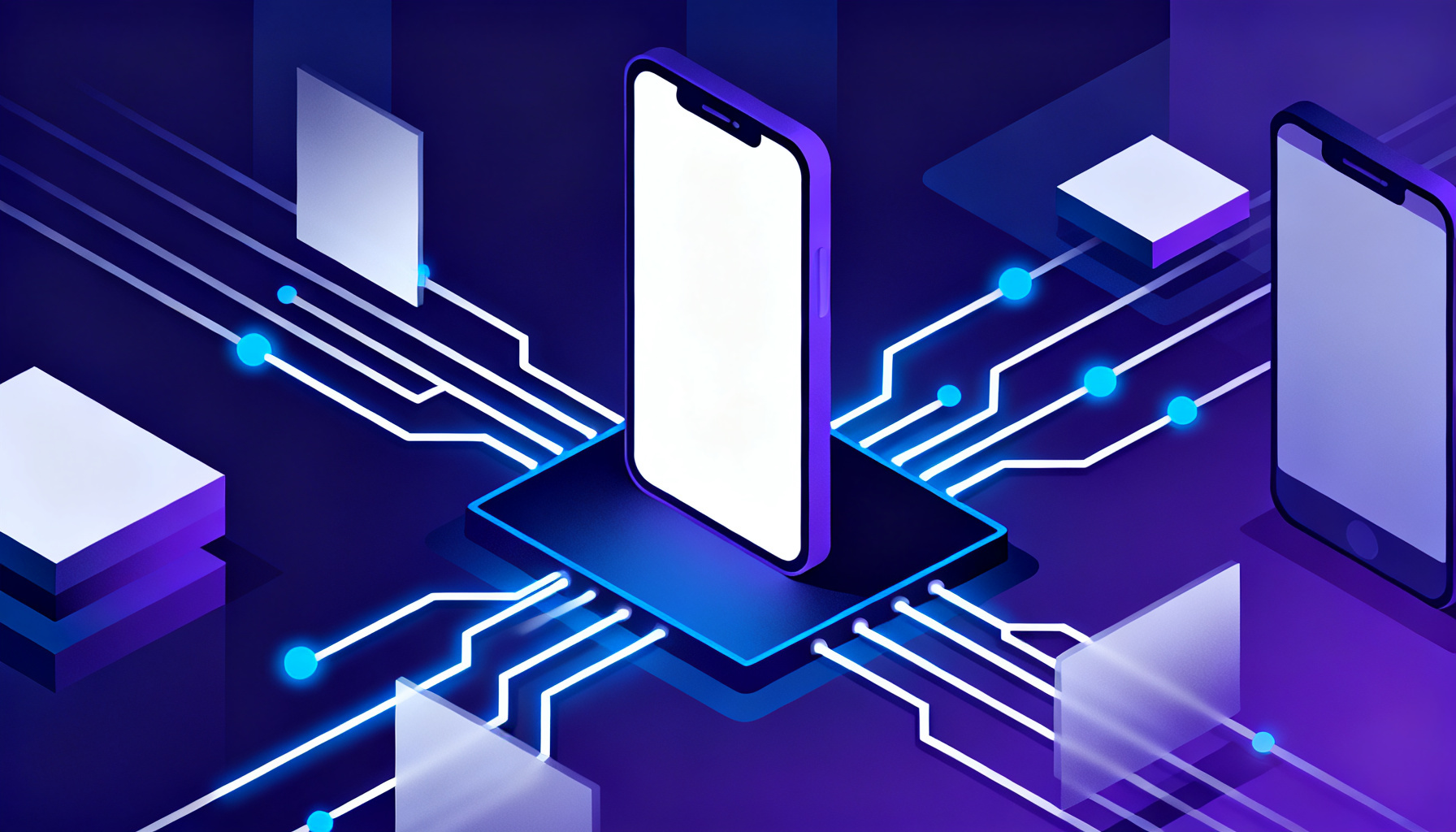
Disposable phone numbers, also known as temporary or virtual phone numbers, rely on a sophisticated technical infrastructure that seamlessly integrates telecommunication networks, cloud computing, and software-defined routing. This infrastructure allows users to receive SMS messages and calls without revealing their personal phone numbers, ensuring privacy and convenience. To understand how these services operate, it’s essential to explore the core components and network systems that power disposable phone numbers.
Virtual Number Provisioning and Management
At the heart of disposable phone number services lies the concept of virtual phone numbers. These numbers are not tied to a physical SIM card or traditional phone line; instead, they exist purely in software and are provisioned on cloud telephony platforms. Providers acquire ranges of phone numbers from telecom carriers worldwide, including local numbers from regions such as the United States, the United Kingdom, or India. These numbers are then virtualized and made available to users on demand.
The management system maintains a dynamic database of available numbers, their allocation status, and associated user sessions. When a user requests a disposable number, the system assigns an available number and sets an expiration timer, after which the number is recycled back into the pool.
Cloud-Based Telephony and Routing Architecture
Virtual phone numbers rely on cloud telephony infrastructure that can handle millions of simultaneous inbound and outbound communications. This infrastructure uses software-defined networking (SDN) and virtual switching to route SMS and voice traffic efficiently.
When an SMS is sent to a disposable number, it is received by the telecom carrier’s gateway and forwarded to the service provider’s cloud platform via secure SIP or SMPP protocols. Inside the cloud, virtual routing logic determines the correct user session and delivers the message via APIs or webhooks to the user’s application or dashboard.
Advanced routing algorithms ensure that messages are delivered with minimal latency and high reliability, even during peak usage times. This is crucial for services like Google SMS OTP verification, where timely delivery is essential for user authentication.
SMS Handling and API Integration
Disposable phone number platforms provide RESTful APIs that allow developers to programmatically rent numbers, receive SMS messages, and manage number lifecycles. These APIs abstract the complexity of telecom protocols, providing simple JSON endpoints for sending and receiving messages.
Behind the scenes, SMS messages are parsed, stored temporarily, and linked to the user’s session. Users can view these messages through web apps or integrate them into their workflows using API endpoints documented in the API documentation.
For developers integrating disposable numbers into their apps, testing in the API playground environment helps simulate SMS routing and message retrieval without using real numbers.
Security and Privacy Considerations
Since disposable phone numbers are often used for sensitive verification tasks, the infrastructure incorporates multiple layers of security. Data encryption protects messages in transit and at rest, while access controls prevent unauthorized retrieval of SMS content. Additionally, number recycling policies ensure that once a number expires, all associated message data is purged to prevent leaks.
While disposable numbers enhance privacy, they are not immune to misuse. Providers monitor for suspicious activity and may block numbers involved in spam or fraud to maintain service quality and compliance with telecom regulations.
Scalability and Geographic Reach
To serve a global user base, disposable phone number services maintain partnerships with multiple telecom carriers and aggregators worldwide. This multi-carrier approach enables broad geographic coverage and redundancy. When a user requests a disposable number from a specific country, such as Germany or Russia, the platform dynamically routes requests to the appropriate carrier network.
Scalability is achieved through cloud-native architectures that leverage container orchestration and autoscaling. This ensures that the system can handle sudden spikes in demand, such as during large-scale SMS OTP verification campaigns for platforms like Telegram verification.
Summary of Key Infrastructure Components
Cloud Telephony Platform
Hosts virtual numbers, manages routing, and processes SMS traffic.
Virtual Routing Engine
Directs incoming messages to user sessions with low latency and high reliability.
Security Layer
Ensures encrypted message transmission and secure access controls.
Global Carrier Network
Provides diverse phone number pools and broad geographic coverage.
Understanding the technical infrastructure behind disposable phone numbers highlights the complexity and innovation involved in delivering secure, scalable, and user-friendly virtual phone number services. Whether used for one-time verification or temporary communication, these systems blend telecom expertise with cloud computing to offer seamless connectivity without compromising privacy.
Types of Disposable Phone Numbers and Their Variations

Disposable phone numbers come in several distinct types, each tailored to different use cases, privacy needs, and technical constraints. Understanding these types is crucial whether you’re a developer integrating phone verification via an API, a business seeking to protect customer data, or an individual wanting secure, temporary communication channels.
At the most fundamental level, disposable phone numbers are categorized based on their lifespan and usage scope. These primary categories include single-use numbers, multi-use numbers, and region-specific numbers. Each has unique characteristics and implications for security, convenience, and cost.
Single-Use Disposable Numbers
Single-use numbers are designed for one-time interactions such as verifying an account or receiving an OTP (One-Time Password). After the verification or message receipt, these numbers are typically discarded or recycled. This ensures maximum privacy and limits exposure to spam or tracking. For example, when registering on platforms like WhatsApp or Telegram, a single-use number can help maintain anonymity without long-term commitments.
Multi-Use Disposable Numbers
Multi-use numbers can be used repeatedly over a longer period for multiple verifications or communications. They are ideal for users who require temporary but ongoing phone access—for instance, freelancers or small businesses managing multiple clients without revealing their personal number. These numbers often come with features like call forwarding or SMS history, enhancing practicality.
Region-Specific Disposable Numbers
These numbers are tied to specific geographic locations or country codes, such as  United States,
  United Kingdom, or
  India. This variation is especially useful for businesses or users who want to establish a local presence or comply with regional verification requirements. Regional disposable numbers also help in avoiding geo-restrictions on services requiring phone verification.
Beyond these main categories, there are several noteworthy variations and technical distinctions worth considering:
- SMS-Only vs. Voice-Enabled Numbers: Some disposable numbers support only SMS reception, suitable for OTP and text verification, while others allow voice calls, enabling two-way communication or voice-based verification.
- Shared vs. Dedicated Numbers: Shared numbers are used by multiple users sequentially or simultaneously, which may carry risks of message overlap or privacy concerns. Dedicated numbers are assigned exclusively to one user, offering enhanced security and reliability.
- Temporary vs. Long-Term Disposable Numbers: Temporary numbers are active for a few minutes to days, perfect for rapid verification. Long-term disposable numbers remain active for weeks or months, useful for ongoing projects or communication.
For developers integrating disposable number verification, platforms often provide region-specific APIs and SDKs to manage number allocation, message retrieval, and lifecycle management. Check out our API Playground for hands-on experimentation.
Choosing the right type of disposable number depends on your use case: single-use numbers excel for quick sign-ups, multi-use numbers suit ongoing communication needs, and region-specific numbers ensure compliance with local regulations and improve deliverability.
In practical terms, these variations enable a flexible approach to privacy and communication management. For instance, a user signing up for a new service might opt for a single-use, SMS-only disposable number from their country to quickly receive an OTP without revealing their real number. Meanwhile, a startup might acquire multi-use, voice-enabled numbers from multiple regions to handle customer onboarding and support efficiently.
Understanding these types also helps in evaluating pricing and service options. Some providers charge differently based on the number type, region, or feature set. Visit our Pricing page for detailed plans and options tailored to various disposable number categories.
Step-by-Step Guide to Using Disposable Phone Numbers Effectively
- Step 1 — Choose the Right ProviderStart by selecting a reliable disposable phone number service that fits your needs. Consider factors such as geographic coverage, number types (mobile, landline, or VoIP), pricing, and API availability. For example, if you need numbers for WhatsApp or Telegram verification, explore specialized services like the WhatsApp SMS OTP verification or Telegram SMS OTP verification offerings. This ensures compatibility and ease of integration.
- Step 2 — Select Your Disposable NumberAfter registering on your chosen platform, browse available numbers by country or region. Depending on your use case, you might select a virtual number from specific countries such as the United States, United Kingdom, or India. This geographic targeting can help when verifying services that restrict sign-ups to certain locations.
- Step 3 — Activate and Assign the NumberOnce you've selected a disposable number, activate it through the provider’s dashboard or API. Activation typically involves confirming the number is ready to receive SMS or calls. For developers automating workflows, integrating with the provider’s API documentation or testing via the API playground can streamline number management and SMS retrieval.
- Step 4 — Use the Number for Verification or CommunicationUse your disposable number to receive SMS or OTP codes when registering for websites, apps, or services. This step protects your primary phone number from spam and unwanted marketing. For example, if you’re signing up for Google services, leveraging a disposable number compatible with the Google SMS OTP verification can simplify the process.
- Step 5 — Monitor Incoming MessagesCheck the disposable number’s inbox either through the provider’s web interface or programmatically via API calls to retrieve verification codes. Prompt retrieval is essential as many verification codes expire quickly. Some providers offer real-time SMS forwarding or notifications to enhance responsiveness.
- Step 6 — Manage and Rotate NumbersDispose of or recycle numbers after use to maintain privacy and security. Many providers allow you to release numbers back to the pool or keep them active for a set period. If you regularly need new numbers, consider subscription plans detailed on the pricing page to optimize costs. Efficient number rotation prevents reuse-related issues and reduces the risk of account lockouts.
- Step 7 — Secure and Store CredentialsKeep track of which disposable numbers correspond to which accounts or services to avoid confusion. Use secure password managers or encrypted spreadsheets. This organizational step is crucial for managing multiple accounts, especially in professional or testing environments.
Automate disposable number acquisition and SMS retrieval using provider APIs to integrate smoothly into your workflows. This is especially useful for developers or businesses handling high volumes of verifications.
Remember that disposable phone numbers are intended for temporary use and may not support voice calls or long-term account recovery. Always verify the features of your chosen number type before relying on it for critical communications.
Cost and Pricing Models for Disposable Phone Numbers
Disposable phone numbers serve a vital role in privacy protection, account verification, and temporary communications. Understanding their cost and pricing models is essential for both casual users and businesses integrating these services into their workflows. Pricing can vary widely depending on the provider, features, and intended use, but generally falls into three main categories: pay-per-use, subscription-based, and free options.
1. Pay-Per-Use Model
The pay-per-use pricing model charges users based on the number of disposable phone numbers rented or messages received. This approach is popular among users who require numbers sporadically or for short-lived projects without committing to ongoing fees.
Users purchase credits or pay a fixed fee each time they acquire a disposable number or receive a verification SMS. The cost per number can fluctuate based on country, carrier, and service features.
Pros:
- Flexibility: Pay only for what you use, ideal for occasional needs.
- No long-term commitment: No subscription ties or recurring fees.
- Cost control: Easy to budget for single or small batches of verifications.
Cons:
- Can become expensive at scale, especially if many verifications are needed.
- Some providers charge extra fees for premium numbers or additional features like SMS forwarding.
For example, developers integrating phone verification via APIs might use pay-per-use numbers from services listed under API documentation for quick testing or low-volume production needs.
2. Subscription-Based Model
Subscription plans offer users a fixed monthly or annual fee in exchange for a set number of disposable numbers or messages. This model suits businesses and power users who require continuous or high-volume access without unpredictable costs.
Subscriptions often include tiered packages that provide increasing numbers of phone numbers, longer rental durations, and sometimes additional perks like multi-country support or integration with platforms such as WhatsApp and Telegram.
Pros:
- Predictable monthly expenses simplify budgeting.
- Better value for high-volume users or ongoing projects.
- Access to premium features, including virtual number selection from different countries such as the USA, UK, or India.
Cons:
- Less cost-effective for infrequent users or one-time verifications.
- Potentially locked into contracts or minimum commitments.
Businesses integrating SMS OTP verification services for user onboarding often subscribe to plans tailored for their scale, such as those available through our pricing page, to optimize cost efficiency and reliability.
3. Free Disposable Phone Numbers
Several online platforms offer free disposable phone numbers as a no-cost alternative. These numbers typically provide basic SMS reception capabilities for verification without any fee.
While free options can be attractive, they come with significant limitations and risks, including limited availability, shared numbers, lack of privacy, and potential blocking by some services.
Pros:
- No monetary cost, making them accessible to anyone.
- Useful for casual or experimental purposes.
Cons:
- Numbers may be reused by multiple users, risking exposure of sensitive data.
- Often blocked by major platforms due to abuse or spam concerns.
- Limited customer support and unreliable uptime.
Free disposable numbers are generally not recommended for critical applications such as secure account verification or business communications. For more reliable and secure usage, paid options are preferred.
When choosing a provider, consider your use case carefully: if you need disposable numbers for automated verification at scale, explore subscription plans with flexible APIs documented in our API playground to streamline integration and cost management.
Additional Pricing Factors to Consider
Beyond the core pricing models, several other factors can influence the overall cost of disposable phone numbers:
- Geographic region: Numbers from certain countries, like the US or UK, typically cost more due to telecom regulations and demand. Check options such as Germany or Russia for regional pricing variations.
- Number type: Mobile numbers usually cost more than landlines or toll-free numbers but are more widely accepted for verification.
- Rental duration: Some providers charge more for longer-term rentals, while others offer discounts for extended use.
- Message volume: Bulk SMS reception or sending may be priced differently, with volume discounts available.
Understanding these nuances helps optimize your expenses while ensuring the disposable phone number service meets your reliability and privacy needs.
Common Issues and Troubleshooting Disposable Phone Numbers
Disposable phone numbers are a convenient tool for many online activities, from account verification to privacy protection. However, like any technology, users may encounter certain issues that can disrupt their experience. Understanding these common problems and knowing how to troubleshoot them can save time and frustration. This section explores typical challenges with disposable phone numbers and offers practical solutions to ensure smooth usage.
Disposable phone numbers are temporary and often shared among multiple users, which can lead to limitations such as blocked verification attempts or delayed SMS delivery. Recognizing these inherent characteristics helps set realistic expectations.
1. SMS Verification Failures
One of the most frequent issues users face is failing to receive the verification code when using a disposable phone number. This can happen for several reasons:
- Service restrictions: Some platforms detect and block numbers from known disposable number providers to prevent abuse.
- Carrier filtering: Mobile carriers or SMS gateways may filter out messages sent to or from disposable numbers.
- High traffic on a single number: Since disposable numbers are often reused, they may be temporarily overloaded, causing delays or missed messages.
To improve success rates for SMS verification, use disposable numbers from reputable services with a large pool of fresh numbers or consider country-specific options like USA virtual numbers or UK virtual numbers for better compatibility.
2. Number Blacklisting and Blocking
Some online services maintain blacklists of known disposable phone numbers to prevent fraudulent registrations. When a number is blacklisted:
- Verification attempts may be outright rejected.
- Accounts linked to these numbers might face restrictions or suspension.
It’s important to choose disposable number providers that frequently refresh their number pools to avoid using blacklisted numbers.
Repeated attempts with blacklisted disposable numbers can lead to temporary IP bans or account lockouts on the target platform.
3. Number Recycling and Message Overlap
Because disposable phone numbers are reused, you might receive SMS messages intended for previous users, which can cause confusion or privacy concerns. This is especially critical when dealing with sensitive accounts.
For sensitive verifications, consider using services that offer dedicated or semi-dedicated disposable numbers to minimize message overlap and improve security.
4. Expired or Inactive Numbers
Disposable numbers typically have a limited lifespan. If you attempt to use an expired number, the verification SMS may never arrive, or the number may no longer be listed on the provider’s platform.
- Always confirm the number’s validity and remaining active time before use.
- Refresh or change numbers if you encounter delivery failures.
5. Delays in Receiving SMS
Sometimes SMS messages to disposable numbers arrive with delays due to network latency, provider congestion, or routing issues. This can cause timeouts during verification processes.
Allow extra time for SMS delivery and avoid requesting multiple verification codes rapidly, as this can trigger rate limiting or temporary blocking from the service.
Practical Troubleshooting Steps
- Step 1 — Verify Number StatusCheck if the disposable number is active and has not expired through your provider’s dashboard or API.
- Step 2 — Choose the Right Number TypeOpt for country-specific or dedicated disposable numbers when possible, such as those offered in the India virtual number or Germany virtual number categories.
- Step 3 — Monitor SMS DeliveryUse real-time SMS monitoring tools or APIs to track incoming messages and detect any delays or failures promptly.
- Step 4 — Avoid Rapid RequestsLimit the frequency of verification requests to prevent triggering anti-spam or anti-fraud protections on target platforms.
- Step 5 — Contact SupportIf problems persist, reach out to your disposable number provider’s support team for assistance or consult their API documentation for troubleshooting endpoints.
By recognizing these common issues and applying the recommended solutions, users can greatly enhance their experience with disposable phone numbers. Whether you’re verifying accounts on platforms like WhatsApp or Telegram, or using SMS OTP services, selecting the right number and managing expectations are key. For more detailed options and pricing, visit our Pricing and Services pages to find the best fit for your needs.
Comparing Disposable Phone Numbers with Traditional and Virtual Numbers
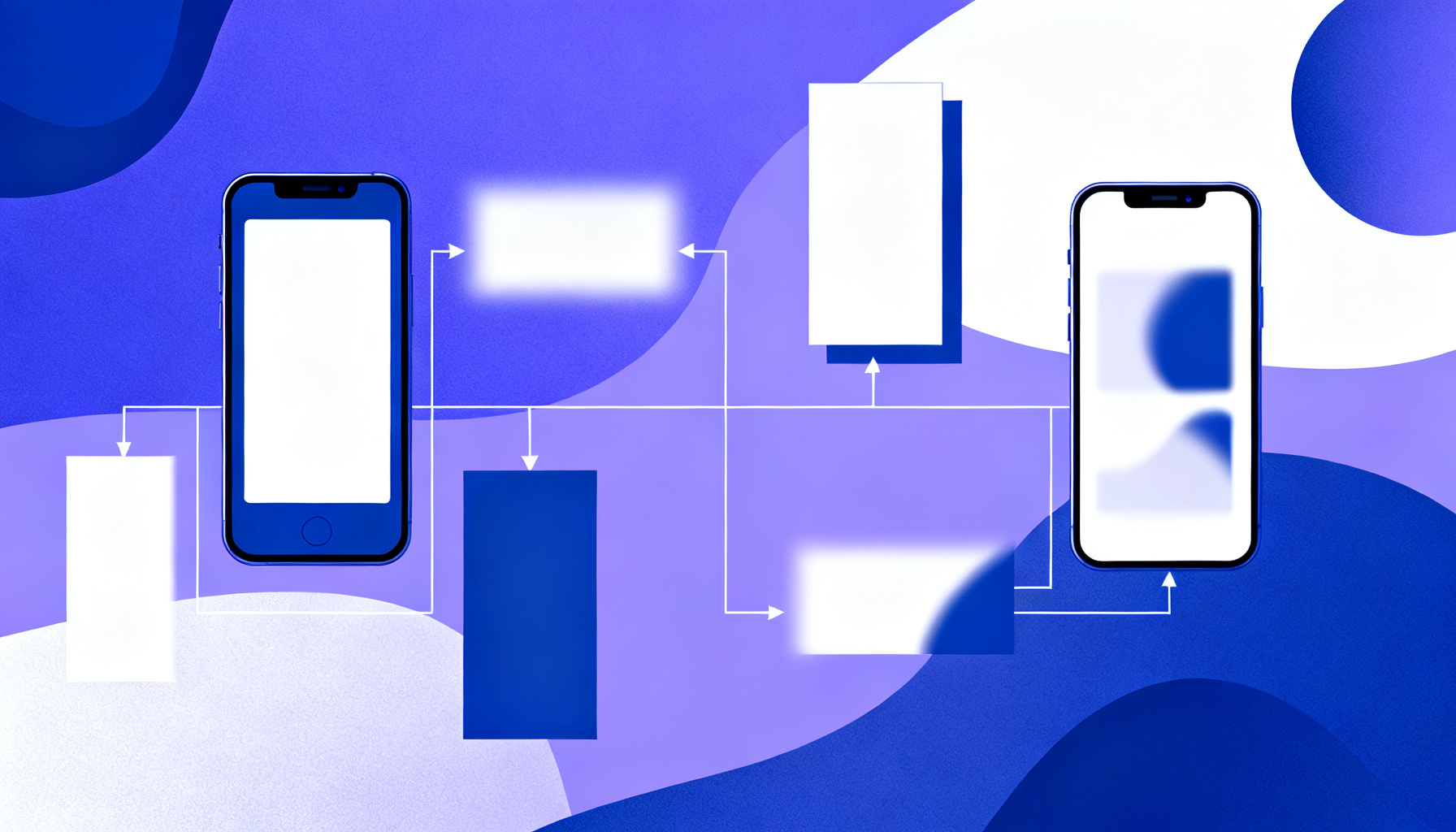
When navigating the world of telephony, understanding the distinctions between disposable phone numbers, traditional phone numbers, and virtual phone numbers is essential. Each type serves different purposes, offers unique features, and has its own set of limitations. This section explores these differences at a basic, technical, and practical level to help you choose the right phone number solution for your needs.
Traditional Phone Numbers
These are the classic phone numbers linked to physical SIM cards or landlines, provided by telecom carriers. They offer reliability, permanence, and are typically used for personal or business communication. Traditional numbers support voice calls, SMS, and sometimes fax, but setup and management often require contracts and physical hardware.
Virtual Phone Numbers
Virtual numbers are cloud-based and not tied to a physical device. They can forward calls and messages to any device, allowing flexibility for businesses with remote teams or those seeking local presence in multiple regions. Virtual numbers often integrate with APIs and communication platforms, making them ideal for scalable and automated workflows.
Disposable Phone Numbers
Disposable phone numbers are temporary numbers used primarily for short-term verification, privacy protection, or one-time interactions. They expire after a limited period or a set number of uses. These numbers help avoid spam, protect identity, and facilitate anonymous sign-ups or verifications, especially useful in online services.
Key Differences in Usage and Features
| Feature | Traditional Numbers | Virtual Numbers | Disposable Numbers |
|---|---|---|---|
| Duration | Permanent | Permanent or long-term | Temporary, often minutes to days |
| Setup | Requires SIM or landline installation | Online provisioning via service providers | Instant activation, no physical device |
| Use Cases | Personal, business calls, SMS | Remote teams, customer support, marketing | Verification, privacy, one-time communication |
| Cost | Monthly plans, contracts | Flexible pricing, pay-as-you-go options | Low cost or free, pay per use |
| Privacy | Low – linked to identity | Moderate – can mask real number | High – disposable and anonymous |
| Integration | Limited API support | Strong API and platform integration | API support for verification services |
For developers implementing phone verification workflows, combining virtual or disposable numbers with API services like WhatsApp SMS OTP or Telegram SMS OTP can streamline user onboarding while maintaining security.
Practical Considerations When Choosing a Number Type
Traditional numbers remain the gold standard for consistent, long-term communication. They are indispensable for businesses that require a fixed contact point and legal traceability. However, the setup complexity and cost might be overkill for short-term or privacy-focused needs.
Virtual numbers provide excellent flexibility. They are ideal for companies expanding internationally, offering local numbers in regions like the United States, United Kingdom, or India. Virtual numbers support advanced features such as call routing and SMS automation, making them well-suited for customer support and marketing campaigns.
Disposable phone numbers shine when privacy and immediacy are priorities. For example, when signing up for online services, you may want to avoid sharing your permanent number to prevent spam or data leaks. Disposable numbers allow quick identity verification without long-term commitments. However, their temporary nature means they are unsuitable for ongoing communication or official business use.
While disposable numbers offer privacy benefits, some platforms disallow their use for account verification due to abuse concerns. It’s important to check service policies and consider using reputable providers that support compliant usage.
Technical Insights Into Number Management
From a technical standpoint, traditional numbers are managed through the Public Switched Telephone Network (PSTN) and require physical infrastructure. Virtual numbers leverage Voice over IP (VoIP) technology and cloud telephony platforms to route calls and messages digitally. Disposable numbers are often dynamically allocated from pools maintained by providers and managed via APIs that handle lifecycle events such as activation, expiration, and message forwarding.
For developers and businesses interested in integrating these solutions, exploring the SMSVerifier API documentation and testing in the API playground can accelerate implementation and customization. This is particularly useful for automating verification flows or managing large volumes of temporary numbers efficiently.
Best Practices for Using Disposable Phone Numbers Safely
Disposable phone numbers offer a versatile and convenient way to protect your privacy, verify accounts, and manage communications without exposing your primary phone number. However, to truly harness their benefits while maintaining security, it’s essential to follow best practices that minimize risks such as data breaches, account lockouts, or unauthorized access.
At a basic level, disposable phone numbers act as a shield, preventing your personal number from being shared with unknown parties or malicious actors during online registrations or one-time verifications. Yet, this protective layer can only be effective if used thoughtfully and securely.
Always choose disposable number services that support encrypted connections and provide clear data retention policies to reduce exposure to interception or misuse.
1. Select Reputable Providers with Transparent Policies
Not all disposable phone number services are created equal. Opt for providers that have a proven track record of reliability, privacy, and compliance with data protection standards. Reviewing the pricing and terms of service can provide insights into how your data is handled and for how long numbers remain active.
For example, if you frequently require numbers from specific countries, services offering virtual numbers from locations such as the United States, United Kingdom, or India are preferable as they often have better integration with popular platforms and enhanced security features.
2. Limit Usage to Temporary and Non-Sensitive Transactions
Disposable numbers are ideal for one-time verifications, such as SMS OTPs (One-Time Passwords) for account creation or app authentication. However, avoid using them for sensitive or long-term accounts like banking, government services, or healthcare portals where permanent contact details are required for security and legal reasons.
When using services like Google SMS OTP verification or Telegram SMS OTP verification, ensure the disposable number is active and accessible during the entire verification process to avoid losing access to your accounts.
3. Use Unique Disposable Numbers for Different Services
To enhance privacy and reduce cross-service tracking, use a unique disposable number for each website or app registration. This segmentation helps contain any potential data leaks or spam to a single channel rather than exposing your entire communication history.
Many platforms provide API integrations, such as those documented in the API documentation and interactive API playground, allowing developers to programmatically generate and manage disposable numbers tailored for specific use cases.
4. Monitor Number Activity and Expiry Closely
Disposable phone numbers typically have a limited lifespan. Keep track of when numbers expire and ensure they are deactivated or discarded promptly after use. This practice prevents unauthorized access through abandoned numbers and reduces the risk of receiving unexpected messages or calls after the intended period.
Failing to monitor the expiration of disposable numbers can lead to account recovery vulnerabilities if someone else obtains the recycled number.
5. Avoid Sharing Disposable Numbers in Public or Untrusted Forums
While disposable numbers are designed for privacy, sharing them publicly or in untrusted environments can still expose you to spam, phishing attempts, or social engineering attacks. Treat these numbers with a similar level of caution as you would your primary phone number.
6. Combine Disposable Numbers with Additional Security Measures
For enhanced protection, pair disposable phone numbers with multi-factor authentication (MFA) methods that don’t rely solely on SMS, such as authenticator apps or hardware tokens. This layered approach mitigates risks arising from SMS interception or SIM swapping attacks.
Services like SMSVerifier offer comprehensive options for disposable numbers alongside robust verification APIs to help implement secure, scalable phone number verification workflows.
7. Understand Legal and Compliance Considerations
Depending on your jurisdiction and use case, using disposable phone numbers may have regulatory implications. For businesses, ensure that your usage aligns with data privacy laws such as GDPR or CCPA, especially when handling customer information or conducting financial transactions.
Consult legal expertise if you plan to integrate disposable numbers into critical systems or customer-facing services.
Summary
By carefully selecting trusted providers, limiting disposable number usage to appropriate scenarios, managing lifecycle and activity, and supplementing with additional security layers, you can maximize privacy and minimize risks effectively. Whether you’re verifying accounts on social platforms, testing apps, or managing temporary communications, these best practices form the foundation for safe and responsible use of disposable phone numbers.
Advanced Features and Future Trends in Disposable Phone Numbers
Disposable phone numbers have evolved far beyond their original purpose of providing temporary anonymity or bypassing verification hurdles. Today, advanced features and emerging technologies are shaping a new era of versatile, secure, and user-friendly disposable number services. Understanding these innovations is essential for businesses and individuals who rely on SMS verification, privacy protection, or scalable communication solutions.
Enhanced Privacy with End-to-End Encryption
While disposable numbers inherently protect user identity, the integration of end-to-end encryption protocols in SMS and voice channels is becoming standard. This advancement ensures that messages and calls routed through disposable numbers remain confidential, even from service providers, enhancing trust in sensitive transactions such as account recovery or financial verifications.
AI-Powered Spam and Fraud Detection
Cutting-edge disposable number platforms now leverage artificial intelligence to detect and block fraudulent activities in real-time. Machine learning algorithms analyze patterns of suspicious message content, frequency, and origin, preventing abuse of virtual numbers for scams or spam campaigns. This proactive defense improves the reliability and reputation of disposable number services.
Global Number Portability and Multi-Channel Support
Future disposable phone number services are embracing global portability, allowing users to choose numbers from various countries—such as USA, UK, Germany, India, and Russia—and switch between them seamlessly. Additionally, integration with popular messaging platforms like WhatsApp and Telegram is becoming more common, providing a unified communication experience. For example, combining disposable numbers with WhatsApp SMS OTP verification or Telegram SMS OTP verification enhances both reach and security.
From a technical standpoint, the deployment of cloud-native architectures and serverless computing is accelerating the scalability and responsiveness of disposable number services. This means providers can dynamically allocate phone number resources based on demand, minimizing latency and reducing costs. Additionally, API-first designs with comprehensive documentation—accessible via portals like API Docs and API Playground—empower developers to integrate disposable number functionality directly into their applications, automating workflows such as SMS OTP verification or temporary communication channels.
When selecting a disposable phone number provider, consider platforms that offer robust API support and multi-country number options to future-proof your integrations and expand your global reach effortlessly.
Looking ahead, emerging trends indicate a convergence of disposable phone numbers with decentralized identity (DID) solutions and blockchain technology. This fusion aims to provide users with greater control over their digital identities while maintaining privacy through verifiable credentials. Moreover, advances in number recycling algorithms will optimize the lifecycle of disposable numbers, balancing availability with abuse prevention.
Practically, businesses can expect disposable phone number services to become a cornerstone of secure customer onboarding and fraud mitigation strategies. For example, integrating disposable numbers with multi-factor authentication systems—such as Google SMS OTP verification services—will reinforce account security without compromising user convenience. Meanwhile, individuals will benefit from more intuitive apps and dashboards that make managing temporary numbers as simple as toggling a switch.
As disposable phone number technology continues to advance, staying informed about new features and trends will ensure users maximize the benefits of this powerful tool while navigating the evolving landscape of digital communication and security.
Legal and Regulatory Considerations for Disposable Phone Numbers

Disposable phone numbers have become an essential tool for enhancing privacy, enabling secure communications, and facilitating temporary verification processes. However, their usage is subject to a complex landscape of legal and regulatory frameworks that vary significantly across jurisdictions. Understanding these considerations is critical for both users and service providers to ensure compliance and avoid unintended legal consequences.
At a fundamental level, disposable phone numbers serve as temporary proxies, allowing individuals or businesses to mask their real phone numbers. While this offers privacy benefits, regulators often scrutinize these services to prevent misuse such as fraud, spam, or circumvention of lawful surveillance. Various laws govern the collection, storage, and transmission of data associated with these numbers, which can include personal information and communication records.
In many regions, including the European Union under the General Data Protection Regulation (GDPR), and the California Consumer Privacy Act (CCPA) in the United States, the handling of personal data linked to disposable numbers must meet strict standards. This includes obtaining user consent, ensuring data minimization, and providing mechanisms for data access and deletion.
From a technical standpoint, providers of disposable phone numbers often implement robust encryption and anonymization techniques to protect user data. However, they must also maintain records for a legally mandated period in some countries to assist law enforcement investigations. This dual requirement creates challenges in balancing user privacy with regulatory obligations.
Practically, users should be aware that disposable phone numbers may not be accepted for all types of verification or services due to regulatory restrictions. For example, financial institutions and government agencies often require verified, permanent numbers to comply with Know Your Customer (KYC) and Anti-Money Laundering (AML) regulations. This means disposable numbers are typically more suited for less sensitive verifications, such as social media accounts or temporary app registrations.
Additionally, telecommunications regulations vary widely. Some countries regulate the issuance and usage of virtual numbers stringently, requiring licensing or registration of providers. In contrast, other regions have more relaxed rules, allowing easier access to disposable numbers. This disparity affects international users and businesses relying on disposable phone numbers for global operations.
When integrating disposable phone number verification into your applications, consider services that comply with local regulations and offer transparent data handling policies. For example, SMSVerifier’s API documentation provides detailed compliance information for different regions, helping developers navigate regulatory hurdles effectively.
Law enforcement and anti-fraud agencies are increasingly focusing on disposable numbers due to their potential misuse in scams, spam campaigns, and identity fraud. As a result, some jurisdictions have introduced or are considering legislation to restrict anonymous or temporary phone numbers. Service providers must stay updated with these changes to adapt their offerings accordingly.
Using disposable phone numbers to bypass legal restrictions, commit fraud, or impersonate others can lead to serious legal consequences, including fines and criminal charges. Always use these services responsibly and within the bounds of applicable laws.
For businesses leveraging disposable phone numbers, compliance also means maintaining transparent user agreements and clear communication about the limitations and intended use cases of these numbers. This transparency helps users make informed decisions and mitigates reputational risks.
In summary, the legal and regulatory landscape surrounding disposable phone numbers is multifaceted and evolving. Users and providers must navigate data privacy laws, telecommunications regulations, and anti-fraud measures while balancing the benefits of anonymity and security. By choosing compliant services and understanding local laws, you can safely harness the advantages of disposable phone numbers for your verification and communication needs.
Frequently Asked Questions About Disposable Phone Numbers
What exactly is a disposable phone number?
How do disposable phone numbers work technically?
Are disposable phone numbers legal to use?
Can I receive verification codes from services like WhatsApp or Google on disposable numbers?
How long do disposable phone numbers stay active?
Can I use disposable phone numbers for voice calls?
Are disposable phone numbers secure?
Can businesses use disposable phone numbers?
How do I get started with disposable phone numbers?
For developers and businesses, leverage disposable phone numbers through API integration to automate verification processes and scale your operations securely. Experiment with the API playground to test features before deployment.
Frequently asked questions
What is a disposable phone number?
How long do disposable phone numbers last?
Can disposable phone numbers be used for SMS verification?
Are disposable phone numbers anonymous?
Do disposable phone numbers support voice calls?
Can I use disposable phone numbers for social media accounts?
Are disposable phone numbers legal to use?
How much do disposable phone numbers cost?
Can disposable phone numbers be reused?
What are the risks of using disposable phone numbers?
How do I choose a reliable disposable phone number provider?
Can disposable phone numbers be used internationally?
What happens to my data when using disposable phone numbers?
Are disposable phone numbers compatible with two-factor authentication?
How do disposable phone numbers differ from virtual phone numbers?
Get started with SMSVerifier
Buy your first virtual phone number in under 60 seconds — pay as you go from $0.20 per SMS.
Create free account