eSIM and digital SIM verification enable secure, remote provisioning and authentication of mobile identities without physical SIM cards, enhancing flexibility and security for users and service providers.
What Is eSIM and Digital SIM Verification and Why It Matters
In the evolving landscape of mobile technology, eSIM (embedded SIM) and digital SIM verification have emerged as pivotal innovations that redefine how devices connect to cellular networks. Unlike traditional physical SIM cards, an eSIM is a programmable SIM chip embedded directly into a device’s hardware. This shift enables users and service providers to activate, switch, or manage mobile network subscriptions remotely without the need for physical SIM swapping.
Digital SIM verification refers to the process of authenticating the identity and legitimacy of these embedded SIM profiles through secure, network-based protocols. This verification ensures that the eSIM is correctly provisioned, belongs to the intended user, and is authorized to access the network services. It plays a critical role in preventing fraud, unauthorized access, and SIM swapping attacks, which are increasingly prevalent as mobile devices become gateways to sensitive personal and financial data.
Whereas traditional SIM cards function as removable physical tokens for network access, eSIMs are integrated chips that store multiple carrier profiles digitally, enabling seamless profile management and enhanced device design flexibility.
From a technical standpoint, eSIMs comply with GSMA standards that define the architecture and security protocols for remote SIM provisioning (RSP). This involves encrypted communication between the device, mobile network operators (MNOs), and subscription management platforms. The digital SIM verification process authenticates these communications to confirm that the eSIM’s profile originates from a trusted source and has not been tampered with during download or activation.
Security Enhancement
eSIM verification leverages cryptographic keys and secure elements to prevent unauthorized cloning or profile manipulation, safeguarding user identity and mobile account integrity.
Global Connectivity
With eSIMs, users can switch carriers or data plans internationally without physical SIM changes, supporting seamless roaming and multi-network access.
Operational Efficiency
Remote provisioning and digital verification streamline carrier onboarding and device activation, reducing costs and delays associated with physical SIM distribution.
Practically, digital SIM verification is essential for device manufacturers, mobile operators, and service providers who rely on trusted identity confirmation to enable services such as secure mobile payments, two-factor authentication via SMS OTP, and access to encrypted communication platforms. For example, SMS verification services like WhatsApp SMS OTP verification or Telegram SMS OTP verification depend on the integrity of the mobile number’s SIM profile, which is increasingly managed through eSIM technology.
Integrating eSIM digital verification with your app’s authentication flow enhances security by ensuring that phone numbers and device identities are validated at the network level, reducing fraud risks.
Moreover, the adoption of eSIMs supports the Internet of Things (IoT) ecosystem by enabling compact devices—such as wearables, connected cars, and smart appliances—to maintain reliable cellular connectivity without bulky SIM slots. Digital SIM verification guarantees these devices maintain authorized network access, critical for operational reliability and data privacy.
While eSIM technology offers many benefits, its security depends heavily on robust verification mechanisms. Weak or absent digital SIM verification can expose users to SIM swapping attacks, where malicious actors hijack phone numbers to intercept OTPs or bypass two-factor authentication.
In summary, eSIM and digital SIM verification form the backbone of modern mobile connectivity security. They enable flexible, efficient, and secure management of mobile identities, ensuring users and providers can trust that device connections are authentic and protected. As mobile ecosystems continue to shift towards software-defined connectivity, understanding and implementing these verification processes is critical for anyone involved in mobile communications, application security, or digital identity management.
How eSIM Technology Works Under the Hood
At the core of eSIM technology lies a sophisticated blend of embedded hardware and advanced remote provisioning protocols that redefine how mobile devices connect to cellular networks. Unlike traditional SIM cards, which are physical chips you insert and swap, eSIMs are embedded directly into the device's motherboard. This embedded SIM chip securely stores multiple network profiles and can switch between them without needing to physically remove or replace hardware.
The embedded hardware element of an eSIM is a tamper-resistant secure element (SE) designed to safely hold sensitive credentials such as the International Mobile Subscriber Identity (IMSI) and associated encryption keys. This secure element is compliant with stringent security standards to prevent unauthorized access or cloning, ensuring that your device’s cellular identity remains protected.
The secure element inside an eSIM chip acts like a vault, safeguarding network credentials and enabling seamless authentication with mobile carriers.
But the real innovation happens through the process known as remote SIM provisioning (RSP). This is a standardized mechanism defined by the GSMA that allows mobile network operators to remotely install, manage, and delete SIM profiles on an eSIM-enabled device over the air (OTA). When you activate an eSIM plan, your device connects securely to the carrier’s subscription manager server to download the digital SIM profile.
- Step 1 — Device InitializationThe device’s eSIM chip is recognized by the operating system, preparing it to receive remote profiles.
- Step 2 — Profile DownloadUsing encrypted channels, the device contacts the carrier’s subscription manager to securely download the SIM profile.
- Step 3 — Profile ActivationOnce downloaded, the eSIM profile is activated internally, allowing the device to register on the mobile network.
This entire process happens seamlessly, without the user needing to handle physical SIM cards or visit a store. From a practical standpoint, this means users can switch carriers, add new plans, or manage multiple subscriptions directly from their device settings. For enterprises and IoT deployments, remote provisioning simplifies mass device management and global connectivity.
Leverage eSIM remote provisioning APIs for automated profile management in large-scale deployments, reducing manual configuration and improving security.
Technically, eSIM profiles are stored in the form of profiles within the secure element, each containing operator-specific credentials and network settings. The device's firmware and operating system coordinate with the eSIM chip to select active profiles, handle multiple profiles simultaneously, and ensure smooth handovers across networks.
For developers and service providers working with SMS verification or phone number validation, understanding eSIM behavior is crucial. For instance, virtual number services that rely on SMS OTP delivery, like our Google SMS OTP verification or Telegram SMS OTP verification offerings, must account for the dynamic nature of eSIM profiles and remote provisioning events.
In summary, the architecture of eSIM technology combines a secure embedded chip, encrypted remote profile management, and coordinated OS-level profile handling. This synergy enables dynamic, user-friendly control over mobile subscriptions while maintaining carrier-grade security and interoperability. As eSIM adoption grows, these under-the-hood mechanisms will continue to evolve, powering the next generation of connected devices.
Technical Process of Digital SIM Verification in Mobile Networks

Digital SIM verification is a critical process that ensures the authenticity and security of eSIM profiles before they become active on a mobile network. Unlike traditional physical SIM cards, digital SIMs rely on over-the-air (OTA) provisioning and complex cryptographic protocols to validate user identity and device compatibility. This section breaks down the technical steps involved in digital SIM verification, highlighting key authentication protocols, network validation mechanisms, and security checks that protect both users and network operators.
- Step 1 — eSIM Profile Download RequestThe process begins when a user initiates the download of an eSIM profile from the carrier’s Subscription Manager Data Preparation (SM-DP+) server. This request is typically triggered by scanning a QR code or entering activation credentials in the device settings. The device sends a secure request to the SM-DP+ server, which contains the carrier’s encrypted profile data.
- Step 2 — Secure Channel EstablishmentBefore transferring the eSIM profile, the device and the SM-DP+ server establish a secure channel using Mutual Authentication and Encryption protocols, commonly based on TLS and standardized by GSMA’s Remote SIM Provisioning specifications. This channel ensures that the profile data cannot be intercepted or tampered with during transit.
- Step 3 — Profile Installation and ActivationOnce the encrypted profile is received, the device stores it in a secure element within the eSIM chip. The device then communicates with the Subscription Manager Secure Routing (SM-SR) server to activate the profile. This activation involves verifying the profile’s integrity using cryptographic checksums and validating the profile’s signature against the carrier’s certificate authority.
- Step 4 — Network AuthenticationAfter profile activation, the device attempts to connect to the mobile network. The network performs a challenge-response authentication using the Authentication and Key Agreement (AKA) protocol. This process involves the device proving possession of a valid secret key embedded in the eSIM, which matches the carrier’s backend subscriber database. Successful authentication grants the device network access.
- Step 5 — Security and Fraud ChecksSimultaneously, the carrier’s systems run additional security checks to detect anomalies such as profile cloning, unauthorized profile downloads, or SIM swap fraud. These checks leverage real-time analytics and cross-reference device identifiers, location data, and historical usage patterns to ensure legitimacy.
Digital SIM verification protocols are standardized by GSMA’s Remote SIM Provisioning framework, which defines the interaction between the device, SM-DP+, and SM-SR servers to ensure interoperability and security across carriers and devices.
From a practical standpoint, the entire verification sequence is designed to be seamless and transparent to the end user, often completing within seconds. For developers and businesses integrating eSIM services, understanding these steps is crucial when leveraging APIs for profile management or deploying virtual numbers such as those offered in the USA or India.
Implementing robust logging and monitoring during the profile download and activation phases helps detect and respond to potential security threats early, enhancing overall system resilience.
In summary, digital SIM verification combines cryptographic authentication, secure network communication, and advanced fraud detection to validate eSIM profiles effectively. This process not only safeguards subscriber identity but also facilitates a flexible, user-friendly mobile experience that aligns with modern telecommunication demands.
Types of eSIM and Digital SIM Verification Methods and Their Differences

As eSIM technology becomes increasingly integral to modern mobile connectivity, understanding the various verification methods used to activate and secure these digital profiles is essential. Verification ensures that an eSIM or digital SIM is authentic, authorized, and properly provisioned to the user’s device. The primary verification methods include Over-The-Air (OTA) provisioning, QR code activation, and carrier-based authentication. Each method varies in complexity, security level, and practical application.
Over-The-Air (OTA) Provisioning
OTA provisioning is the most common and seamless method for verifying and activating eSIM profiles. The carrier or service provider remotely sends the eSIM profile data directly to the device’s embedded SIM chip. This process involves secure data transmission protocols such as HTTPS or proprietary secure channels.
OTA verification typically includes mutual authentication between the device and the carrier’s server, ensuring that only authorized profiles are downloaded and installed. This method supports dynamic updates and profile management without requiring physical SIM swaps or manual input.
QR Code Activation
QR code activation is a user-friendly verification method that requires users to scan a QR code provided by the carrier or eSIM provider. This code contains the necessary credentials and profile information to initiate the eSIM installation on the device.
This method is popular for consumer devices as it simplifies the activation process while maintaining reasonable security. The QR code itself is often time-limited or bound to specific user accounts to prevent unauthorized use. However, it relies on the secure generation and distribution of the QR code to avoid interception or misuse.
Carrier-Based Authentication
Carrier-based authentication involves verifying the user’s identity and device compatibility directly through the mobile network operator’s backend systems. This method can include SIM lock checks, account status validation, and device fingerprinting. It ensures that only eligible devices and subscribers can activate or modify their eSIM profiles.
This verification often occurs alongside OTA provisioning or QR code activation and adds an additional security layer by cross-referencing subscriber data and device parameters.
While these methods serve overlapping purposes, their selection depends on the device capabilities, user experience goals, and security requirements. For example, OTA provisioning is ideal for large-scale deployments and remote management, whereas QR code activation excels in retail or self-service environments.
Combining multiple verification methods—such as requiring carrier-based authentication after QR code scanning—can enhance security by adding layers of user and device validation.
From a technical standpoint, each method relies on cryptographic protocols and secure channels to prevent profile cloning, interception, or unauthorized access. For instance, OTA provisioning uses encrypted profile packages and challenge-response authentication, while QR codes may embed cryptographic signatures to verify authenticity.
Practically, businesses offering eSIM services should evaluate these verification methods in the context of their target audience and operational model. Integrating verification with automated workflows through APIs, such as those documented in the SMSVerifier API docs, can streamline activation and reduce fraud risks.
In conclusion, understanding the distinctions between OTA provisioning, QR code activation, and carrier-based authentication helps stakeholders choose the best approach for their needs. Whether prioritizing user convenience, heightened security, or scalability, these methods form the backbone of reliable eSIM and digital SIM verification.
Step-by-Step Guide to Setting Up eSIM and Digital SIM Verification
- Step 1 — Check Device CompatibilityEnsure your smartphone, tablet, or wearable supports eSIM functionality. Most modern devices from major manufacturers like Apple, Google, and Samsung include eSIM support, but it’s essential to confirm this in your device settings or user manual.
- Step 2 — Obtain an eSIM Activation QR CodeContact your mobile network operator or service provider to request an eSIM activation. They will provide you with a QR code, either digitally via email or physically on a card. This QR code contains your eSIM profile and subscription information necessary for activation.
- Step 3 — Scan the QR Code to Install the eSIM ProfileOn your device, navigate to the cellular or mobile network settings and select “Add Cellular Plan” or “Add eSIM.” Use your device’s camera to scan the QR code provided by your carrier. This will download and install the eSIM profile onto your device.
- Step 4 — Activate the eSIM ProfileOnce installed, follow the on-screen instructions to activate the eSIM profile. Activation may require connecting to Wi-Fi or a mobile network. Some carriers activate automatically, while others may require manual confirmation or input of additional details.
- Step 5 — Verify Your Phone Number and Network ConnectivityAfter activation, verify that your device is connected to the network and that your phone number is correctly assigned. You can do this by making a test call, sending a text message, or checking the status in your device’s cellular settings.
- Step 6 — Enable Two-Factor Authentication (2FA) or OTP ServicesTo enhance security, set up two-factor authentication or one-time password (OTP) verification using your eSIM number. Services like Google SMS OTP or WhatsApp SMS OTP can be integrated to verify user identity during login or transactions.
- Step 7 — Manage and Monitor Your eSIM ProfilesUse your device’s eSIM management features to switch between multiple profiles if supported, deactivate unused profiles, or update carrier settings. Additionally, administrators can monitor eSIM verification status and usage through dedicated APIs and dashboards, such as those documented in our API documentation.
Some carriers may require you to register your eSIM-enabled device on their network portal or app to finalize activation. Always follow your operator’s specific instructions to avoid activation delays.
For developers and administrators integrating eSIM verification into apps or services, leveraging APIs from providers listed under our services section can streamline OTP delivery and number validation across multiple platforms.
Do not delete your physical SIM card until your eSIM profile is fully activated and tested. Premature removal can cause service interruptions or loss of connectivity.
Security Benefits and Potential Risks of eSIM and Digital SIM Verification
eSIM (embedded SIM) technology and digital SIM verification are rapidly transforming mobile connectivity by replacing physical SIM cards with programmable, software-based profiles. While this shift offers significant security enhancements, it also introduces new challenges that users and service providers must carefully address. Understanding both the security benefits and potential risks of eSIM verification is crucial for leveraging its full potential while safeguarding digital identities.
Security Benefits of eSIM Verification
At its core, eSIM verification enhances security by tightly integrating SIM provisioning with device authentication and remote management capabilities. Here are some key advantages:
- Robust Anti-Fraud Measures: eSIM profiles are cryptographically secured and provisioned over encrypted channels. This reduces risks of SIM swapping attacks, where fraudsters hijack a user’s phone number by physically stealing or cloning a SIM card. With eSIM, activation requires secure authentication with the mobile network operator, making unauthorized transfers much harder.
- Remote Provisioning and Revocation: eSIM technology supports remote profile installation and deletion without physical access to the device. This enables rapid response to security incidents such as device theft or suspected fraud by remotely disabling or replacing compromised SIM profiles.
- Improved Identity Verification: Digital SIM verification workflows often integrate with multi-factor authentication (MFA) systems, including SMS OTP verification services like those offered by Google SMS OTP or Telegram SMS OTP. This layered approach strengthens user identity validation during SIM provisioning or changes.
- Enhanced Privacy Controls: eSIMs can support multiple profiles on a single device, allowing users to separate personal and work numbers or switch carriers without changing hardware. This flexibility can reduce exposure of personal data and help maintain privacy.
eSIM verification leverages cryptographic keys securely stored in hardware to authenticate SIM profiles, making cloning or tampering significantly more difficult than with traditional physical SIM cards.
Potential Security Risks and Vulnerabilities
Despite its benefits, eSIM verification is not immune to security risks. Awareness and mitigation of these vulnerabilities are essential to maintain trust and protect users.
- Remote Provisioning Exploits: Since eSIM profiles can be remotely downloaded and activated, attackers who gain access to provisioning servers or intercept activation credentials could potentially install fraudulent SIM profiles. Strong network security and end-to-end encryption are critical defenses.
- Social Engineering and SIM Swap Scams: Although eSIM reduces physical SIM theft, social engineering attacks targeting carrier support personnel or exploiting weak customer authentication processes remain a threat. Attackers may trick carriers into transferring a phone number to a new eSIM profile under their control.
- Device-Level Vulnerabilities: Malware or unauthorized apps on a device could potentially manipulate eSIM settings or intercept sensitive communications during verification. Ensuring device integrity and using secure OS features is vital.
- Network and Infrastructure Risks: Mobile network operators must maintain rigorous security standards for their eSIM management platforms. Compromise of these systems could lead to large-scale fraud or unauthorized access to user credentials.
Users should remain vigilant against phishing and social engineering attempts that target SIM verification processes, especially when switching eSIM profiles or requesting number porting.
Mitigation Strategies for Secure eSIM Verification
To harness the security advantages of eSIM verification while minimizing risks, stakeholders should adopt comprehensive strategies:
- Strong Authentication Protocols: Implement multi-factor authentication combined with device fingerprinting during eSIM provisioning to ensure only legitimate users can activate or modify profiles.
- Encrypted and Authenticated Channels: All communications between the device, user, and mobile operator’s eSIM management system must be encrypted and integrity-checked to prevent interception or tampering.
- Continuous Monitoring and Anomaly Detection: Operators should deploy real-time monitoring of eSIM activation patterns and flag suspicious activities such as repeated provisioning attempts or unusual profile changes.
- User Education and Awareness: Informing users about potential social engineering risks and encouraging secure account management practices reduces the likelihood of successful SIM swap scams.
- Integration with Verification Services: Leveraging trusted phone number verification services, like those found in the SMSVerifier platform, can add an additional layer of security by validating the ownership of phone numbers during eSIM activation.
For developers integrating eSIM verification into applications, consider using APIs that support secure OTP verification and real-time monitoring available in SMSVerifier’s API documentation and test environments like the API playground to build resilient authentication flows.
Common Issues and Troubleshooting Tips for eSIM and Digital SIM Verification
Verifying eSIM and digital SIM profiles can sometimes present challenges due to the complexity of the technology and the variety of devices and networks involved. Understanding common issues and knowing how to troubleshoot them can save time and ensure a smooth verification process.
One of the most frequent problems users encounter is the failure to activate the eSIM after scanning the QR code or entering the activation code. This can be caused by network restrictions, incorrect codes, or device compatibility issues. First, verify that the QR code or activation code is valid and not expired. Also, check if your device supports the specific eSIM profile and that you have a stable internet connection during activation.
Sometimes, the activation process fails because the carrier or network does not support eSIMs or the specific digital SIM profile. Confirm with your carrier that eSIM services are enabled for your account and region. Additionally, some carriers require manual provisioning on their end before the eSIM can be activated.
Another common hurdle is the delay or failure in receiving SMS verification codes during the verification process. Since many eSIM activations rely on receiving an OTP (one-time password) via SMS, issues here can halt the entire process.
If SMS codes are not arriving, ensure that your device’s messaging app and network settings allow messages from short codes or international numbers. Using virtual phone numbers from trusted providers can help in testing and troubleshooting SMS OTP delivery; check out our USA virtual number or India virtual number services for reliable SMS reception during verification.
Device software bugs or outdated firmware can also cause verification interruptions. Always keep your device updated to the latest OS version to maintain compatibility with eSIM protocols. If problems persist, restarting the device or performing a network settings reset may help resolve temporary glitches.
Q: What if the eSIM profile does not download after scanning the QR code?
For developers integrating eSIM verification into their applications, using comprehensive APIs and reliable SMS verification services is crucial. Our API documentation provides detailed instructions on how to implement phone number verification with SMS OTP, which can be used in tandem with eSIM activation flows to ensure identity and device authenticity.
When testing eSIM verification flows, utilize our API playground to simulate SMS OTP delivery and validation. This helps identify potential integration issues before deploying to production.
Lastly, user error is often underestimated in troubleshooting. Double-check the phone number format, country code, and QR code scanning quality. Using high-resolution QR codes and scanning in good lighting conditions can reduce reading errors. If you are using apps like WhatsApp or Telegram that require phone verification via SMS, refer to our WhatsApp SMS OTP verification service and Telegram SMS OTP verification service for optimized handling of these platforms.
By being aware of these common issues and applying the recommended troubleshooting tips, users and developers can significantly reduce verification failures and improve the reliability of eSIM and digital SIM activations in their workflows.
Cost Structure and Pricing Models for eSIM and Digital SIM Verification Services
Understanding the cost structure and pricing models for eSIM and digital SIM verification services is essential for businesses aiming to integrate these technologies effectively. Verification platforms offer various pricing strategies tailored to different usage patterns, scale requirements, and feature sets. This section breaks down the most common pricing models—subscription-based, pay-per-use, and enterprise licensing—providing insights from basic concepts to technical and practical implications.
1. Subscription-Based Pricing
Subscription pricing is one of the most straightforward models, where users pay a fixed recurring fee—monthly, quarterly, or annually—for access to a set package of verification services. This model typically includes a defined number of verification attempts or a capped usage limit.
For example, a service might offer tiers such as Basic, Pro, and Enterprise, each with increasing volumes of SMS verifications, API calls, or concurrent verification sessions. This approach is beneficial for startups and SMEs with predictable verification needs, providing budget certainty and ease of scaling.
Fixed monthly cost, volume limits, access to API documentation, and basic customer support.
Technically, subscription plans often come with API rate limits and may include additional features such as multi-channel verification (SMS, WhatsApp, Telegram), real-time analytics, and integration support.
For businesses interested in SMS-based verification, exploring platforms that also provide WhatsApp SMS OTP verification or Telegram SMS OTP verification can add value within subscription tiers.
2. Pay-Per-Use Pricing
In the pay-per-use model, customers are charged based on the actual volume of verification requests processed. This model is highly flexible and ideal for companies with variable or low-frequency verification needs. Instead of a fixed fee, costs scale linearly with usage, making it cost-effective for sporadic or seasonal demand.
This pricing is commonly calculated per verification attempt or per SMS sent. Additional surcharges may apply for premium features such as international number verification or real-time fraud detection.
Leverage pay-per-use pricing if your verification volume fluctuates significantly or if you want to test the service without committing to a subscription.
From a technical standpoint, pay-per-use services require robust metering and billing integration. Many platforms expose API endpoints to track usage and allow customers to monitor consumption via dashboards or automated reports.
For developers integrating verification into apps, detailed API documentation—such as that found on an API docs page—ensures transparent understanding of request costs and helps optimize usage.
3. Enterprise Licensing and Custom Pricing
Large organizations with high-volume or specialized verification needs often negotiate enterprise licensing agreements. These contracts provide custom pricing, dedicated SLAs, enhanced support, and sometimes on-premises deployment or white-label solutions.
Enterprise plans can include unlimited verification attempts, priority routing, and integration with virtual number provisioning services (e.g., USA virtual number, UK virtual number, Germany virtual number) to ensure global reach and compliance.
These agreements often involve a detailed cost breakdown including setup fees, monthly minimums, and volume-based discounts. Pricing may also factor in advanced fraud detection modules, multi-factor authentication bundling, or integration with other identity verification services.
Additional Cost Considerations
Beyond the core pricing models, several factors influence the total cost of ownership for eSIM verification services:
- Geographic coverage: Verification in certain countries or regions can incur higher fees due to telecom regulations or SMS gateway costs.
- Number type: Verifying mobile, landline, or virtual numbers may have different pricing tiers.
- Channels supported: Multi-channel verification (SMS, voice, messaging apps) usually impacts pricing.
- Volume discounts: High-volume users often receive tiered discounts or rebates.
When selecting a service, consider reviewing the full range of options on the pricing page of your chosen platform and experimenting with test accounts available through a free trial registration or sandbox environment.
In summary, the choice between subscription, pay-per-use, and enterprise licensing depends on your organization's size, usage patterns, required features, and budget flexibility. Understanding these models helps you optimize costs while maintaining reliable and secure eSIM verification workflows.
Comparing eSIM Verification to Traditional Physical SIM Verification
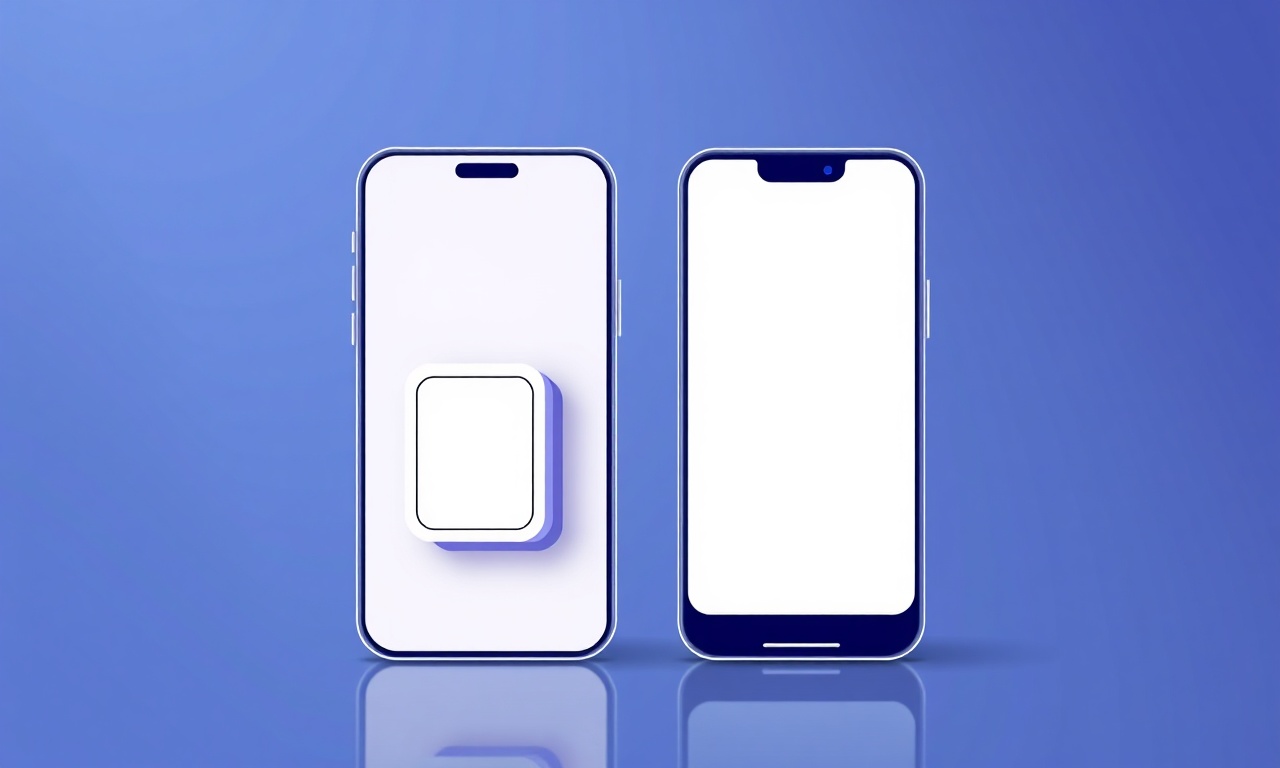
When verifying mobile identities, the shift from traditional physical SIM cards to embedded SIMs (eSIMs) introduces a paradigm change that affects convenience, security, and deployment. Both technologies serve the core purpose of authenticating mobile users and enabling network access, but their verification methodologies differ significantly due to their inherent design and operational frameworks.
Convenience: Instant Access vs Physical Handling
Physical SIM verification relies on the user possessing a tangible SIM card that must be inserted into a device. Verification processes typically involve detecting the SIM card's unique International Mobile Subscriber Identity (IMSI) or Integrated Circuit Card Identifier (ICCID) after physical installation. This approach is straightforward but inherently limited by logistics—users must receive, handle, and sometimes replace physical cards, which can delay activation and verification.
In contrast, eSIM verification benefits from its embedded nature—no physical swapping is required. Users can download and activate eSIM profiles over the air, enabling near-instant verification and provisioning. This flexibility is especially beneficial in remote or multi-device scenarios, where physical SIM distribution is impractical. The digital nature of eSIMs supports seamless transitions between carriers or plans without physical intervention.
eSIM verification eliminates the need for physical distribution and manual SIM swaps, dramatically accelerating user onboarding and reducing logistical friction.
Security: Hardware Isolation vs Software-Driven Protections
Physical SIM cards offer a hardware-isolated environment that securely stores cryptographic keys and subscriber data. Their verification processes leverage this isolation to authenticate users securely on the network. The physical card's tamper-resistant design adds a layer of security, making unauthorized cloning or access more difficult. However, physical SIMs can be lost, stolen, or damaged, introducing risks related to physical control.
eSIM verification, while lacking a removable physical component, relies heavily on software-based security protocols combined with hardware-backed secure elements within the device. eSIM profiles are protected by carrier-issued certificates and encryption standards during download and activation. While this approach provides robust protection, it requires stringent cybersecurity measures to mitigate risks such as profile cloning or remote attacks.
Although eSIMs offer advanced cryptographic protections, their reliance on network and device security highlights the importance of secure provisioning channels and trusted platform modules.
Deployment: Physical Distribution vs Remote Provisioning
Deploying physical SIM verification involves a supply chain of manufacturing, shipping, and retail distribution. This process can be costly and time-consuming, especially for global operations or scalable deployments. Verification often occurs after physical card installation, which may delay service activation.
eSIM deployment streamlines this by enabling remote provisioning and verification. Network operators can push or update SIM profiles over the air, facilitating instant activation and easier management of multiple profiles on a single device. This capability supports dynamic verification workflows and real-time updates, which are ideal for IoT devices, international travelers, and enterprise fleets.
Leveraging APIs for eSIM verification and provisioning can automate workflows and integrate seamlessly with services like SMS verification APIs, enhancing both security and user experience.
Practical Implications for Verification Services
From a practical standpoint, businesses and service providers must consider the verification environment when choosing between eSIM and physical SIM methods. Physical SIM verification is well-established and widely supported but may limit agility. eSIM verification offers transformative benefits for rapid deployment and user convenience but requires investment in secure remote provisioning infrastructure.
For example, integrating eSIM verification with multi-channel authentication services such as WhatsApp SMS OTP or Telegram SMS OTP can enhance identity assurance while maintaining user convenience. These integrations highlight how eSIM verification is evolving within broader digital identity ecosystems.
Flexibility
eSIM verification supports multiple profiles and carriers on one device, unlike physical SIMs which are limited to one card at a time.
Security
Physical SIMs provide hardware-based security, while eSIMs rely on secure software protocols and device hardware security modules.
Deployment Speed
eSIMs enable instant remote provisioning and verification, whereas physical SIMs require physical delivery and installation.
In summary, while traditional physical SIM verification remains reliable and familiar, eSIM verification introduces a new era of convenience, security adaptability, and deployment efficiency. Organizations aiming to future-proof their mobile verification strategies should evaluate the trade-offs and opportunities each approach presents in the context of their user base and technological infrastructure.
Best Practices for Implementing eSIM and Digital SIM Verification in Your Network

Implementing eSIM and digital SIM verification within your network requires a strategic approach to ensure seamless user experience, robust security, and operational efficiency. As eSIM technology replaces traditional SIM cards, verifying the authenticity and ownership of digital SIM profiles becomes paramount to prevent fraud, support regulatory compliance, and maintain customer trust. Below are best practices to guide your deployment and optimization efforts.
Use virtual numbers from regions where your users are based, such as USA virtual numbers or India virtual numbers, to facilitate localized SMS verification and improve delivery rates.
Security is the cornerstone of effective eSIM verification. Because eSIM profiles can be remotely provisioned and transferred, your verification system must guard against identity theft and SIM swap fraud. Employing cryptographic verification tied to device certificates and leveraging carrier authentication protocols can strengthen trustworthiness.
Always keep your verification APIs and backend systems up to date with the latest security patches and adhere to privacy regulations like GDPR or CCPA to protect user data during the verification process.
From a technical standpoint, integration with carrier networks and eSIM management platforms is essential. This may include using APIs to query subscription status, remotely deactivate compromised profiles, or synchronize user identity across systems. Familiarity with the API documentation of your eSIM solution provider will accelerate development and maintenance.
Operationally, consider scalability and latency. Verification requests can spike during peak times or new device launches. Cloud-based verification services with elastic capacity can handle demand surges efficiently, ensuring low latency and high availability.
Finally, continuous monitoring and iterative improvements are vital. Gather metrics on verification success rates, user feedback, and error patterns. Use this data to refine your verification logic, update messaging, and troubleshoot network issues promptly.
By following these best practices, your network can confidently adopt eSIM verification technology that enhances security, complies with regulations, and provides an exceptional user experience. For tailored solutions and pricing details, explore our services and pricing pages, or start a trial by registering today.
Advanced Use Cases of eSIM and Digital SIM Verification in Enterprise Environments
Enterprises today are rapidly adopting eSIM and digital SIM technologies to address complex challenges in device management, security, and connectivity. Unlike traditional SIM cards, eSIMs enable remote provisioning and management of mobile profiles, which unlocks a variety of advanced use cases across industries including manufacturing, logistics, healthcare, and finance. The ability to verify eSIM profiles dynamically and securely is essential for ensuring operational integrity and safeguarding sensitive data.
One of the most transformative applications of eSIM verification in enterprise environments is in the realm of Internet of Things (IoT) device management. With billions of IoT endpoints deployed worldwide, enterprises need scalable solutions to authenticate and manage cellular connectivity for sensors, gateways, and smart devices. eSIM technology allows enterprises to provision cellular service remotely without physical SIM swaps, while verification processes confirm the legitimacy of each device’s profile before granting network access. This reduces downtime, minimizes manual interventions, and mitigates risks of cloned or unauthorized devices connecting to corporate networks.
eSIM verification ensures that only authenticated IoT devices with valid profiles connect to enterprise networks, helping prevent data breaches and network infiltration.
Another critical use case is in mobile workforce management. Enterprises with distributed teams—such as field service technicians, sales representatives, and remote employees—rely on mobile devices for communication and productivity. eSIMs simplify device provisioning and carrier switching, enabling enterprises to optimize connectivity costs and coverage dynamically. Verification services validate the phone numbers and SIM profiles to prevent fraud and unauthorized access, ensuring mobile communications remain secure and compliant with corporate policies.
For example, integrating eSIM verification with enterprise communication platforms like WhatsApp or Telegram can enhance two-factor authentication flows, providing an additional layer of security for employee access to corporate resources. This approach complements existing OTP (One-Time Password) services and can be explored further through platforms such as WhatsApp SMS OTP verification and Telegram SMS OTP verification.
Integrating eSIM verification APIs into your enterprise mobile device management system can automate security checks and reduce manual validation overhead.
Beyond IoT and workforce management, secure communications and compliance represent another vital domain where eSIM verification plays a strategic role. Enterprises handling sensitive data must comply with regulations such as GDPR or HIPAA, which include stringent requirements on data privacy and communication security. eSIM verification helps enforce device authenticity and user identity validation, reducing risks related to SIM swapping attacks and identity fraud. This is particularly important for financial institutions and healthcare providers that rely on secure mobile channels for confidential communications.
In practice, enterprises often combine eSIM verification with virtual number services to manage multi-region connectivity and compliance efficiently. For instance, leveraging virtual numbers from regions like USA, UK, or Germany allows organizations to maintain local presence while verifying the authenticity of the associated eSIM profiles. This approach enhances trustworthiness and user experience across global markets.
Enhanced Security
eSIM verification prevents unauthorized device activation, protecting enterprise networks from SIM swap fraud and cloning attacks.
Operational Efficiency
Remote eSIM provisioning combined with verification reduces manual SIM management and accelerates device deployment.
Global Connectivity
Supports multi-region virtual numbers and seamless carrier switching, enabling enterprises to maintain connectivity worldwide.
From a technical standpoint, integrating eSIM verification requires robust API-driven workflows that validate SIM profiles against carrier databases and real-time network status. Developers can explore detailed documentation and testing environments via the API documentation and API playground to build tailored verification solutions. This flexibility allows enterprises to create adaptive security layers matching their specific use cases and compliance requirements.
In conclusion, the advanced use cases of eSIM and digital SIM verification in enterprises span from securing vast IoT ecosystems to empowering mobile workforces and ensuring compliance in sensitive communications. By leveraging remote provisioning, real-time verification, and integration with virtual number services, enterprises can unlock new levels of agility, security, and operational control in their digital transformation journeys.
Frequently asked questions
What is the difference between eSIM and a traditional SIM card?
How does digital SIM verification improve mobile security?
Can I switch carriers easily with an eSIM?
What devices support eSIM technology?
Is eSIM verification compatible with all mobile networks?
How is my privacy protected during eSIM verification?
What happens if the eSIM profile gets corrupted or lost?
Are there any costs associated with activating an eSIM?
Can eSIM verification be used for IoT devices?
How do I troubleshoot eSIM verification failures?
Is eSIM verification more secure than physical SIM verification?
Can I use multiple eSIM profiles on one device?
What standards govern eSIM and digital SIM verification?
Get started with SMSVerifier
Buy your first virtual phone number in under 60 seconds — pay as you go from $0.20 per SMS.
Create free account