Account verification systems are essential for confirming user identities and preventing fraud by using various methods such as SMS, email, biometrics, and multi-factor authentication. This guide covers their types, technical mechanisms, implementation strategies, and best practices for robust security.
Defining Account Verification Systems and Their Core Purpose
Account verification systems are specialized digital frameworks designed to confirm the authenticity of a user's identity when accessing an online service or platform. At their core, these systems serve as gatekeepers that validate whether the individual attempting to create or log into an account is genuinely who they claim to be. This verification process is fundamental in preserving the integrity of digital ecosystems, preventing fraud, and safeguarding sensitive user information.
On a basic level, verification mechanisms often involve steps such as confirming an email address or phone number, entering one-time passwords (OTPs), or answering security questions. These steps ensure that the account is linked to a legitimate and accessible contact point, which can be used for future authentication or recovery processes.
Without proper account verification, malicious actors can impersonate users, leading to data breaches, financial loss, and erosion of trust in digital services. Verification systems act as a frontline defense against such threats.
From a technical perspective, modern account verification systems leverage multifactor authentication (MFA), biometrics, and cryptographic protocols to enhance security. Among the most widely adopted methods is the use of SMS-based OTPs, where a unique code is sent to a user's mobile device to confirm their identity. This method is popular due to its simplicity and effectiveness in tying accounts to real-world phone numbers.
Implementing these systems requires an infrastructure capable of securely generating, transmitting, and validating verification tokens in real time. Many platforms integrate with third-party services that specialize in phone number verification and OTP delivery, such as SMSVerifier’s Google SMS OTP phone number verification service or WhatsApp SMS OTP phone number verification service. These integrations streamline the process, reduce development overhead, and improve reliability.
Choosing a verification system that supports multiple channels (SMS, WhatsApp, Telegram) can improve user experience and accessibility, especially in regions with varying mobile network reliability.
Practically, account verification systems serve multiple purposes beyond security. They help platforms comply with regulatory requirements such as Know Your Customer (KYC) and Anti-Money Laundering (AML) laws. Additionally, they reduce the prevalence of fake accounts, bots, and spam, thereby enhancing the quality of user interactions and analytics.
Consider the following simplified flow of a typical phone number verification process:
- Step 1 — User InputThe user provides their phone number during registration.
- Step 2 — OTP GenerationThe system generates a unique, time-limited OTP code.
- Step 3 — OTP DeliveryThe OTP is sent via SMS or an alternative messaging service.
- Step 4 — User VerificationThe user enters the received OTP to confirm ownership of the number.
- Step 5 — Access GrantedUpon successful verification, the account is activated or access is permitted.
Behind the scenes, the system must handle challenges such as OTP expiration, retry limits, and fraud detection to maintain security without compromising usability.
In summary, account verification systems are indispensable tools in today’s digital landscape. They provide a robust mechanism to authenticate users, protect against unauthorized access, and maintain the overall health of online services. For businesses looking to implement or enhance their verification processes, exploring specialized APIs and services can offer scalable and secure solutions that align with their operational needs. To learn more about implementing seamless phone number verification, visit our API documentation or explore the full range of services offered by SMSVerifier.
Historical Evolution of Account Verification: From Passwords to Multi-Factor Authentication
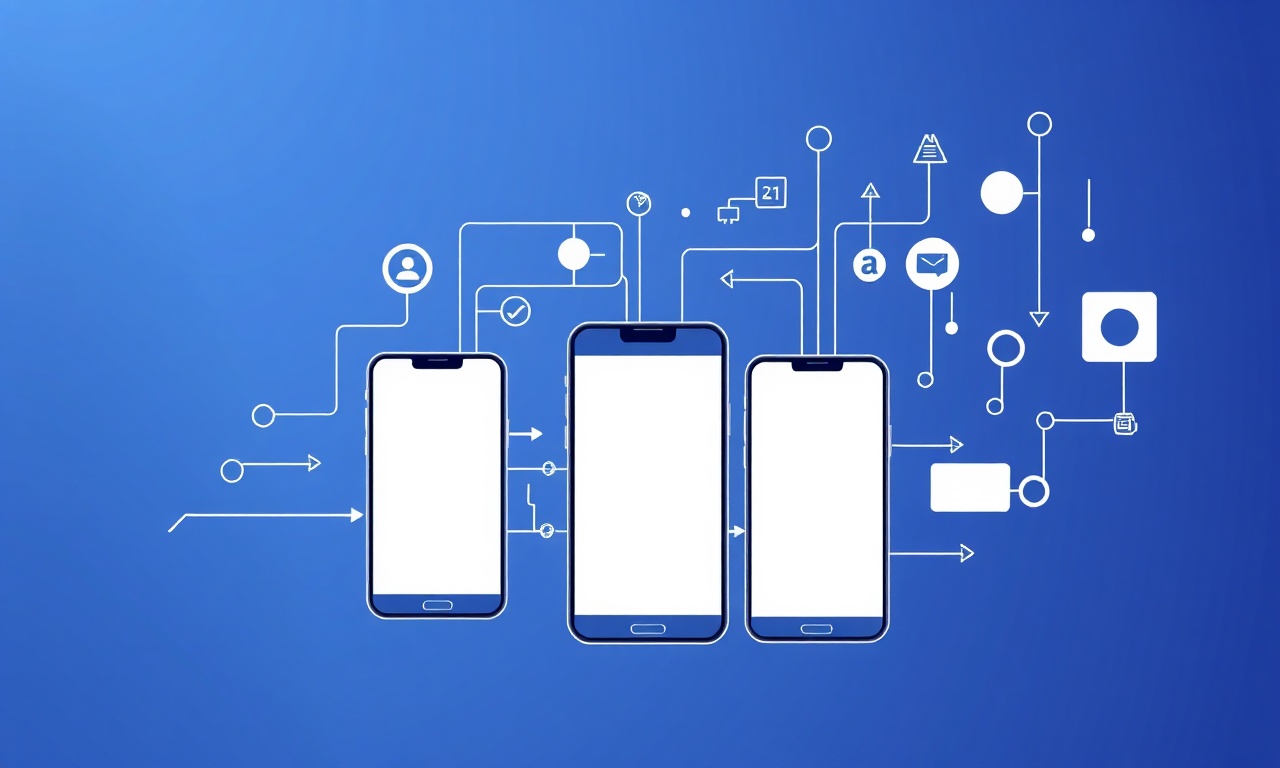
Account verification has undergone a profound transformation, evolving from the simplistic use of passwords to the sophisticated, multi-layered security frameworks of today. Understanding this evolution provides valuable insight into why modern verification systems, such as those integrating SMS OTP services or biometric factors, are essential for protecting digital identities in an increasingly connected world.
- Step 1 — The Era of PasswordsInitially, the cornerstone of account verification was the password. Users created secret codes to authenticate themselves. While easy to implement, passwords had significant vulnerabilities: they were often weak, reused across services, and susceptible to phishing and brute-force attacks.
- Step 2 — Introduction of Security QuestionsTo supplement passwords, security questions were introduced. These questions asked for personal information that ideally only the user would know. However, the rise of social media made many answers easy to guess or research, limiting their effectiveness.
- Step 3 — One-Time Passwords (OTPs) via SMSAs threats grew more sophisticated, the industry shifted towards dynamic verification codes sent via SMS. This approach significantly enhanced security by ensuring that a second factor—the user's phone—was required. Services like Google SMS OTP verification and WhatsApp SMS OTP verification became widespread, leveraging users’ mobile devices as secure tokens.
SMS OTPs introduced a time-sensitive, single-use code that drastically reduced the risk of unauthorized access. However, challenges like SIM swapping and message interception led to further innovation.
- Step 4 — Multi-Factor Authentication (MFA)MFA combines two or more independent credentials: something you know (password), something you have (phone or hardware token), and something you are (biometrics). This layered approach dramatically increases security, making unauthorized access exponentially more difficult.
- Step 5 — Biometric VerificationBiometrics, including fingerprint scans, facial recognition, and voice identification, introduced a unique verification factor tied intrinsically to the user. This technology leverages advanced sensors and AI algorithms, providing a seamless yet secure user experience.
- Step 6 — Behavioral Analytics and Risk-Based AuthenticationModern systems analyze user behavior patterns—such as typing rhythm, device usage, and location—to detect anomalies in real time. This adaptive approach dynamically adjusts security demands, often prompting additional verification only when suspicious activity is detected.
Integrating SMS OTP verification with biometric and behavioral factors creates a robust security ecosystem. Explore APIs like those documented in our API documentation and test implementations in the API playground to see how multi-factor flows can be customized.
Today’s account verification systems are the product of decades of iterative improvements, each addressing the vulnerabilities exposed by the previous method. From the humble password to complex multi-factor authentication, the goal remains constant: ensuring that users can prove their identity reliably and conveniently. As cyber threats continue to evolve, so too will verification technologies, making it essential for businesses and users alike to stay informed and adopt best practices.
Technical Mechanisms Behind Popular Account Verification Systems

Account verification systems form the backbone of secure digital interactions, ensuring that users are who they claim to be before granting access to sensitive services. These systems employ a variety of technical mechanisms, ranging from simple code confirmations to advanced biometric analyses. Understanding how these methods work at a technical level helps both developers and end-users appreciate the security and usability trade-offs involved.
SMS One-Time Password (OTP) Verification
SMS OTP is one of the most widely used verification methods. It relies on sending a unique, time-sensitive code to the user's registered mobile phone number. This code must then be entered into the application to confirm identity. The process begins at the service provider’s backend, which generates a cryptographically secure random code. This code is typically valid for a short period (e.g., 5-10 minutes) to reduce the window for interception or reuse.
The generated OTP is sent through an SMS gateway, which interfaces with mobile network operators to deliver the message. Upon receipt, the user inputs the OTP back into the system, where it is validated against the stored code. Successful validation confirms possession of the phone number, a key factor in identity verification.
Integrating SMS OTP verification can be streamlined using APIs like those found in our API documentation and API playground, enabling quick setup for various regions including USA and India.
Email Confirmation
Email verification operates on a similar principle to SMS OTP but uses email as the delivery channel. When a user registers or requests verification, the system generates a unique token or link embedded within an email. This token is linked to the user’s account in the backend database and is often time-limited to prevent replay attacks.
Once the user clicks the verification link or enters the token, the server validates it and activates the account or confirms the action. Email verification is technically simpler but depends on the security of the user’s email provider and the integrity of the email delivery system.
Biometric Verification
Biometric verification methods utilize unique physiological or behavioral traits such as fingerprints, facial recognition, or voice patterns. Unlike OTPs and email confirmations, biometrics verify identity based on “something you are.” The process begins with data capture through sensors—fingerprint scanners, cameras, or microphones.
The captured biometric data is then transformed into a digital template using algorithms that extract key features. This template is securely stored or compared against a trusted database during verification. Matching algorithms quantify similarity scores, and if the score exceeds a configured threshold, the user is authenticated.
Biometric data requires stringent privacy controls and encryption to prevent misuse. Many platforms combine biometrics with other factors for multi-factor authentication to enhance security.
Hardware Tokens
Hardware tokens are physical devices that generate time-based or challenge-response authentication codes. Common examples include USB security keys and dedicated OTP generators. These devices implement cryptographic algorithms, such as HMAC-based One-Time Password (HOTP) or Time-based One-Time Password (TOTP), to produce codes synchronized with the authentication server.
When a user attempts to log in, they either enter the code displayed on the token or insert the device to complete a cryptographic challenge. The server verifies the code or response using a shared secret or public key infrastructure. Hardware tokens are resistant to phishing and man-in-the-middle attacks due to their offline code generation and cryptographic validation.
Comparative Technical Summary
SMS OTP
Easy to implement and user-friendly, but vulnerable to SIM swapping and interception.
Email Confirmation
Widely supported and convenient but depends on email security and can be delayed.
Biometric Scans
Highly secure and user-specific, requiring specialized hardware and privacy safeguards.
Hardware Tokens
Robust cryptographic protection, ideal for high-security environments, but less convenient.
Each verification method involves complex technical workflows and security considerations. For developers building verification flows, combining these mechanisms—such as SMS OTP with biometric checks or hardware tokens—can significantly enhance security without sacrificing user experience. For example, integrating SMS OTP verification with WhatsApp SMS OTP or Telegram SMS OTP services can provide additional channels for code delivery, improving reliability and user accessibility.
Types of Account Verification Methods: SMS, Email, Biometrics, and More

Account verification is a critical step in securing user identities and preventing unauthorized access. Different verification methods offer varying levels of security, convenience, and applicability depending on the context. This section explores the most common types of account verification methods, including SMS, email, biometrics, and other emerging technologies, highlighting their strengths and weaknesses to help you determine the best fit for your security needs.
1. SMS-Based Verification
SMS verification is one of the most widely used methods for confirming user identities. It involves sending a one-time password (OTP) or verification code to the user's registered mobile phone number. The user then inputs this code to complete the verification process.
Use cases: Account sign-up, password resets, two-factor authentication (2FA), and transaction confirmations.
When a user initiates verification, an OTP is generated and sent via SMS. The user must enter this code promptly, as it typically expires within a few minutes to prevent reuse.
Strengths:
- Widespread mobile phone availability makes it accessible globally.
- Simple and familiar user experience.
- Quick delivery of codes with low latency.
Weaknesses:
- Susceptible to SIM swap attacks and interception.
- Dependent on mobile network coverage and user device availability.
- Potential delays or non-delivery in certain regions.
For enhanced reliability and scalability, many services integrate SMS verification APIs from providers like Google SMS OTP or leverage virtual numbers such as those from USA virtual numbers to reach users worldwide efficiently.
2. Email Verification
Email verification involves sending a unique link or code to the user's email address, which they must click or enter to prove ownership of the email account.
Use cases: Account registration, email address confirmation, and password recovery.
Strengths:
- Easy to implement and widely supported.
- Does not require a mobile device, useful for users without phones.
- Can include additional information or instructions in the verification email.
Weaknesses:
- Longer delivery times compared to SMS.
- Emails can be filtered as spam or overlooked by users.
- Less secure if the email account is compromised.
Combine email verification with other methods like SMS OTP or biometrics for multi-layered security, especially in high-risk applications.
3. Biometric Verification
Biometric methods use unique physiological or behavioral characteristics to verify identity. Common biometric factors include fingerprints, facial recognition, iris scans, and voice recognition.
Use cases: High-security environments, mobile device unlocking, banking, and government services.
Strengths:
- Difficult to forge or steal, providing a high level of security.
- Convenient and fast once enrolled.
- Reduces reliance on memorized credentials.
Weaknesses:
- Requires specialized hardware and software.
- Privacy concerns and regulatory compliance challenges.
- Can be affected by environmental factors (e.g., lighting for facial recognition).
Biometrics are often integrated as part of multi-factor authentication (MFA) rather than standalone verification due to their complexity and cost.
4. Other Verification Methods
Several additional verification methods exist, each suited to specific scenarios:
- Authenticator Apps: Apps like Google Authenticator generate time-based one-time passwords (TOTPs). They are more secure than SMS but require user setup.
- Security Questions: Used as a fallback method but vulnerable to social engineering and guesswork.
- Push Notifications: Users receive a prompt on a trusted device to approve or deny login attempts.
- Hardware Tokens: Physical devices that generate OTPs or use cryptographic keys, offering robust security but at higher cost and complexity.
Choosing the Right Verification Method for Your Application
When selecting verification methods, consider the following factors:
- Security Level: High-risk applications benefit from biometrics combined with OTPs, while lower-risk platforms might rely on email or SMS verification.
- User Experience: Methods should be easy for the target audience to use without causing friction.
- Infrastructure: Consider the availability of necessary hardware, software, and network conditions.
- Regulatory Compliance: Ensure the method complies with data protection laws relevant to your users' regions.
Explore our API documentation and API playground to integrate SMS and other verification methods seamlessly into your platform.
Step-by-Step Implementation of an Account Verification System

Implementing a robust account verification system is essential for securing user access, preventing fraud, and enhancing trust. Whether you're building a new application or upgrading an existing one, following a clear, step-by-step approach ensures smooth integration and optimal user experience. This section walks you through the technical and practical aspects of setting up an SMS-based verification system, covering backend workflows, user interaction design, and API integration.
- Step 1 — Define Verification ObjectivesStart by clarifying what you aim to achieve with account verification. Common goals include validating user phone numbers, preventing fake accounts, and complying with regulatory requirements. Understanding your objectives will guide your choice of verification methods and service providers.
- Step 2 — Choose a Verification Service ProviderSelect a reliable SMS OTP (One-Time Password) service that supports your target regions and offers API flexibility. Providers like SMSVerifier offer seamless integration with global virtual numbers, including US, UK, and India numbers, ensuring high deliverability and compliance.
- Step 3 — Design the User ExperienceCreate an intuitive verification flow that guides users through entering their phone number, receiving the OTP, and submitting it for validation. Minimize friction by providing clear instructions, error feedback, and options to resend codes. Consider accessibility and responsiveness across devices.
- Step 4 — Implement Backend Verification LogicDevelop server-side workflows to generate OTPs, send SMS messages via your chosen provider’s API, and verify user input against stored codes. Securely store verification attempts and timestamps to prevent abuse and enable rate-limiting.
- Step 5 — Integrate and Test the APIUse the provider’s API documentation and playground tools to integrate SMS sending and verification endpoints into your backend. Test across different carriers and devices to ensure reliability. For example, SMSVerifier’s API docs and interactive playground simplify this process.
- Step 6 — Handle Edge Cases and SecurityImplement fallback mechanisms such as voice call verification or alternative channels like WhatsApp or Telegram OTPs. Protect against brute force by limiting verification attempts, expiring OTPs promptly, and monitoring suspicious activity.
- Step 7 — Deploy and MonitorLaunch your verification system and continuously monitor success rates, delivery times, and user feedback. Adjust SMS templates, retry policies, and provider settings as needed to optimize performance and user satisfaction.
For a smoother user journey, consider integrating multi-channel verification options—such as combining SMS with WhatsApp or Telegram OTPs—to increase delivery success and user choice. SMSVerifier supports these channels, which you can explore further on our WhatsApp and Telegram verification service pages.
By following these steps, you create a secure and user-friendly verification system that not only protects your platform but also fosters trust and engagement. Remember to tailor your implementation to your application's unique needs and user base, continuously refining based on analytics and feedback.
Cost Analysis and Budgeting for Account Verification Systems

Implementing an effective account verification system is a critical investment for many businesses aiming to enhance security, reduce fraud, and improve user experience. However, understanding the full spectrum of costs involved—from initial setup to ongoing maintenance—is essential for budgeting and optimizing your verification strategy. These costs generally fall into three main categories: software, hardware, and operational expenses.
Software Costs: Licensing, API Access, and Integration
At the core of most modern verification systems lies software that handles user authentication via SMS, phone calls, or app-based tokens. Many companies opt for third-party services that provide API access to SMS OTP (One-Time Password) delivery, phone number validation, and fraud detection. Pricing models for these services typically include pay-per-message or subscription plans, with fees varying based on message volume, destination countries, and additional features like number intelligence.
For example, using a cloud-based SMS verification service such as the Google SMS OTP Phone Number Verification Service or a specialized provider can reduce upfront costs by eliminating the need to develop and maintain proprietary software. However, these convenience factors come at a recurring expense that should be carefully forecasted based on expected user growth and message throughput.
Costs depend on API usage volume and feature tiers. Some services offer free trial quotas or volume discounts that can significantly affect budgeting.
Hardware Considerations: Infrastructure and Virtual Numbers
Though many verification systems rely heavily on cloud infrastructure, certain scenarios require dedicated hardware or virtual numbers to optimize performance or comply with regional regulations. Physical servers may be necessary for on-premises deployments, especially in enterprises with strict data privacy policies. These servers incur capital expenditures (CAPEX) and ongoing operational costs like power, cooling, and maintenance.
Alternatively, virtual numbers are often rented from providers in various countries to facilitate SMS and voice verification globally. The cost of virtual numbers varies by country; for example, numbers from the United States, United Kingdom, or India may differ significantly in monthly rental fees and per-message rates. Budgeting for these numbers requires an understanding of your user base’s geographic distribution and verification frequency.
Monthly rental fees plus per-message or per-call charges apply. Bulk or long-term contracts can reduce unit costs.
Operational Expenses: Monitoring, Support, and Compliance
Beyond software and hardware, operational costs can represent a substantial portion of the total expenditure. These include expenses related to system monitoring, customer support, fraud analysis, and compliance management. For instance, continuous monitoring ensures that verification messages are delivered promptly and reliably, which may require dedicated staff or automated alerting systems.
Customer support teams trained to assist users with verification issues also add to ongoing costs. Moreover, maintaining compliance with telecommunications regulations and data protection laws—such as GDPR or TCPA—often necessitates legal consultation, audits, and adjustments to the verification process, all of which should be factored into the budget.
Practical Steps to Optimize Verification Costs
- Step 1 — Assess User Volume and Verification FrequencyEstimate the number of verification attempts expected monthly to select the most cost-effective API pricing tier.
- Step 2 — Choose Providers with Flexible PricingLook for services offering pay-as-you-go plans and discounts for higher volumes, such as those detailed in our pricing pages.
- Step 3 — Optimize Virtual Number UsageAnalyze geographic distribution to minimize unnecessary virtual number rentals and leverage local numbers where possible.
- Step 4 — Automate Monitoring and SupportImplement automated delivery status tracking and chatbot support to reduce manual operational costs.
- Step 5 — Regularly Review and AdjustContinuously monitor costs and performance to adapt your verification system as user patterns evolve.
Integrating verification services via an API playground allows you to test and optimize message flows before full deployment, saving costs associated with failed attempts or inefficient processes.
In conclusion, budgeting for account verification systems requires a comprehensive understanding of software licensing, hardware or virtual number expenses, and ongoing operational costs. By carefully analyzing these components and leveraging scalable, flexible services, businesses can implement robust verification solutions that balance security needs with cost efficiency.
Best Practices for Secure and User-Friendly Account Verification

Account verification is a critical step that safeguards user identities and protects platforms from fraud, while also shaping the initial user experience. Striking the right balance between robust security measures and smooth onboarding is essential for retention and trust. Below are key best practices to optimize account verification systems for both security and usability.
Minimal Friction with Strong Authentication
Implement verification methods that are secure yet unobtrusive. For example, SMS OTP (One-Time Password) verification provides a reliable second-factor authentication without requiring complex user actions. Platforms like Google SMS OTP or WhatsApp SMS OTP combine security with familiarity, reducing user drop-off.
Adaptive Verification Based on Risk
Use risk-based authentication that adjusts verification intensity according to the context. For example, new devices, unusual locations, or high-value transactions can trigger additional identity checks, while routine logins proceed with minimal steps. This dynamic approach improves security without burdening every user.
Multi-Channel Verification Options
Offer users multiple verification channels such as SMS, voice calls, or app-based OTPs, catering to diverse preferences and accessibility. Integrating services like Telegram SMS OTP can enhance reach and user comfort, especially in regions where certain platforms dominate.
Always validate the phone number format and carrier information upfront using a phone number validation API before sending verification codes. This reduces failed deliveries and user frustration.
Beyond technical measures, clear communication throughout the verification process is vital. Inform users why verification is necessary, how their data is protected, and what steps they need to complete. Transparent messaging reduces anxiety and builds confidence in the platform’s security.
Additionally, limit the number of verification attempts and implement timeout windows to prevent brute force attacks. For example, allow 3-5 OTP submissions with a cooldown period before retrying. This balance prevents abuse while minimizing user inconvenience.
How to handle failed verification attempts?
Finally, ensure compliance with data protection regulations by securely storing verification data and limiting its retention. Use encrypted channels for OTP delivery and verification API calls, which can be explored in our API documentation and tested via the API playground.
Advanced Verification Technologies and Emerging Trends
As digital transactions and online interactions grow more complex, traditional verification methods are evolving rapidly. The landscape of account verification is now embracing advanced technologies that enhance security, user experience, and fraud prevention. Among the most promising innovations are AI-driven behavioral biometrics, decentralized identity verification, and passwordless authentication systems. These cutting-edge approaches address the limitations of conventional SMS OTP and static password methods, offering more adaptive and resilient solutions.
AI-Driven Behavioral Biometrics: Beyond Static Credentials
Behavioral biometrics analyzes patterns in user behavior—such as typing rhythm, mouse movement, touchscreen gestures, and even navigation habits—to continuously verify identity. Unlike passwords or SMS codes, which are vulnerable to theft or interception, behavioral biometrics creates a dynamic profile unique to each user. Artificial intelligence models process this data in real time, detecting anomalies that may indicate fraudulent access attempts.
Technically, these systems leverage machine learning algorithms to build a baseline of normal behavior and flag deviations. This continuous authentication method reduces friction by minimizing the need for repeated manual verification steps. For example, if a user logs in through an app integrated with SMSVerifier’s API, behavioral biometrics can silently confirm their identity in the background, only triggering additional verification if suspicious activity is detected.
Behavioral biometrics requires robust data collection and processing capabilities. Integrating these systems with existing verification services like SMS or OTP enhances multi-factor authentication frameworks, combining “something you know” with “how you behave.”
Decentralized Identity Verification: Empowering Users with Control
Decentralized identity (DID) frameworks are gaining traction as a privacy-centric alternative to centralized databases. Using blockchain or distributed ledger technology, DID enables users to control their identity data and share verifiable credentials without exposing sensitive information indiscriminately.
From a practical standpoint, this approach reduces the risk of massive data breaches since identity information is not stored on a single server but verified cryptographically across a decentralized network. Users can authenticate themselves to services with cryptographic proofs rather than passwords or SMS codes, enhancing both privacy and security.
Developers looking to implement decentralized identity can explore integration with existing verification APIs to support hybrid verification flows. For instance, combining DID with SMS OTP as a backup method ensures accessibility during network or device limitations. More information on integrating verification services can be found in our API documentation.
Passwordless Authentication: Simplifying Access While Strengthening Security
Passwordless authentication is revolutionizing account security by eliminating passwords altogether. Instead, it relies on methods such as biometric recognition (fingerprint, facial ID), hardware security keys, or one-time codes delivered through secure channels like SMS or authenticator apps.
At a basic level, this trend improves user convenience by removing the need to remember complex passwords, which are often reused or poorly managed. Technically, passwordless systems rely on public-key cryptography and secure token exchanges to verify identity without transmitting secrets that could be compromised.
For businesses seeking to implement passwordless login, combining SMS OTP services with biometric verification offers a layered security approach that balances usability and protection.
Many platforms now offer SDKs and APIs that allow seamless integration of passwordless authentication alongside traditional verification methods. SMSVerifier’s platform supports these hybrid models, enabling developers to customize flows that incorporate SMS OTP as a fallback or secondary check. Explore our app or register to get started with these advanced verification options.
Emerging Trends and Future Directions
The convergence of AI, blockchain, and biometric technologies is setting the stage for increasingly sophisticated verification ecosystems. Some notable trends to watch include:
- Adaptive Authentication: Systems that dynamically adjust verification requirements based on risk assessment, user context, and device trust.
- Cross-Platform Identity Federation: Seamless user verification across multiple services and devices without repeated logins, supported by decentralized identity standards.
- Enhanced Privacy Compliance: Technologies designed to comply with evolving global data protection regulations while maintaining strong security.
These advancements underscore the importance of flexible, scalable verification services that can integrate diverse technologies. SMSVerifier continues to innovate in this space, offering comprehensive solutions that complement emerging trends while ensuring reliability and ease of use.
Common Challenges and Troubleshooting in Account Verification Systems

Account verification systems are essential for securing user identities and preventing fraudulent activities, but they often encounter a variety of challenges that can impact user experience and system reliability. Understanding these common issues and implementing practical troubleshooting strategies is crucial for maintaining both security and usability.
1. SMS Delivery Failures
One of the most frequent problems in SMS-based verification is message delivery failure. This can be caused by network issues, carrier restrictions, or user device problems. For example, users in certain regions might experience delays or non-delivery due to telecom provider filtering or coverage gaps.
Network congestion, incorrect phone numbers, carrier blocking, or international message routing delays.
To mitigate these issues, it’s recommended to integrate with reliable SMS gateways that support multiple carriers and fallback routes. Services like USA virtual number or India virtual number options can improve regional delivery success rates. Additionally, implementing real-time delivery status tracking allows you to detect failures promptly and retry sending or notify users accordingly.
2. User Input Errors
User errors during verification, such as mistyping the OTP code or entering an incorrect phone number, are common and can frustrate users. These errors increase the risk of verification failure and abandoned signups.
Provide clear input formatting guidelines and real-time validation feedback on phone number fields to reduce errors. For example, use international phone number formatting libraries and offer country code selectors linked to your API documentation.
Offering features like “Resend OTP” buttons with cooldown timers and allowing users to request voice call verification as an alternative channel can improve success rates and reduce friction. Also, consider integrating alternative verification services such as Google SMS OTP or Telegram SMS OTP, which may offer better reliability depending on the user’s platform.
3. Fraud Attempts and Security Bypasses
Fraudsters continuously attempt to circumvent verification systems using tactics like SIM swapping, phone number recycling, or automated bots. These threats can lead to unauthorized access or fake account creation, undermining platform integrity.
Be vigilant about advanced fraud tactics that can bypass basic SMS verification, especially in high-risk environments or industries.
To strengthen defenses, consider multi-factor verification that combines SMS OTP with additional checks such as device fingerprinting, behavioral analytics, or email verification. Leveraging services with fraud detection capabilities and real-time risk scoring can help flag suspicious verification attempts. For businesses requiring enhanced protection, integrating with our full verification suite or exploring virtual number options like UK virtual number and Germany virtual number can add layers of security and reduce fraud exposure.
4. Latency and User Experience Issues
Latency in OTP delivery or verification can cause user frustration and abandonment. Slow response times may be due to backend processing delays or network issues.
Optimizing API endpoints, using CDN caching for static assets, and selecting SMS providers with low latency routes are practical steps to improve performance. Monitoring average verification times and setting alerts for anomalies can help maintain a smooth user experience. For developers, testing your integration in the API playground before production rollout ensures that your system handles edge cases gracefully.
Summary
While challenges like delivery failures, user errors, fraud attempts, and latency are common in account verification systems, a combination of technical best practices and thoughtful user experience design can mitigate their impact. Employing multi-channel verification, leveraging virtual numbers tailored to your target regions, and monitoring system health proactively will enhance both security and usability. For a comprehensive solution, explore our platform registration and detailed pricing plans to find the best fit for your verification needs.
Comparison of Leading Account Verification Providers and Tools

Choosing the right account verification provider is crucial for businesses aiming to secure user accounts while maintaining a smooth user experience. The market offers a variety of providers, each with distinct features, pricing models, and technical capabilities. This section breaks down some of the leading verification tools, helping you decide which aligns best with your operational needs and budget.
Security & Compliance
Top providers like Google SMS OTP and Telegram SMS OTP emphasize robust encryption and compliance with global data protection laws such as GDPR and CCPA. They often include fraud detection algorithms that analyze verification attempts to flag suspicious activity.
Speed & Reliability
Services such as SMSVerifier and WhatsApp SMS OTP leverage global carrier partnerships to ensure rapid OTP delivery with minimal latency, even in remote regions. This is essential for real-time verification workflows.
Pricing Flexibility
While providers like SMSVerifier offer pay-as-you-go pricing suitable for startups and scaling businesses, others provide subscription models with volume discounts. Reviewing the pricing details helps in forecasting costs accurately based on your expected verification volume.
| Provider | Verification Channels | Global Coverage | API Integration | Pricing Model | Additional Features |
|---|---|---|---|---|---|
| SMSVerifier | SMS, Voice OTP | 200+ countries | REST API, SDKs | Pay-as-you-go | Virtual numbers (US, UK, India), fraud analytics |
| Google SMS OTP | SMS OTP | 100+ countries | REST API, OAuth support | Subscription & volume tiers | Seamless Google account integration, advanced spam detection |
| WhatsApp SMS OTP | WhatsApp messages, SMS backup | Global with focus on emerging markets | Webhook and API | Tiered pricing based on message volume | Rich media support, multi-language templates |
| Telegram SMS OTP | Telegram message OTP | Selected countries mainly in Europe & Asia | API with bot integration | Flat monthly fee + usage | Bot automation, encrypted messaging |
From a technical standpoint, integration ease varies: SMSVerifier provides comprehensive SDKs for multiple languages and a sandbox environment for testing, documented in their API playground. Google’s solution benefits from OAuth flows, making it ideal for apps already leveraging Google identity services. WhatsApp and Telegram OTP providers stand out for businesses targeting mobile-first users in regions where these messaging apps dominate.
Evaluate your user base’s geographic distribution and preferred communication channels before selecting a verification provider. For example, if a large portion of your audience uses WhatsApp or Telegram, leveraging their OTP services can improve verification rates and user satisfaction.
Consider the regulatory environment in your target markets. Some countries restrict the use of virtual numbers or require explicit user consent for SMS and messaging verification. Providers like SMSVerifier offering virtual numbers in multiple countries can simplify compliance, but always verify local laws.
Practical considerations also include the provider’s customer support responsiveness, SLA guarantees, and scalability. Fast-growing companies should prioritize providers that can handle sudden spikes in verification requests without downtime.
For businesses seeking a comprehensive solution with flexible pricing and broad global reach, SMSVerifier stands out as a versatile option. Meanwhile, Google SMS OTP is preferable for enterprises deeply integrated into the Google ecosystem. Messaging app-based OTPs, such as those from WhatsApp and Telegram, offer innovative alternatives that can reduce SMS costs and improve verification success in certain regions.
To explore how these services can be integrated into your platform, visit the services page for detailed offerings or start testing with a free account on the registration portal.
Legal and Privacy Considerations in Account Verification Systems

Account verification systems play a critical role in authenticating users and safeguarding digital services. However, the design and implementation of these systems must carefully consider legal and privacy frameworks to ensure compliance and protect user data. Laws such as the General Data Protection Regulation (GDPR) in the European Union, the California Consumer Privacy Act (CCPA) in the United States, and various other national data protection regulations impose strict requirements on how personal information is collected, processed, stored, and shared during verification processes.
At a basic level, these regulations emphasize transparency, user consent, data minimization, and security. For example, when implementing phone number verification via SMS or automated calls, service providers must inform users what data is collected (e.g., phone numbers, device identifiers), how it will be used, and obtain explicit consent where required. Users must also be given rights to access, correct, or delete their data, which adds operational complexity to verification workflows.
From a technical perspective, account verification systems must incorporate privacy-by-design principles. This includes encrypting verification tokens and personal data both in transit and at rest, limiting data retention periods, and ensuring secure APIs for communication. Many verification providers, including those offering Google SMS OTP or Telegram SMS OTP services, provide built-in compliance features such as audit logs and data anonymization options to assist businesses in meeting regulatory standards.
Additionally, cross-border data transfers during verification require special attention. GDPR, for instance, restricts transferring personal data outside the EU unless adequate safeguards like Standard Contractual Clauses or certifications are in place. Companies using virtual number services from different countries—for example, USA virtual numbers or Germany virtual numbers—must evaluate the legal implications of where their verification data is processed and stored.
Ensure user consent is explicit and documented, implement data minimization by only collecting essential information, maintain transparency with clear privacy notices, and establish processes for data subject rights such as access and deletion requests.
On a practical level, organizations must integrate compliance checks into their verification system lifecycle, including during development, deployment, and ongoing operations. This involves regular privacy impact assessments and collaborating with legal teams to update terms of service and privacy policies accordingly. Automated monitoring of data flows and anomaly detection can help identify potential breaches or unauthorized access early.
When selecting or building an account verification solution, businesses should also consider how easily the system can adapt to evolving privacy laws. Flexible APIs and modular architectures enable quick policy updates without disrupting user experience. For instance, integrating with SMS verification APIs documented in our API documentation allows developers to implement granular controls over data handling and retention.
Choose verification providers that are transparent about their compliance certifications and offer configurable privacy settings. This reduces your compliance burden and enhances trust with users.
Finally, legal and privacy considerations extend beyond compliance to building user trust. Clear communication about how verification protects accounts and personal data can improve adoption rates and reduce friction. Transparent practices also mitigate risks of regulatory penalties and reputational damage.
In conclusion, embedding legal and privacy compliance into account verification systems is essential for sustainable and responsible digital identity management. By understanding the requirements of laws like GDPR and CCPA, implementing privacy-centric technical measures, and adopting practical governance processes, organizations can securely verify users while respecting their privacy rights.
Future Outlook and Innovations Shaping Account Verification Systems

The landscape of account verification is evolving rapidly, driven by advances in technology and increasing demands for security, privacy, and user convenience. Looking ahead, several key innovations promise to redefine how individuals and businesses verify identities, making processes more secure, frictionless, and adaptable to diverse digital environments.
One of the most transformative trends is the integration of blockchain-based identity verification. By leveraging decentralized ledgers, users can gain control over their personal data while enabling service providers to authenticate identities without relying on centralized databases vulnerable to breaches. Blockchain identity frameworks enable verifiable credentials that are tamper-proof and privacy-preserving, offering a robust alternative to traditional SMS or email OTPs. This decentralized approach also supports cross-platform interoperability, allowing a single trusted identity to be used seamlessly across multiple services and regions.
Blockchain identity solutions can reduce fraud and eliminate the need for repeated KYC checks, streamlining onboarding and enhancing user trust.
Complementing blockchain's promise, zero-trust security models are gaining traction in verification systems. Rather than assuming any entity is trustworthy by default, zero-trust frameworks require continuous authentication and verification at every interaction point. This dynamic verification approach reduces risks from compromised credentials or insider threats by enforcing strict access controls based on context, behavior, and device health. For account verification, this means that systems will not only validate user identity at registration but continually assess legitimacy during sessions, adapting authentication requirements as necessary.
In practical terms, zero-trust integration encourages multi-factor authentication methods that combine traditional SMS OTPs with biometrics, device fingerprinting, and behavioral analytics. For example, a user logging in through a Google SMS OTP service might also be required to verify via facial recognition or a fingerprint scan, with the system analyzing login patterns to detect anomalies.
Combining SMS OTP with biometric verification can dramatically improve security without compromising user experience—explore integrating these features via APIs documented in our API docs.
Speaking of biometrics, the future of account verification will see seamless biometric integration becoming the norm rather than the exception. Advances in sensor technology and AI-driven recognition algorithms are enabling faster, more accurate, and less intrusive biometric verification. These include fingerprint, facial, voice, and even behavioral biometrics such as typing rhythm or gait analysis.
Biometric verification offers distinct advantages: it is inherently tied to the individual, difficult to replicate or steal, and can enable frictionless authentication experiences. For example, users might verify their identity simply by looking at a phone camera or speaking a passphrase, eliminating the need for manual code entry. This shift not only enhances security but also accessibility for users who may have difficulty with traditional verification methods.
Enhanced Security
Biometric data coupled with behavioral analytics reduce identity fraud and unauthorized access.
Seamless Experience
Users enjoy faster, hands-free verification without the hassle of remembering codes or passwords.
Cross-Platform Compatibility
Biometric verification integrates smoothly across apps, websites, and devices.
From a developer’s perspective, these emerging technologies are accessible through evolving APIs and SDKs that facilitate easy integration into existing verification workflows. For instance, platforms offering combined SMS OTP and biometric authentication services allow businesses to customize verification flows to their needs, balancing security and user convenience. Interested parties can explore options for virtual numbers in various countries—such as USA virtual numbers or India virtual numbers—to optimize verification reach and compliance.
Moreover, artificial intelligence and machine learning will increasingly play a role in fraud detection during verification. Systems will analyze patterns in real-time, identifying suspicious activities such as SIM swapping, device spoofing, or unusual login locations. This intelligence will enable proactive risk mitigation, triggering additional verification steps only when necessary, thus maintaining smooth user experiences.
In summary, account verification systems are poised for significant innovation. Blockchain identity frameworks, zero-trust security models, and biometric integrations will collectively enhance security, privacy, and usability. Businesses and developers who embrace these advancements early can offer safer and more seamless verification experiences, building stronger trust relationships with their users. For a practical start, consider exploring our verification services or try out the features in the API playground to experiment with combined verification methods.
Frequently asked questions
What is an account verification system?
Why is account verification important?
What are common methods used in account verification?
How does SMS verification work technically?
What are the challenges with SMS-based verification?
How can businesses implement account verification effectively?
Are biometric verification methods secure?
What legal regulations affect account verification systems?
How much does it cost to implement account verification?
What are emerging trends in account verification?
Can account verification prevent all types of fraud?
What is multi-factor authentication (MFA)?
How do verification systems impact user experience?
What troubleshooting steps help resolve verification failures?
Get started with SMSVerifier
Buy your first virtual phone number in under 60 seconds — pay as you go from $0.20 per SMS.
Create free account