SIM swap attacks hijack mobile phone numbers by exploiting carrier vulnerabilities, while phishing tricks users into revealing sensitive info. Both threaten account security but require different prevention strategies.
What Are SIM Swap Attacks and How Do They Operate?
SIM swap attacks are a sophisticated form of identity theft where cybercriminals take control of a victim’s mobile phone number by tricking or bribing mobile carrier employees or exploiting carrier vulnerabilities. Once the attacker successfully hijacks the phone number, they can intercept calls, text messages, and most critically, two-factor authentication (2FA) codes sent via SMS, enabling unauthorized access to the victim’s sensitive online accounts.
At a basic level, a SIM swap attack involves transferring a victim’s phone number from their legitimate SIM card to a new SIM card controlled by the attacker. This means all incoming calls and messages are rerouted to the attacker’s device, effectively severing the victim’s access to their phone number and associated services.
How the SIM Swap Attack Process Works
- Step 1 — Information GatheringAttackers collect personal details about the victim through social engineering, phishing, data breaches, or public sources. This may include full name, phone number, address, date of birth, and account PINs.
- Step 2 — Contacting the Mobile CarrierThe attacker poses as the victim and contacts the victim’s mobile carrier customer support. Using the gathered personal information, they convince the representative to transfer the victim’s phone number to a new SIM card.
- Step 3 — SIM Swap ActivationOnce approved, the carrier deactivates the victim’s original SIM and activates the attacker’s SIM with the victim’s phone number. The attacker now receives all calls and SMS messages intended for the victim.
- Step 4 — ExploitationWith control over the phone number, the attacker can reset passwords, bypass SMS-based 2FA, and gain access to bank accounts, email, social media, and other services linked to that number.
Vulnerabilities Exploited in Mobile Carrier Systems
Mobile carriers are the weak link in SIM swap attacks due to several systemic vulnerabilities:
Inadequate Identity Verification
Many carriers rely on easily obtainable personal information or weak authentication methods, such as simple PINs or security questions, which attackers can bypass with enough data.
Human Factor and Social Engineering
Carrier employees may be deceived or coerced into approving SIM swaps without strict verification, especially under pressure or due to insufficient training on fraud prevention.
Outdated or Fragmented Systems
Some carriers use legacy systems that lack real-time fraud detection or cross-checking mechanisms, making it easier for attackers to execute swaps quickly and unnoticed.
Once a SIM swap is complete, victims often lose access to their phone temporarily or indefinitely, making it difficult to receive alerts or recover accounts quickly. Immediate action is crucial.
Practical Implications for Users and Businesses
For individuals, a SIM swap attack can lead to financial losses, privacy invasion, and identity theft. For businesses, especially those relying on SMS-based verification like WhatsApp or Telegram, it poses significant security risks. Integrating more secure verification methods, such as app-based authentication or virtual number services, can reduce exposure.
Services that offer robust phone number verification, including [WhatsApp SMS OTP phone number verification service](/whatsapp-sms-otp-phone-number-verification-service) and [Telegram SMS OTP phone number verification service](/telegram-sms-otp-phone-number-verification-service), help mitigate risks by adding layers of security beyond reliance on mobile carriers alone.
Using multi-factor authentication apps or hardware tokens instead of SMS-based codes can greatly reduce the risk of account compromise due to SIM swap attacks.
How Phishing Techniques Manipulate Users to Steal Credentials
Phishing remains one of the most pervasive and effective cyberattack methods, leveraging social engineering to trick users into divulging sensitive credentials such as usernames, passwords, and multi-factor authentication codes. Understanding the various phishing techniques is essential for both individuals and organizations to recognize and defend against these deceptive tactics.
At its core, phishing exploits human trust by impersonating legitimate entities through multiple communication channels. The most prevalent methods include email phishing, SMS phishing (often called "smishing"), and website impersonation. Each of these approaches uses tailored psychological manipulation combined with technical mimicry to lure victims into revealing confidential information.
Email Phishing: The Classic Vector
Email phishing is the oldest and most widespread phishing technique. Attackers send fraudulent emails designed to look like official correspondence from trusted organizations such as banks, social media platforms, or service providers. These emails often contain urgent language prompting immediate action—like "Your account has been suspended" or "Verify your identity to avoid service interruption."
Embedded within these emails are links to counterfeit websites that closely resemble the real ones. When users enter their credentials on these fake portals, attackers capture the information instantly. Some emails also include malicious attachments or embedded scripts that install malware or keyloggers to harvest credentials silently.
Always verify the sender’s email address and hover over links to check their true destination. Using a phone number verification service like Google SMS OTP can add an extra layer of protection by confirming user identities during login.
SMS Phishing (Smishing): The Mobile Threat
With the ubiquity of smartphones, SMS phishing has surged as attackers exploit the relative informality and immediacy of text messaging. Smishing messages often masquerade as alerts from banks, delivery services, or government agencies, urging recipients to click on a link to resolve an issue or claim a prize.
These messages typically contain shortened URLs or domains that are similar but not identical to legitimate ones. When clicked, they lead to mobile-optimized phishing sites designed to harvest credentials or install malicious apps. Because SMS messages appear directly on a user’s phone, they often bypass email spam filters, making them especially dangerous.
Integrating SMS OTP verification via services like SMSVerifier can help detect and block fraudulent access attempts triggered by smishing attacks.
Website Impersonation: Crafting Convincing Facades
Website impersonation is a technical cornerstone of phishing attacks. Cybercriminals create counterfeit websites that replicate the look, feel, and functionality of trusted online services. These fake sites can be hosted on domains that mimic the original through subtle misspellings (e.g., "paypa1.com" instead of "paypal.com") or use internationalized domain names that appear visually identical.
Attackers often employ SSL certificates to display the trusted padlock icon, further deceiving users into thinking the site is secure. Once users enter their credentials or payment details, the information is sent directly to the attacker’s servers. Some phishing sites also incorporate JavaScript to intercept two-factor authentication codes in real-time.
Do not rely solely on the presence of HTTPS or padlock icons as indicators of website authenticity. Always verify domain names carefully, and consider using multi-factor authentication solutions integrated with trusted SMS verification services, such as those detailed in our API documentation.
Combining Techniques: Multi-Channel Phishing Campaigns
Modern phishing attacks often combine several techniques to increase success rates. For example, an attacker might send an email containing a link to a phishing website, then follow up with an SMS containing a one-time password (OTP) request to bypass security measures. This multi-pronged approach exploits different user habits and trust vectors simultaneously.
Attackers also adapt their methods based on the target’s geography and platform. Using virtual numbers from regions like the United States or India, they simulate local communications, increasing the likelihood that victims will trust and respond to phishing attempts.
Understanding these stages helps defenders design better verification processes and user education to disrupt phishing chains. For example, integrating phone number verification through reliable APIs can block automated phishing attempts and alert users to suspicious login activity.
Core Differences Between SIM Swap Attacks and Phishing Explained
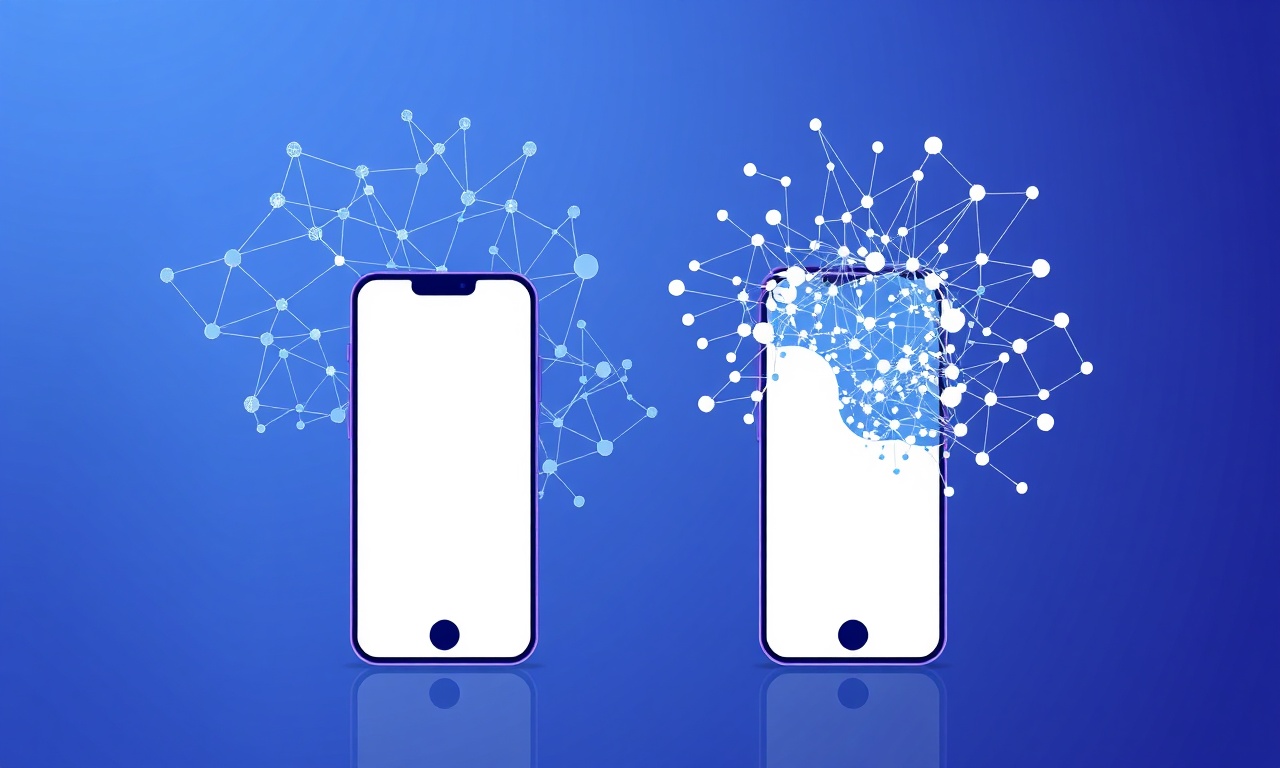
Understanding the fundamental distinctions between SIM swap attacks and phishing scams is critical for both individuals and organizations aiming to fortify their security posture. While both tactics are employed by malicious actors to exploit personal information and access sensitive accounts, their methods, targets, and technical executions differ substantially.
Attack Vectors
SIM Swap: This attack vector exploits vulnerabilities in mobile carrier processes. The attacker impersonates the victim to convince the carrier to transfer the victim’s phone number to a new SIM card under the attacker’s control. It leverages social engineering and insider collusion.
Phishing: Phishing primarily relies on deceptive communication—emails, text messages, or fake websites—to trick victims into voluntarily revealing credentials or installing malware. It exploits human trust and lack of vigilance.
Targets
SIM Swap: The primary target is the victim’s mobile phone number, which serves as a gateway to intercept two-factor authentication (2FA) codes sent via SMS and gain control over accounts linked to that number.
Phishing: Targets are broader and include email accounts, banking credentials, social media logins, and any service where users authenticate—often aiming for direct credential theft or malware installation.
Technical Execution
SIM Swap: After successfully convincing the carrier to port the number, the attacker receives all calls and SMS messages. This allows bypassing SMS-based OTP verification and intercepting sensitive alerts.
Phishing: Involves crafting convincing fake interfaces or messages to lure users into submitting information. Technically, it may employ spoofed domains, malicious attachments, and social engineering scripts.
At a practical level, SIM swap attacks require the attacker to engage with telecom infrastructure or employees, often involving insider information or bribery. Phishing, by contrast, can be launched remotely and at scale, targeting thousands of victims simultaneously with minimal resources.
From the attacker’s goal perspective, SIM swap attacks aim to hijack control over the victim’s phone number to reset passwords and access accounts silently. Phishing scams may aim for immediate credential theft, spreading malware, or harvesting data for later exploitation.
To mitigate SIM swap risks, consider using authentication apps or hardware tokens instead of SMS OTP. For phishing, always verify sender identities and avoid clicking suspicious links. For developers, integrating robust verification services like our Google SMS OTP phone number verification service can add layers of security.
In summary, while both SIM swap and phishing attacks threaten account security, they do so through distinct pathways:
- SIM Swap AttackTargets the mobile carrier to reroute phone number; exploits telecom system weaknesses; bypasses SMS-based 2FA.
- Phishing AttackDirectly targets the user through deceptive communications; exploits human psychology; steals credentials or delivers malware.
Recognizing these differences enables better tailored defenses and informed user education to reduce the risk of compromise.
Mobile Carrier Vulnerabilities That Enable SIM Swap Attacks
SIM swap attacks fundamentally exploit weaknesses within mobile carrier systems and their authentication processes. Understanding these vulnerabilities requires a technical lens on how carriers verify user identity, the social engineering tactics attackers leverage, and the systemic flaws that allow unauthorized SIM swaps to occur. This section breaks down these critical weak points, providing insight into the risks carriers face and how they can be mitigated.
Mobile carriers typically rely on customer-provided information such as Social Security numbers, account PINs, or answers to security questions to authenticate SIM swap requests. Unfortunately, these methods often lack robustness, as attackers can gather or guess this data through various means, including data breaches or social engineering.
One common vulnerability lies in the carrier’s reliance on static, easily accessible personal data. For example, if an attacker knows your date of birth or phone number, they might bypass authentication by mimicking a legitimate customer. These weak authentication protocols create openings that attackers exploit to convince carrier representatives to activate a new SIM card linked to the victim’s phone number.
Using carriers that support enhanced authentication methods such as two-factor authentication (2FA) or biometric verification for SIM swaps can significantly reduce the risk of unauthorized transfers.
Beyond authentication flaws, social engineering remains a cornerstone tactic in SIM swap attacks. Attackers often impersonate victims or trusted individuals, engaging with carrier support staff via phone or online chat. They exploit human factors like empathy, urgency, or confusion to manipulate representatives into approving SIM swaps without thorough verification.
This social engineering exploitation is compounded by systemic issues within carrier call centers and support workflows. For instance, high call volumes and pressure to provide quick resolutions can lead to lax verification checks. Furthermore, inconsistent training across support teams means that security protocols may not be uniformly enforced, increasing susceptibility to fraud.
Insufficient Identity Verification
Carriers often use outdated or minimal identity verification steps, making it easier for attackers to impersonate customers.
Social Engineering Exploits
Attackers exploit human psychology to manipulate carrier staff into approving SIM swaps without proper authentication.
Systemic Process Flaws
Inconsistent security protocols and pressure on customer service agents contribute to vulnerability in SIM swap handling.
Technical system flaws also play a role. Some carriers maintain legacy backend systems that lack real-time monitoring or anomaly detection. This absence of automated alerts for suspicious SIM swap requests allows attackers to act swiftly before any countermeasures are triggered. Moreover, the integration between carrier databases and external verification services is sometimes weak, enabling attackers to submit fraudulent documentation or requests undetected.
Attackers may also exploit vulnerabilities in the signaling protocols used by carriers, such as SS7 (Signaling System No. 7). SS7 flaws can allow interception or redirection of SMS messages and calls, enabling attackers to conduct SIM swaps or intercept one-time passwords (OTPs) sent for phone number verification. This technical gap highlights the need for carriers to adopt more secure communication protocols and encryption methods.
Practical mitigation involves carriers upgrading their authentication frameworks to incorporate multi-factor verification, employee training focused on spotting social engineering attempts, and implementing robust backend monitoring systems. Customers, too, should be aware of the risks and consider services that offer virtual numbers or enhanced security options, such as those available through SMSVerifier’s USA virtual number or UK virtual number services.
By understanding these vulnerabilities, both carriers and users can better defend against SIM swap attacks and protect sensitive accounts linked to phone numbers.
Phishing Attack Vectors: Email, SMS, and Website Impersonation
Phishing remains one of the most pervasive cyber threats, leveraging multiple communication channels to deceive users into divulging sensitive information. Attackers meticulously craft their messages to exploit human trust and bypass technical defenses. Understanding the primary phishing vectors—email, SMS, and website impersonation—is crucial for both users and organizations aiming to fortify their defenses.
Email Phishing: As the most traditional and widespread vector, email phishing involves sending fraudulent emails that appear to come from reputable sources such as banks, popular services, or even internal company contacts. These emails often contain urgent language urging recipients to click on malicious links or download harmful attachments. Sophisticated attackers employ techniques like domain spoofing and lookalike email addresses to increase authenticity.
They use personalized information harvested from social media or data breaches to tailor messages, making them more convincing. Additionally, embedding branding elements like logos and mimicking legitimate email formats boosts trust.
Technical defenses like spam filters and domain-based message authentication (DMARC) help reduce exposure, but user vigilance remains essential. Clicking on a link in a phishing email can lead to credential theft or malware installation.
SMS Phishing (Smishing): With the rise of mobile communication, attackers have increasingly targeted users via SMS, a vector known as smishing. These messages often imitate notifications from banks, delivery services, or telecom providers, prompting recipients to follow malicious links or call fraudulent phone numbers. Because SMS messages lack the rich formatting of emails, attackers rely on concise, urgent text and spoofed sender IDs.
Smishing is particularly dangerous because mobile devices often display limited URL information, making it harder for users to spot suspicious links. Attackers may also combine smishing with OTP verification interception tactics to bypass two-factor authentication (2FA).
Always verify unexpected SMS messages by contacting the official company directly via known contact information rather than replying or clicking embedded links.
Website Impersonation: Phishing websites are crafted to look nearly identical to legitimate sites, including exact replicas of login pages, security badges, and user interface elements. Attackers register domain names that closely resemble real ones, often using subtle character substitutions or additional words. This method lures victims into entering credentials, credit card information, or other personal data.
Some phishing campaigns use search engine optimization (SEO) poisoning or pay-per-click ads to direct traffic to these fake sites. Others distribute links through email or SMS phishing messages. Once credentials are stolen, attackers can perform account takeovers or sell the data on underground markets.
Even the most cautious users can fall victim to well-executed phishing websites. Always check for HTTPS, verify domain spelling carefully, and consider using browser extensions or services that warn about known phishing domains.
To combat these threats, integrating multi-channel verification methods and leveraging services like SMS OTP phone number verification can add layers of security. Businesses can also benefit from real-time monitoring and user education tailored to the specific phishing vectors most prevalent in their industry.
How SIM Swap and Phishing Attacks Compromise Digital Accounts Differently
In today's digital landscape, both SIM swap and phishing attacks represent significant threats to account security, but they operate through distinct mechanisms and result in different types of compromises. Understanding the nuances of their impact is essential for users and organizations seeking to protect sensitive data, prevent unauthorized access, and maintain trust in their digital services.
SIM swap attacks involve the attacker fraudulently transferring a victim’s mobile number to a new SIM, giving them control over calls, texts, and authentication codes. Phishing, on the other hand, tricks users into voluntarily providing sensitive information like passwords or OTPs through fake websites or communications.
Immediate Consequences for Users
When a SIM swap attack succeeds, the attacker gains full control over the victim’s phone number, which is often the backbone for two-factor authentication (2FA) via SMS OTPs. This enables the attacker to bypass security measures on banking apps, email accounts, and social media platforms. The victim typically loses access to their phone number, resulting in disrupted communications and a significant risk of identity theft. Recovery can be lengthy and stressful, especially if financial accounts are compromised.
Phishing attacks, while often less direct in control over the victim’s phone, can lead to the disclosure of login credentials, personal identification information, or even malware installation. The attacker uses this information to impersonate the user, access accounts remotely, and harvest data. Unlike SIM swaps, phishing does not require physical or telecom carrier involvement, making it more scalable but often less immediately obvious to the victim.
Organizational Impact and Data Security
For organizations, the fallout from SIM swap and phishing attacks can be severe. Successful SIM swaps targeting employees or customers can lead to unauthorized transactions, fraudulent account changes, or data breaches. Because SIM swaps compromise a core authentication factor, attackers may gain access to internal systems or privileged accounts, amplifying the damage.
Phishing attacks frequently serve as entry points for larger cyber intrusions. By harvesting credentials, attackers can infiltrate corporate networks, deploy ransomware, or exfiltrate sensitive data. The indirect nature of phishing means that organizations may not immediately detect the breach until significant damage occurs.
Implementing robust identity verification methods beyond SMS-based OTPs, such as app-based authenticators or hardware tokens, can significantly reduce risks from SIM swap attacks. For phishing, continuous employee training and anti-phishing software are critical.
Technical Differences in Account Takeover Methods
SIM swap attacks exploit vulnerabilities in telecom provider processes. Attackers often use social engineering to convince mobile carriers to port the victim’s number to a SIM card in their possession. Once the number is transferred, all SMS and voice-based 2FA codes are redirected to the attacker, who can then reset passwords and gain full account control.
Phishing attacks rely on deception and social engineering targeted at the user. Attackers may send emails or text messages impersonating trusted entities, directing victims to fraudulent login pages or prompting them to download malicious software. The compromised credentials can then be reused across multiple services, especially if users recycle passwords.
Practical Defense Strategies
Users can protect themselves from SIM swap attacks by contacting their mobile carriers to add extra security layers, such as PINs or biometric verification on SIM changes. Additionally, shifting to app-based authentication methods or services like Google SMS OTP phone number verification helps mitigate risks linked to SMS interception.
To combat phishing, organizations should employ email filtering solutions, multi-layered security awareness training, and implement domain-based message authentication protocols. Users are encouraged to verify URLs carefully and avoid clicking suspicious links or attachments.
Understanding these attack vectors and their consequences enables both individuals and enterprises to tailor their security measures effectively. For developers and service providers, integrating advanced verification services available through our API documentation and exploring virtual number options like USA virtual numbers can also enhance protection against these evolving threats.
Early Warning Signs and Indicators of a SIM Swap Attack
SIM swap attacks are a growing threat that can lead to unauthorized access to your personal accounts, financial information, and digital identity. Detecting the early warning signs of a SIM swap is critical to preventing extensive damage. This section provides practical guidance on recognizing suspicious activity that may indicate a SIM swap attack is underway or imminent.
Sudden Loss of Mobile Service
One of the most obvious signs is an unexpected loss of signal or service on your phone, especially if your device shows “No Service” or “Searching” despite being in an area with good coverage. This can happen if an attacker successfully transfers your phone number to a new SIM card, effectively disconnecting your original device.
Unexplained Authentication Failures
If you suddenly fail to receive SMS-based one-time passwords (OTPs) or verification codes for services like banking, email, or social media, it could be a red flag. This interruption often means the attacker controls your phone number and is intercepting authentication messages.
Unexpected Account Activity Notifications
Be alert to any notifications regarding changes to your mobile carrier account, such as SIM card swaps or password resets you did not initiate. These alerts are often the first indication that your number is being ported or manipulated.
Monitoring these signs closely allows you to act swiftly. For example, if you notice that your SMS OTP messages from services like Google SMS OTP verification or Telegram SMS OTP verification stop arriving, immediately contact your mobile carrier to verify your account status.
Set up account alerts with your mobile carrier and enable multi-factor authentication methods that do not rely solely on SMS, such as authentication apps or hardware tokens, to reduce exposure to SIM swap risks.
- Step 1 — Recognize Service InterruptionsNotice any sudden loss of cellular connectivity or inability to send/receive calls and messages.
- Step 2 — Confirm Account AccessAttempt to log in to your mobile carrier’s account online or via app to check for unauthorized changes.
- Step 3 — Contact Your Carrier ImmediatelyReport suspicious activity and request a freeze on SIM changes until the situation is resolved.
- Step 4 — Secure Your Online AccountsChange passwords and enable stronger verification methods beyond SMS-based OTPs.
Do not ignore unusual mobile service disruptions or missed authentication messages. Attackers can exploit these moments to access your accounts and steal sensitive data. Immediate action is necessary to minimize damage.
For businesses and developers, integrating robust phone number verification services can help detect and prevent fraudulent SIM swaps during user onboarding or transactions. Consider exploring SMSVerifier’s API documentation and services to enhance your security posture with real-time phone number verification and fraud detection tools.
How to Identify and Avoid Phishing Attempts in Emails and Messages

Phishing remains one of the most pervasive cyber threats, exploiting human trust to steal sensitive information such as login credentials, financial data, and personal identification. Recognizing phishing attempts early is crucial to safeguarding your digital identity and preventing unauthorized access. This section outlines effective strategies to identify and avoid phishing emails, fake websites, and malicious messages.
Always verify the sender's email address carefully—phishers often use addresses that look similar to legitimate ones but contain subtle misspellings or extra characters.
Common Signs of Phishing Emails and Messages
- Urgency and Threats: Phishing messages often pressure you to act immediately, threatening account suspension or legal action if you don’t comply.
- Generic Greetings: Instead of addressing you by name, phishing emails commonly use vague greetings like “Dear Customer.”
- Suspicious Links and Attachments: Hover over links to preview URLs before clicking. Phishing links may appear as legitimate but redirect to fraudulent sites.
- Spelling and Grammar Errors: Many phishing attempts contain noticeable language mistakes or awkward phrasing.
- Requests for Sensitive Information: Legitimate organizations rarely ask for passwords, social security numbers, or payment details via email or SMS.
Technical Techniques to Spot Fake Websites
Phishing often involves fake websites designed to mimic legitimate portals. Here are technical cues to help you spot these impersonations:
- Check the URL Carefully: Ensure the website uses HTTPS and that the domain matches the official site exactly. For example, “secure-google.com” is not the same as “google.com.”
- Look for SSL Certificates: While HTTPS is a good sign, some phishing sites also use SSL. Check the certificate details by clicking the padlock icon in the browser’s address bar.
- Analyze Website Design Quality: Poorly designed pages with low-resolution images or inconsistent fonts can be red flags.
- Use Browser Security Features: Modern browsers often warn you about fraudulent sites—never ignore these alerts.
Consider using virtual phone numbers from services like our USA virtual number or UK virtual number offerings to safeguard your primary number from phishing-related SIM swap risks.
Practical Steps to Protect Yourself
- Enable Two-Factor Authentication (2FA): Use 2FA methods such as SMS OTPs or authenticator apps to add an extra layer of security. Explore our Google SMS OTP verification service for reliable 2FA integration.
- Use SMS Verification Services: Services like SMSVerifier provide temporary phone numbers that can help verify accounts without exposing your personal number.
- Regularly Update Passwords: Use strong, unique passwords for each account and change them periodically.
- Keep Software Updated: Ensure your operating system, browsers, and security software are up to date to protect against known vulnerabilities.
- Report Suspicious Messages: Notify your email provider or messaging platform about phishing attempts to help block malicious senders.
Never click on links or download attachments from unknown or unexpected sources. Even seemingly harmless files can contain malware that compromises your device.
Using Verification APIs to Enhance Security
Integrating phone number verification via SMS OTP APIs can mitigate phishing risks by confirming user identities during login or registration. Our API documentation and API playground provide easy-to-use tools for developers to implement secure SMS verification workflows.
Proven Strategies to Protect Yourself from SIM Swap Attacks
SIM swap attacks are a sophisticated form of identity theft that can quickly compromise your digital life by hijacking your phone number. Protecting yourself requires a multi-layered approach combining carrier safeguards, strong authentication methods, and vigilant monitoring. Below, we detail the most effective strategies to mitigate your risk and keep your accounts secure.
Secure Your Mobile Carrier Account
Your mobile carrier account is the gateway to your phone number, so reinforcing its security is paramount. Contact your carrier and request additional protections such as a PIN, passcode, or password specifically for account changes. Many carriers also offer “port freeze” or “SIM lock” features that prevent unauthorized number porting or SIM swaps without your explicit consent. Activating these safeguards can drastically reduce the chances of a successful SIM swap attack.
Enable Multi-Factor Authentication (MFA)
Relying solely on SMS-based two-factor authentication (2FA) can be risky if your phone number is compromised. Whenever possible, opt for app-based authenticators or hardware security keys instead of SMS OTPs. Services like Google SMS OTP verification or Telegram SMS OTP verification provide additional layers of validation, but app-based MFA solutions such as Google Authenticator or Authy offer greater security against SIM swap exploits.
Monitor Your Accounts and Phone Activity
Early detection is key to minimizing damage. Set up alerts for any changes to your mobile account or suspicious login attempts on your online services. Regularly review your phone’s call and text logs for unfamiliar activity. Additionally, consider using services that provide virtual phone numbers or number masking, such as those listed under our services, to keep your primary number private and reduce exposure.
Register your SIM card with your carrier under your legal name and verify your identity in person if possible. Fraudsters often rely on social engineering tactics to impersonate you, so limiting publicly available personal information helps prevent impersonation.
Aside from these foundational steps, always be cautious about sharing personal information online, especially on social media platforms where attackers can gather data for social engineering. Avoid clicking on suspicious links and keep your device’s software up to date to guard against malware that could aid attackers.
If you suspect your number has been swapped, immediately contact your carrier to freeze your account and notify your financial institutions. Time is critical to prevent unauthorized access to your sensitive accounts.
For developers and businesses looking to protect their users, integrating robust phone number verification solutions can help detect and prevent fraudulent SIM swap attempts. Explore our API documentation and API playground to implement advanced verification workflows leveraging real-time checks and risk assessments.
By combining these measures—carrier account security, strong multi-factor authentication, vigilant monitoring, and prudent operational practices—you can significantly reduce your vulnerability to SIM swap attacks and safeguard your digital identity.
Key Practices to Avoid Falling Victim to Phishing Scams

Phishing attacks continue to be one of the most prevalent and effective cyber threats, exploiting human psychology to gain unauthorized access to sensitive data. Successfully defending against phishing requires a multi-layered approach that combines user education, secure communication habits, and technology solutions designed to reduce vulnerability. This section explores practical strategies at both the individual and organizational levels to help you avoid falling victim to phishing scams.
Phishing typically involves fraudulent messages—often emails, SMS, or social media contacts—that impersonate legitimate entities to trick recipients into revealing passwords, credit card numbers, or other confidential information. Recognizing the tactics used by attackers is the first step toward effective prevention.
User Education and Awareness
At the core of phishing prevention is user education. Attackers rely on human error and trust, so cultivating a security-conscious mindset is crucial. Basic awareness includes:
- Scrutinizing unexpected messages: Always verify unexpected requests for sensitive information, especially those urging immediate action or threatening consequences.
- Checking sender details: Phishing emails often use addresses that mimic legitimate ones with small misspellings or unusual domains.
- Avoiding clicking on suspicious links: Hovering over links to preview URLs and being cautious of shortened or obfuscated links can prevent accidental visits to malicious sites.
- Recognizing social engineering cues: Messages that create a sense of urgency, invoke fear, or appeal to curiosity are classic phishing tactics.
Regularly participate in simulated phishing exercises if available. These controlled tests improve your ability to recognize phishing attempts and reinforce good habits.
Secure Communication Habits
Adopting secure habits can drastically reduce phishing risk. Key practices include:
- Using multi-factor authentication (MFA): Even if credentials are compromised, MFA adds a critical layer of protection by requiring additional verification steps such as SMS or app-based one-time passwords.
- Verifying through official channels: When in doubt, contact the purported sender using official phone numbers or websites rather than responding directly to suspicious messages.
- Keeping software updated: Regularly install updates for browsers, email clients, and operating systems to patch vulnerabilities that attackers might exploit to deliver phishing payloads.
- Separating work and personal communications: Avoid mixing accounts and be cautious about sharing personal contact details publicly to minimize exposure to targeted phishing campaigns.
Technology Solutions to Reduce Phishing Susceptibility
Technical defenses complement user vigilance by automating detection and blocking of phishing attempts. Consider implementing the following:
Email Filtering and Anti-Phishing Tools
Advanced spam filters and anti-phishing software analyze incoming messages for suspicious patterns, malicious links, and spoofed domains, significantly reducing phishing emails reaching inboxes.
Secure Verification Methods
Services offering robust phone number verification and OTP (one-time password) delivery, such as Google SMS OTP or Telegram SMS OTP, help ensure that authentication codes are sent securely to the intended user, mitigating interception risks common in phishing schemes.
Browser Security Extensions
Extensions and plugins designed to flag phishing sites and warn users before they enter credentials on suspicious pages provide an additional safety net during web browsing.
Implementing Continuous Improvement
Phishing tactics evolve rapidly, so maintaining strong defenses requires ongoing effort. Organizations should regularly update training materials, simulate attacks, and review security policies. Individuals can subscribe to cybersecurity newsletters or follow trusted sources for updates on emerging threats.
For developers and businesses integrating verification processes, leveraging APIs with proven reliability and security standards, such as those documented in our API documentation, can help protect user authentication flows from phishing-based credential theft.
Why is SMS OTP verification important in phishing prevention?
Role of Two-Factor Authentication in Mitigating SIM Swap and Phishing Risks

Two-factor authentication (2FA) is a critical security measure that adds an additional layer of verification beyond just a username and password. By requiring users to provide two distinct forms of identity verification, 2FA significantly reduces the risk posed by cyber threats such as SIM swap attacks and phishing scams. Understanding how 2FA works, its strengths and limitations, and how to implement it effectively can empower both individuals and organizations to safeguard sensitive information and digital assets.
How Two-Factor Authentication Strengthens Security
At its core, 2FA combines something you know (like a password) with something you have (such as a mobile device or hardware token) or something you are (biometrics). This layered security approach makes it substantially harder for attackers to gain unauthorized access because even if one factor is compromised, the second factor serves as a barrier.
In the context of SIM swap attacks, where attackers fraudulently transfer a victim’s phone number to a new SIM card, 2FA methods that rely solely on SMS-based one-time passwords (OTPs) become vulnerable. Since the attacker controls the phone number, they can intercept these SMS codes. However, alternative 2FA methods—like authenticator apps, hardware tokens, or biometric verification—are not dependent on the phone number and thus provide stronger protection.
Regarding phishing attacks, 2FA acts as a safeguard by preventing attackers from accessing accounts with just stolen credentials. Even if a user is tricked into revealing their password, the attacker still requires the second authentication factor. For example, time-based one-time passwords (TOTPs) generated by apps like Google Authenticator or push notifications through secure apps offer dynamic codes that are difficult to replicate in real-time phishing scenarios.
While SMS-based OTPs are widely used due to their convenience, they are susceptible to interception in SIM swap attacks. Using app-based authenticators or hardware tokens is recommended for higher security, especially for sensitive accounts.
Limitations of Two-Factor Authentication
Despite its advantages, 2FA is not infallible. Each method has potential vulnerabilities that attackers may exploit:
- SMS-based 2FA: Vulnerable to SIM swap and SS7 protocol attacks, where attackers intercept or redirect SMS messages.
- App-based authenticators: Depend on device security; malware or device theft can compromise the second factor.
- Push-based authentication: Susceptible to social engineering tactics like “push bombing,” where attackers flood a user with approval requests until one is mistakenly accepted.
- Hardware tokens: Physical loss or damage can lock users out, and they may be less convenient for casual users.
Moreover, some phishing attacks have evolved to capture 2FA tokens through real-time relay attacks, where attackers intercept and immediately use the authentication code. Therefore, 2FA should be part of a comprehensive security strategy rather than a standalone solution.
Relying solely on SMS-based two-factor authentication can give a false sense of security, especially against SIM swap attacks. Consider more secure 2FA options and educate users about phishing awareness.
Best Practices for Implementing Two-Factor Authentication
To maximize the protective benefits of 2FA against SIM swap and phishing threats, consider the following practical guidelines:
- Step 1 — Choose Strong 2FA MethodsOpt for app-based authenticators (e.g., Google Authenticator) or hardware security keys (e.g., YubiKey) over SMS OTPs. These methods are less susceptible to interception or SIM hijacking.
- Step 2 — Educate UsersInform users about the risks of phishing and SIM swapping, emphasizing the importance of not sharing authentication codes or approving unexpected login requests.
- Step 3 — Layer Authentication for Sensitive ActionsImplement step-up authentication for high-risk transactions, requiring additional verification beyond standard login 2FA.
- Step 4 — Monitor for Suspicious ActivityUse alerts and behavioral analytics to detect unusual login patterns or SIM changes, enabling rapid response.
- Step 5 — Integrate Secure Verification ServicesLeverage specialized verification APIs and virtual number services to enhance authentication reliability and reduce fraud risk. Explore offerings like our Google SMS OTP service or API documentation to implement robust 2FA flows.
Combine multiple authentication factors and continuously update your 2FA mechanisms. For example, pairing hardware tokens with biometric verification provides a resilient defense against both SIM swap and sophisticated phishing attacks.
In summary, two-factor authentication is a powerful tool in the fight against SIM swap and phishing attacks, but its effectiveness depends on choosing the right methods and educating users. By adopting multi-layered authentication strategies and leveraging advanced verification services, organizations can significantly reduce unauthorized access risks and protect their users’ digital identities.
Steps to Take Immediately After a SIM Swap or Phishing Incident

Experiencing a SIM swap or phishing attack can be disorienting and stressful, but immediate and structured action is critical to contain the damage and begin recovery. Both attacks aim to compromise your digital identity and access sensitive accounts, so quick containment and remediation steps can prevent further unauthorized activity and protect your personal and financial data.
- Step 1 — Confirm the IncidentIf you notice loss of mobile service unexpectedly or receive security alerts about account changes, verify whether a SIM swap or phishing attack has occurred. Check for suspicious login notifications or unauthorized transactions in your online accounts. Confirming the incident early enables a faster response.
- Step 2 — Contact Your Mobile CarrierImmediately reach out to your mobile network provider to report the SIM swap or unauthorized SIM change. Request that they deactivate the fraudulent SIM and secure your phone number. Ask about additional security options like adding a PIN or password to your mobile account to prevent future SIM swaps.
- Step 3 — Secure Your Online AccountsChange passwords on all critical accounts, especially email, banking, social media, and any platforms using your phone number for two-factor authentication (2FA). If you use SMS-based OTP services for verification, consider switching to more secure alternatives such as app-based authenticators or hardware tokens. For developers or businesses, integrating robust number verification services like Google SMS OTP phone number verification or Telegram SMS OTP verification can help mitigate risks.
- Step 4 — Monitor Financial and Personal AccountsReview bank statements, credit card transactions, and credit reports for any unauthorized activity. Report any suspicious transactions to your bank or financial institution immediately. Consider placing fraud alerts or credit freezes with credit bureaus to prevent identity theft.
- Step 5 — Report to AuthoritiesFile a report with your local law enforcement and, when applicable, national cybercrime units. Provide all relevant details including timestamps, suspicious messages, and any communications with your mobile carrier. Reporting helps authorities track attack patterns and can assist in recovery efforts.
- Step 6 — Review and Strengthen Security PracticesConduct a thorough review of your security settings across all accounts. Enable multi-factor authentication methods that do not rely solely on SMS, such as authenticator apps or physical security keys. Regularly update passwords and stay vigilant against phishing attempts. For businesses, consider consulting services like SMSVerifier’s security offerings to implement more resilient verification workflows.
Do not ignore any signs of unauthorized SIM activity or phishing attempts. Delays in response can allow attackers to lock you out of your accounts permanently or commit financial fraud. Immediate action is essential to minimize damage.
Consider using virtual numbers from trusted providers such as USA virtual numbers or UK virtual numbers for sensitive transactions or testing environments. These can add an extra layer of protection by isolating your primary phone number from exposure.
By following these steps promptly after detecting a SIM swap or phishing incident, you can regain control over your accounts and limit the potential fallout. Remember that prevention is equally important—leveraging advanced verification services and adopting strong authentication methods can fortify your defenses against these evolving threats.
Emerging Techniques and Defenses in SIM Swap and Phishing Attacks
As cybercriminals continue to adapt and innovate, the landscape of SIM swap and phishing attacks is evolving rapidly. Attackers are leveraging increasingly sophisticated methods to bypass traditional security measures, while defenders are responding with cutting-edge technologies and strategies. Understanding these emerging techniques and defenses is crucial for individuals and organizations aiming to stay ahead in this ongoing digital arms race.
Advancements in Attacker Techniques
Traditional SIM swap attacks often relied on social engineering or insider collusion to convince mobile carriers to transfer phone numbers to new SIM cards. However, attackers now employ more automated and technically complex methods. For example, some exploit vulnerabilities in carrier APIs or customer service systems to initiate swaps remotely without human interaction. Additionally, attackers are increasingly combining SIM swapping with phishing campaigns that use personalized information harvested via social media or data breaches, making phishing attempts more convincing and successful.
Phishing attacks themselves have also grown more sophisticated. Instead of generic mass emails, attackers use spear phishing and whaling tactics targeting specific high-value individuals or organizations. They utilize advanced social engineering, artificial intelligence (AI)-generated content, and even deepfake technology to create realistic and deceptive messages. The integration of multi-channel phishing, such as simultaneous email, SMS, and voice phishing (vishing), increases the chance of victim engagement.
Emerging phishing tactics include AI-powered chatbots that engage targets in real-time conversations, making detection harder for traditional filters.
Cutting-Edge Defensive Technologies
On the defense side, multi-factor authentication (MFA) remains a cornerstone, but its implementation is evolving. Moving beyond SMS-based one-time passwords (OTP), security systems are adopting app-based authenticators, hardware tokens, and biometric verification to reduce reliance on potentially compromised phone numbers. Services like Google SMS OTP verification and others are integrating additional layers of security to combat SIM swap vulnerabilities.
Machine learning models are being deployed to detect anomalies in user behavior, such as unusual login locations or device changes, which can signal a SIM swap or phishing compromise. These systems analyze vast amounts of data in real-time to flag suspicious activity before damage occurs. Moreover, carriers are beginning to enhance their internal verification protocols by incorporating encrypted communication channels and identity verification using government-issued IDs or biometric data.
Implementing behavioral analytics alongside traditional OTP methods can significantly reduce the success rate of SIM swap attacks by detecting unauthorized SIM changes early.
Future Landscape and Practical Considerations
Looking ahead, the convergence of emerging technologies will shape the future of both attacks and defenses. Quantum computing, while still nascent, poses a potential threat to current encryption methods, prompting the cybersecurity community to explore quantum-resistant algorithms. Likewise, blockchain technology is being investigated for secure identity verification and tamper-proof transaction logs that could prevent unauthorized SIM swaps.
From a practical standpoint, organizations and individuals should adopt a layered security approach. This includes not only technical controls but also continuous education to recognize phishing attempts and suspicious account activity. Businesses can benefit from integrating phone number verification services with advanced fraud detection capabilities, such as those offered through the SMSVerifier API. These tools provide scalable and customizable options to secure user authentication workflows against evolving threats.
Finally, regulatory frameworks are expected to become more stringent, requiring carriers and service providers to implement stronger identity verification processes and incident response protocols. This regulatory pressure will help raise the baseline security standards and reduce the overall success rates of SIM swap and phishing attacks.
Frequently asked questions
Can SIM swap attacks and phishing be combined in a single attack?
Is two-factor authentication enough to prevent SIM swap attacks?
How quickly can a SIM swap attack be detected?
What should I do if I suspect a phishing email?
Are phishing attacks only conducted via email?
Can carriers prevent SIM swap attacks entirely?
How does phishing lead to identity theft?
Is it safe to receive 2FA codes via SMS?
What are the legal consequences for SIM swap attackers?
How can businesses protect their customers from these attacks?
Does phishing always lead to financial loss?
Are younger users more vulnerable to phishing or SIM swap attacks?
Can antivirus software protect against phishing?
What is the difference between smishing and phishing?
Get started with SMSVerifier
Buy your first virtual phone number in under 60 seconds — pay as you go from $0.20 per SMS.
Create free account