Bulk account creation using virtual numbers offers enhanced scalability, automation, and cost-efficiency compared to traditional methods, though it requires careful management to avoid security and compliance issues.
Definition and Overview of Bulk Account Creation

Bulk account creation refers to the automated or semi-automated process of generating a large number of user accounts across digital platforms in a streamlined, efficient manner. This practice is widely adopted by businesses, developers, and marketers who require numerous accounts to facilitate testing, marketing campaigns, or user engagement strategies. Unlike manual account creation, which is time-consuming and prone to error, bulk account creation leverages tools, scripts, or APIs to quickly generate hundreds or thousands of accounts, often incorporating verification steps such as phone number validation.
At its core, bulk account creation enables the rapid deployment of multiple user identities, which can be critical for various operational needs. For instance, developers may need numerous test accounts to simulate real-world usage and stress-test their applications. Marketing teams might use bulk accounts to manage multiple social media profiles or run targeted campaigns across platforms. Additionally, some businesses use bulk accounts to enhance customer support, manage bots, or facilitate multi-account management in services where multiple identities provide strategic advantages.
Bulk account creation automates the generation of multiple user profiles, often integrating phone number verification to ensure authenticity and reduce fraud.
Technically, bulk account creation involves scripting or using specialized APIs that interact with platform registration endpoints, automating the input of user details, and handling verification processes such as email or SMS OTP (One-Time Password) confirmation. This is where virtual numbers become essential—they provide unique, disposable phone numbers that facilitate the SMS verification step in bulk account workflows without the need for physical SIM cards or personal numbers.
This process is particularly important because many platforms enforce strict verification protocols to prevent spam, fake accounts, and fraudulent activities. Utilizing virtual numbers for SMS OTP verification enables businesses to comply with these protocols while maintaining efficiency in account generation. For example, integrating a service like Google SMS OTP phone number verification or Telegram SMS OTP phone number verification can streamline the verification phase in bulk account creation pipelines.
Speed and Scalability
Bulk account creation tools allow generating thousands of accounts rapidly, saving time and labor compared to manual registration.
Security and Verification
Incorporating phone number verification using virtual numbers ensures accounts are verified and reduces the risk of bans or suspensions.
From a practical standpoint, bulk account creation supports businesses in scaling their digital presence quickly and reliably. It enables comprehensive testing environments for developers, supports multi-channel marketing efforts, and facilitates customer engagement strategies that require multiple user identities. However, it is crucial to use these capabilities ethically and in compliance with platform policies to avoid misuse and potential penalties.
Leverage virtual numbers with integrated SMS OTP verification APIs to automate phone verification seamlessly during bulk account creation, improving success rates and operational efficiency.
In summary, bulk account creation is a foundational process in modern digital operations that combines automation, verification, and scalability. It empowers businesses and developers to expand their digital footprint and manage multiple accounts efficiently while adhering to security standards and platform requirements.
Traditional Methods for Bulk Account Creation and Their Limitations
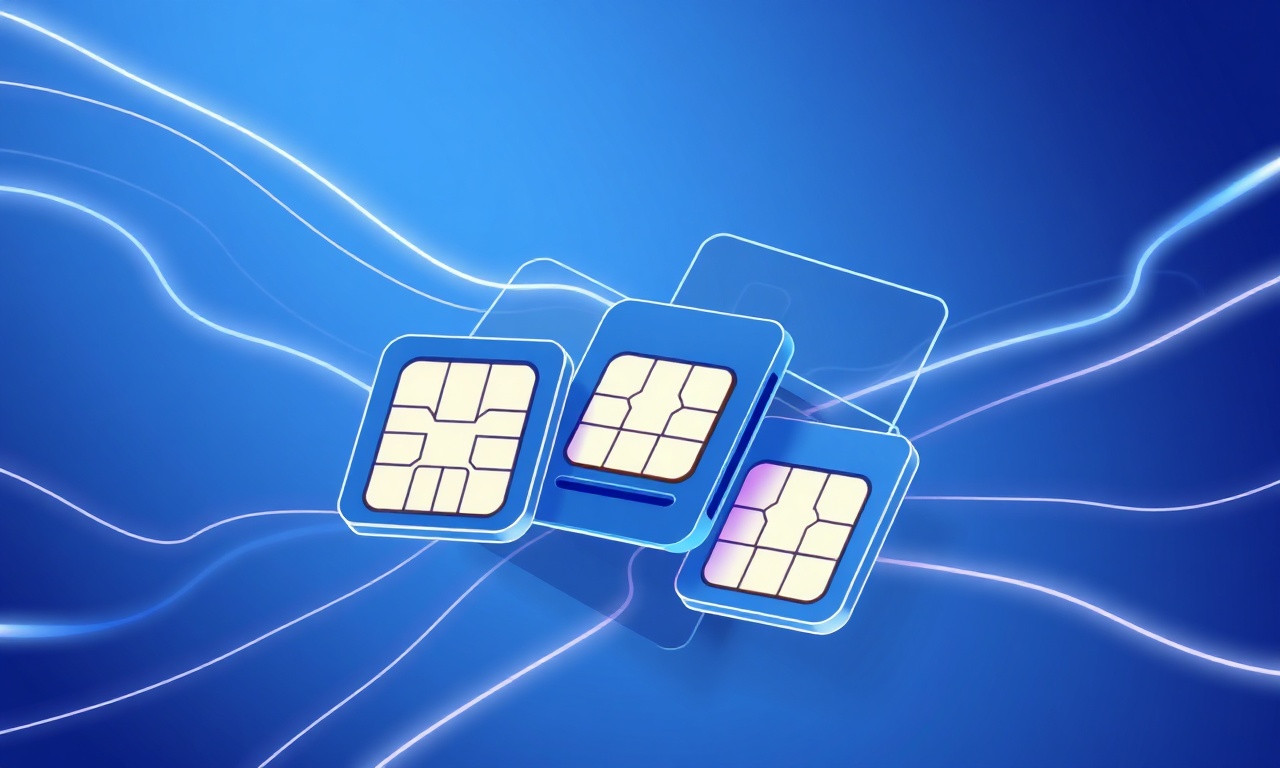
Traditional methods for bulk account creation have long relied on manual processes and physical resources, primarily involving the use of physical SIM cards and manual data entry. Though these approaches were once the standard, they now present significant challenges in terms of cost, time, and scalability, especially when compared to modern virtual number solutions.
At the most basic level, bulk account creation traditionally involves acquiring numerous physical SIM cards, each tied to a unique phone number. Users or operators must manually insert these SIM cards into devices, activate them, and then input the phone number during account registration. This process is labor-intensive and prone to human error. For businesses or individuals aiming to create thousands of accounts, the volume of manual steps quickly becomes overwhelming.
Managing hundreds or thousands of SIM cards requires physical storage, secure handling, and organized tracking to avoid mix-ups. Each SIM card must be activated with a service provider, often necessitating contracts or prepaid plans, which further complicates logistics.
On a technical level, each physical SIM card ties the account creation process to a specific mobile network and geographic location, which may limit usability or introduce unwanted restrictions. For example, accounts linked to SIM cards from certain countries may be blocked or face verification issues on some platforms. Additionally, the activation of physical SIM cards can involve delays due to carrier processing times and regulatory requirements such as identity verification.
Time is another critical factor. The manual nature of inserting SIM cards, waiting for activation, and performing registration steps one-by-one means that scaling up is slow and inefficient. Even with a team dedicated to this task, the throughput is limited by human capacity and logistical constraints.
Automating any part of the manual process is difficult without transitioning to virtual solutions. Traditional hardware-based methods inherently lack the flexibility needed for rapid scaling.
Cost implications also weigh heavily on traditional methods. Purchasing, maintaining, and replacing physical SIM cards can be expensive. Each SIM typically requires a subscription or payment plan, which accumulates quickly as the number of cards grows. Furthermore, physical devices used to house these SIM cards—such as phones or modems—add to the capital expenditure and maintenance overhead.
As the number of accounts increases, the combined cost of SIM cards, devices, and human labor often outpaces the value derived from the accounts themselves, making traditional methods unsustainable for large-scale operations.
From a practical standpoint, the risk of SIM card damage, loss, or theft also introduces security concerns. Physical SIM cards can be stolen or cloned, potentially compromising the accounts linked to them. Additionally, frequent swapping of SIM cards into devices can cause wear and tear, leading to hardware failures and downtime.
In contrast to such traditional approaches, modern virtual number services provide programmable, scalable, and cost-effective alternatives. These services allow instant access to phone numbers without physical media, simplifying the registration process and enabling automation. For example, integrating with APIs documented in our API documentation or testing with the API playground can drastically reduce time and effort.
Moreover, virtual numbers are available globally, including in regions like the United States, United Kingdom, and India, providing greater flexibility and compatibility across platforms.
In summary, while traditional bulk account creation methods using physical SIM cards and manual entry are straightforward at a small scale, they become prohibitively complex and costly as volume increases. The operational challenges—ranging from physical logistics and activation delays to high costs and security risks—make these methods less viable in today’s fast-paced digital environment. Transitioning to virtual number solutions offers a more efficient, scalable, and cost-effective path forward.
What Are Virtual Numbers and How They Enable Bulk Account Creation

Virtual numbers are telephone numbers that are not directly tied to a physical phone line or device. Instead, they exist in the cloud, routed through software-managed telephony systems. These numbers can send and receive SMS messages and calls via internet-connected servers, allowing for flexible and scalable communication without the constraints of traditional telephony infrastructure.
At a technical level, virtual numbers operate through Voice over IP (VoIP) or SMS gateways, which translate messages and calls between the public switched telephone network (PSTN) and digital platforms. This abstraction enables centralized management of large pools of numbers, automated routing, and integration with APIs. Developers and businesses can programmatically acquire, release, and control these numbers to suit their specific needs.
Virtual numbers leverage cloud telephony and API-driven SMS gateways to deliver real-time messaging and call handling without physical hardware.
One of the most impactful applications of virtual numbers is in the realm of bulk account creation and automated SMS verification. Online platforms frequently require phone number verification to confirm user identity, prevent fraud, and enhance security. However, using traditional personal phone numbers for bulk registrations is impractical and limited by carrier restrictions and cost.
Virtual numbers enable users or automated systems to generate multiple accounts by providing unique phone numbers for each verification attempt. Since these numbers are software-controlled, they can be rented or purchased in large quantities from providers specializing in virtual telephony services. Each number receives the SMS verification code and forwards it to the user or system for automated processing.
In practice, this means that a business or developer can integrate virtual number services via APIs to programmatically request numbers, receive incoming SMS messages, and extract verification codes without human intervention. This process dramatically speeds up bulk account creation, whether for testing, marketing, or operational purposes.
For example, by using virtual numbers from specific regions such as USA virtual numbers or India virtual numbers, users can simulate authentic registrations from different locales, which is essential for geo-targeted services or apps requiring regional verification.
Besides enabling bulk registrations, virtual numbers also reduce reliance on physical SIM cards or personal devices, lowering costs and administrative overhead. They provide anonymity and flexibility, as numbers can be recycled or discarded after use, avoiding long-term commitments.
When selecting virtual numbers for bulk account creation, consider providers that offer comprehensive documentation and sandbox environments like the SMSVerifier API docs and API playground to streamline integration and testing.
In summary, virtual numbers are a cornerstone technology for automated, large-scale account creation workflows. Their cloud-based nature, API accessibility, and ability to handle SMS verification efficiently make them superior to traditional phone number methods, especially in contexts demanding speed, scale, and geographic diversity.
Technical Process of Bulk Account Creation Using Virtual Numbers

Bulk account creation using virtual numbers is a sophisticated process that combines telephony technology, API integration, and automated SMS verification to streamline the setup of multiple user accounts rapidly and reliably. Unlike traditional methods that rely on physical SIM cards or manual phone number entry, virtual numbers enable scalable automation by providing programmable phone numbers accessible through software interfaces. This section outlines the technical workflow behind this approach, explaining how virtual numbers integrate with SMS verification systems and APIs to enable efficient bulk account creation.
- Step 1 — Virtual Number ProvisioningThe process begins with acquiring virtual phone numbers from a provider. These numbers can be local or international, such as US virtual numbers or UK virtual numbers, depending on the target platform's requirements. Virtual numbers are assigned and managed via an online dashboard or API, allowing instant access without physical SIM cards.
- Step 2 — API Integration for Number ManagementDevelopers integrate the virtual number service’s API into their bulk account creation system. This integration automates the retrieval, assignment, and release of phone numbers during the workflow. The API also supports real-time monitoring of incoming SMS messages, which is crucial for receiving verification codes.
- Step 3 — Initiating Account RegistrationsWith virtual numbers ready and API integration in place, the system initiates account registrations on the target platform. Each registration request uses a unique virtual number to receive the SMS-based One-Time Password (OTP) or verification code. This isolation ensures that each account is linked to a distinct phone number, preventing conflicts or bans.
- Step 4 — SMS Verification Code ReceptionOnce the platform sends an OTP to the virtual number, the SMS is received by the provider’s backend and forwarded via the API to the bulk account creation system. This real-time SMS retrieval eliminates manual code entry, allowing the system to automatically extract and input the verification code to complete the registration.
- Step 5 — Account Activation and Number RecyclingAfter successful verification, the account becomes active. The system can then release or recycle the virtual number depending on the provider’s policies and the intended use. This step maximizes resource efficiency by reusing numbers when permissible or securely retiring them to avoid detection.
Use providers with robust API documentation and features like webhook support for instant SMS delivery notifications. This reduces latency and improves the speed of bulk account creation. Explore the API documentation and API playground to test integrations before scaling.
From a technical standpoint, the key enabler is the seamless communication between the virtual number platform and the bulk account creation software via APIs. This integration allows for full automation of the phone verification step, which is often the bottleneck in mass registrations. By automating SMS reception and verification code extraction, businesses can create hundreds or thousands of accounts in a fraction of the time required by manual methods.
Ensure compliance with the terms of service of target platforms and local regulations regarding virtual number usage. Misuse can lead to account suspensions or legal issues.
Another practical advantage is geographic flexibility. Virtual numbers are available in many countries, including India, Germany, and Russia, enabling localized account creation that may be necessary for region-specific services. For example, using an India virtual number can help bypass regional restrictions or trigger localized content.
In summary, the technical process of bulk account creation using virtual numbers involves provisioning programmable phone numbers, integrating APIs for automated number and SMS management, triggering registrations, capturing verification codes, and efficiently recycling resources. This approach not only accelerates the registration workflow but also enhances reliability and scalability compared to traditional phone number methods.
Cost Comparison Between Virtual Numbers and Traditional Bulk Account Creation Methods

When comparing the costs involved in bulk account creation, the choice between virtual numbers and traditional methods can significantly influence your budget and operational efficiency. Each approach carries distinct financial implications across setup, maintenance, and scalability that are essential to understand for informed decision-making.
Initial Setup Costs
Traditional bulk account creation methods often require acquiring multiple physical SIM cards or phone lines, which involves substantial upfront investment. This includes hardware purchases, SIM card activation fees, and sometimes even dedicated mobile devices for each number. Additionally, the process of manual phone number acquisition can be time-consuming and costly in terms of labor.
Conversely, virtual numbers drastically reduce initial setup expenses. Virtual number providers offer phone numbers that can be provisioned instantly through an online platform or API, eliminating the need for physical hardware. The setup process typically involves minimal fees, often bundled within monthly subscriptions or pay-as-you-go models, making it more accessible for businesses of varying scales.
Ongoing Maintenance and Operational Costs
Maintaining traditional bulk accounts often entails recurring costs beyond the initial setup. Physical SIM cards require regular monitoring, replacements, and sometimes manual intervention to ensure connectivity and prevent service interruptions. Additionally, managing multiple devices and phone lines can increase labor costs and complicate logistics, especially when scaling.
Virtual numbers, on the other hand, benefit from streamlined maintenance. Since they are software-defined, updates and management are handled by the service provider, significantly reducing operational overhead. Providers typically offer dashboards and APIs, such as those detailed in the API documentation and API playground, enabling automated workflows that minimize manual effort and reduce human error.
Scalability and Cost Efficiency
Scaling traditional methods typically incurs linear or higher costs as you add more phone numbers and devices. Physical limitations, such as SIM card availability, device management, and network constraints, can lead to increased complexity and expenses. Moreover, bulk purchasing discounts are often limited, making large-scale expansion costly and inefficient.
Virtual numbers excel in scalability, enabling rapid expansion without proportional increases in cost or complexity. Cloud-based infrastructures allow you to provision thousands of numbers instantly, often with volume-based pricing models that reduce per-number costs as usage grows. This elasticity ensures businesses can adapt to demand fluctuations without heavy capital expenditure.
Instant Provisioning
Virtual numbers can be deployed immediately via API, eliminating delays and reducing time-to-market.
Lower Total Cost of Ownership
Reduced hardware and labor needs translate into significant savings over time.
Global Reach
Access numbers across multiple countries without the complications of physical SIM logistics.
Additional Cost Considerations
Traditional methods might also incur hidden costs such as SIM card loss or theft, device repairs, and compliance with local telecom regulations, which can vary widely and add unpredictability to budgets.
Virtual number services often include compliance management and security features as part of their packages, reducing the risk of penalties and operational disruptions. Pricing transparency is typically better, with clear monthly or usage-based fees detailed upfront, as seen in the pricing section of most providers.
Beware of providers with unclear pricing or hidden fees, which can inflate costs unexpectedly. Always review service agreements carefully.
Summary
Overall, virtual numbers offer a significantly more cost-effective solution for bulk account creation compared to traditional methods. Lower setup costs, reduced maintenance overhead, and superior scalability make them an ideal choice for businesses aiming to optimize expenditures while maintaining flexibility. For those interested in exploring these benefits firsthand, registering for a service is straightforward and can be initiated via the registration page or managed efficiently through a dedicated app.
Security and Privacy Considerations in Bulk Account Creation with Virtual Numbers vs Traditional Methods

When creating multiple accounts in bulk, security and privacy considerations become paramount. Both virtual numbers and traditional phone numbers present unique challenges and risks that must be carefully managed to prevent fraud, protect personal data, and ensure compliance with legal regulations.
Traditional Methods: Bulk account creation using traditional phone numbers often involves using physical SIM cards or personal phone numbers. While this approach may appear straightforward, it carries inherent risks such as SIM swapping, number recycling, and exposure of private phone numbers. These vulnerabilities can enable attackers to intercept verification codes or hijack accounts, leading to identity theft or unauthorized access.
Moreover, traditional numbers are often tied directly to individuals, increasing the risk of unintentional data breaches. Companies must comply with data protection laws such as GDPR or CCPA, which place strict requirements on how personally identifiable information (PII) is collected, stored, and processed. Failure to comply can result in significant fines and damage to brand reputation.
Virtual Numbers: Utilizing virtual numbers for bulk account creation offers a layer of abstraction that helps mitigate some risks associated with traditional methods. Virtual numbers are not physically tied to SIM cards or personal devices, reducing the chance of SIM swap fraud. They can be provisioned rapidly and discarded after use, limiting exposure of sensitive data.
However, virtual numbers also bring their own set of challenges. Some service providers or platforms may flag virtual numbers as suspicious or block them outright, complicating verification processes. Additionally, if the virtual number provider does not implement robust security protocols, there is a risk of interception or unauthorized reuse of numbers, which can compromise account security.
Data privacy remains a critical concern regardless of the method. Ensuring encrypted transmission and storage of verification codes and user data is essential to prevent leakage or unauthorized access.
To address these challenges, organizations should adopt a multi-layered security approach:
- Use trusted virtual number providers: Partner with reputable services that enforce strict security standards, provide transparent number lifecycle management, and comply with international privacy regulations.
- Implement multi-factor authentication (MFA): Combining SMS verification with additional factors such as email confirmation or authenticator apps adds resilience against fraud.
- Monitor account activity: Employ behavioral analytics and anomaly detection to identify suspicious bulk account creation patterns or unusual login attempts.
- Ensure compliance: Regularly review privacy policies and data handling practices to align with local and global regulations. Documentation and audit trails are vital for accountability.
From a practical standpoint, integrating virtual numbers for verification can be streamlined via APIs and services designed for bulk usage. For example, SMSVerifier offers comprehensive API documentation and an API playground to facilitate secure and compliant number verification workflows.
When selecting virtual numbers, consider geographic options such as US virtual numbers or UK virtual numbers to optimize deliverability and reduce the chance of being blocked by regional platforms.
In conclusion, while both traditional and virtual number methods for bulk account creation have security and privacy implications, choosing virtual numbers with robust safeguards and compliance measures often provides a safer and more scalable solution. Prioritizing data protection and fraud prevention strategies will help organizations maintain trust and operational integrity in their account creation processes.
Scalability and Efficiency Benefits of Using Virtual Numbers for Bulk Account Creation

In the realm of bulk account creation, the ability to scale operations rapidly while maintaining efficiency is paramount. Traditional methods relying on physical SIM cards or manual phone number management often hit bottlenecks due to hardware limitations, labor-intensive processes, and slower verification times. Virtual numbers revolutionize this landscape by enabling a streamlined, automated approach that significantly accelerates bulk account creation workflows.
At a basic level, virtual numbers are phone numbers hosted in the cloud and managed through software interfaces rather than physical devices. This distinction alone eliminates many logistical challenges associated with traditional SIM cards, such as the need for physical storage, manual swapping, or geographic constraints. By leveraging virtual numbers, businesses can instantly provision thousands of unique numbers across multiple countries and regions, allowing for vast volume handling without incremental hardware investment.
Rapid Number Provisioning
Virtual numbers can be generated and assigned programmatically within seconds, enabling immediate scaling of verification capabilities. Unlike SIM cards that require manual activation and physical insertion, virtual numbers are ready-to-use upon allocation.
Automation Integration
Through APIs and integration tools, virtual numbers seamlessly connect with automation scripts and bulk account creation platforms. This reduces human intervention, minimizes errors, and accelerates workflows.
Global Reach with Local Presence
Virtual numbers are available in multiple countries such as the United States, United Kingdom, Germany, and India, enabling localized verification that bolsters trust and bypasses geo-restrictions.
From a technical perspective, virtual numbers operate on cloud telephony infrastructure that supports concurrent sessions and parallel processing. This architecture allows for high-throughput SMS and call reception essential for verification codes during account creation. Unlike physical SIM setups that are limited by hardware concurrency, virtual numbers scale elastically with demand, accommodating spikes without degradation in performance.
Moreover, the automation capabilities provided by virtual numbers extend beyond mere number provisioning. Advanced platforms offer webhook callbacks, real-time SMS retrieval, and detailed analytics, which empower developers to build robust verification systems. For example, integrating a virtual number service with your bulk account creation software enables instant code fetching and validation, reducing turnaround times from minutes to seconds.
Explore API-driven virtual number services like those documented in the API documentation and tested in the API playground to maximize automation and scalability in your workflows.
Practically, companies handling thousands or even millions of accounts benefit enormously from these scalability and efficiency gains. By eliminating manual steps and hardware dependencies, virtual numbers reduce operational costs and human error. They also enable parallel account creation campaigns across multiple platforms such as WhatsApp, Telegram, and Google services, where phone verification is mandatory.
For instance, when creating bulk accounts on messaging platforms, the use of virtual numbers from dedicated services like WhatsApp SMS OTP verification or Telegram SMS OTP verification streamlines the process by automating OTP reception and submission. This level of integration is difficult to achieve with traditional SIM-based methods.
Switching to virtual numbers can reduce the average verification time per account by over 50%, while simultaneously increasing the volume of accounts created per hour.
In summary, virtual numbers offer unmatched scalability and efficiency for bulk account creation by combining rapid provisioning, automation-friendly APIs, and global accessibility. Transitioning from traditional manual or physical SIM-based methods to virtual number solutions empowers businesses to handle larger volumes with faster turnaround, lower costs, and improved reliability.
Common Challenges and Troubleshooting in Bulk Account Creation Using Virtual Numbers
Bulk account creation using virtual numbers offers significant advantages over traditional methods, but it also comes with its own set of challenges. Understanding these common issues and knowing how to troubleshoot them effectively is crucial for maintaining smooth operations and ensuring high success rates in verification processes. Below, we explore the typical obstacles encountered and provide practical solutions and best practices.
1. Number Blacklisting and Its Impact
One of the most frequent challenges is virtual number blacklisting. Many online platforms have security mechanisms that detect and block numbers frequently used for bulk registrations or suspicious activities. This can lead to verification failures or account bans, undermining the bulk creation effort.
Using the same virtual number repeatedly across multiple accounts increases the risk of blacklisting, causing your accounts to be flagged or restricted.
How to troubleshoot: Rotate virtual numbers regularly by leveraging a pool of diverse numbers from different regions, such as USA virtual numbers or UK virtual numbers. This reduces detection likelihood and improves deliverability. Additionally, monitor blacklisting status through your SMS provider's dashboard or API to retire compromised numbers promptly.
2. SMS Delivery Failures and Delays
SMS delivery issues can stem from network congestion, carrier filtering, or incorrect number formats. Delays or failures in receiving OTPs (One-Time Passwords) can disrupt the account creation flow and cause timeout errors.
Delivery rates vary by country and carrier; virtual numbers from countries with robust telecom infrastructure typically experience fewer delays.
Best practices: Ensure numbers are correctly formatted according to international standards (E.164 format). Use virtual numbers from reliable providers with strong carrier relationships and consider fallback mechanisms such as retrying SMS sends or switching to alternative verification channels like WhatsApp or Telegram. Refer to services like our WhatsApp SMS OTP verification service and Telegram SMS OTP verification service to diversify verification methods.
3. API Errors and Integration Challenges
Integrating bulk virtual number services with your account creation system involves API interactions that can occasionally fail due to rate limits, malformed requests, or authentication problems. These errors can halt the automation process and require quick resolution.
Implement robust error handling in your API calls, including automatic retries with exponential backoff and detailed logging for diagnostics.
Review the API documentation thoroughly—our API docs provide comprehensive guidance on endpoints, parameters, and best practices. Use tools like the API playground to test calls before deployment. Also, monitor your API usage against rate limits to avoid throttling.
4. Managing Number Availability and Expiry
Virtual numbers often come with usage windows or expiration dates. If a number expires before verification completes, accounts may fail to activate.
Maintain an updated inventory of active numbers and automate alerts for impending expirations. Some providers offer APIs to check number status in real-time, facilitating prompt replacements and minimizing downtime.
5. Compliance and Platform Restrictions
Different platforms have varying policies regarding virtual number use, and non-compliance can lead to account suspension. Additionally, some services restrict registrations from certain countries or number types.
Practical advice: Familiarize yourself with the target platform’s policies and choose virtual numbers accordingly. For example, if creating accounts on Google services, consult our Google SMS OTP verification service to use compatible numbers and reduce rejection rates.
Quick Solutions Summary
- Rotate numbers frequently to avoid blacklisting.
- Validate and format numbers correctly.
- Implement retry mechanisms for SMS delivery.
- Use multi-channel verification options.
- Monitor API health and handle errors gracefully.
- Track number expiry and replace proactively.
- Align number choices with platform policies.
By anticipating these common challenges and applying the troubleshooting strategies outlined, you can optimize your bulk account creation workflows to be more reliable, efficient, and scalable. For those seeking to get started or expand their virtual number usage, consider registering with our platform via the registration page and exploring pricing options tailored to your volume and regional preferences on our pricing page.
Best Practices for Optimizing Bulk Account Creation with Virtual Numbers

When it comes to bulk account creation, leveraging virtual numbers offers significant advantages over traditional phone verification methods. However, to truly optimize your processes and ensure high success rates, it’s essential to follow best practices tailored to the unique dynamics of virtual number usage. From selecting the right provider to managing your number pools effectively, this section outlines actionable strategies to streamline your bulk account creation efforts while maintaining compliance and maximizing efficiency.
Start with a provider that offers a wide range of virtual numbers across multiple regions, robust API support, and reliable delivery of SMS or voice OTPs. Providers with transparent pricing and strong uptime guarantees will reduce friction in your account creation workflows. Consider exploring options on our services page to compare features tailored for bulk verification.
When selecting a provider, prioritize those that supply numbers from diverse countries such as the USA, UK, and India. This geographic diversity can help you circumvent regional restrictions and improve verification success rates by matching numbers to target user locales.
Use providers that offer dynamic number rotation and pool management features. Automatically cycling through a pool of virtual numbers reduces the risk of bans or blacklisting, especially on platforms with strict anti-fraud systems.
Effective number pool management is a cornerstone of optimizing bulk account creation. Instead of reusing the same virtual number repeatedly—which can trigger platform defenses—rotate numbers intelligently. Maintain logs of number usage, success rates, and expiration dates to retire underperforming or flagged numbers promptly.
Compliance is another critical factor. Many platforms and telecom regulations impose strict guidelines on the use of virtual numbers for verification. Ensure your operations align with local laws, data privacy standards, and platform terms of service to avoid account suspensions or legal issues.
Using virtual numbers irresponsibly or ignoring compliance can lead to permanent bans on your accounts or legal penalties. Always verify that your chosen provider supports compliant number sourcing and respects user privacy.
To further enhance verification success, integrate your virtual numbers with reliable OTP delivery and retrieval services. Using APIs with real-time SMS fetching capabilities reduces delays and errors during the verification process. Our API documentation and API playground provide comprehensive guides on implementing these integrations efficiently.
Finally, continuously monitor your bulk account creation metrics. Track which numbers yield the highest verification rates, which regions experience issues, and adjust your strategies accordingly. Leveraging analytics tools and feedback loops will help you refine your approach and maintain a competitive edge.
For enhanced verification workflows, consider integrating with specialized services such as WhatsApp OTP verification or Telegram OTP verification, which can complement traditional SMS-based methods.
Legal and Compliance Implications of Using Virtual Numbers for Bulk Account Creation
Using virtual numbers for bulk account creation offers convenience and scalability, but it also introduces a complex web of legal and compliance considerations that must be carefully navigated. Whether you are managing marketing campaigns, running social media bots, or developing multi-account management systems, understanding the regulatory landscape is essential to avoid potential risks and penalties.
At a basic level, many platforms explicitly prohibit the use of virtual or disposable numbers to create multiple accounts. This is often stated in their terms of service or user agreements. Violating these terms can lead to account suspension, legal action, or permanent bans. For example, popular services like WhatsApp, Telegram, and Google enforce strict verification policies to curb spam and fraudulent activity, which you can learn more about in our WhatsApp SMS OTP verification and Google SMS OTP verification resources.
Using virtual numbers to circumvent platform restrictions may be considered deceptive and could violate anti-fraud and anti-spam laws such as the CAN-SPAM Act, GDPR, and the Telephone Consumer Protection Act (TCPA) depending on your jurisdiction.
From a technical standpoint, regulatory frameworks vary by country but generally require transparency and user consent when processing personal data. Virtual numbers often involve third-party providers who may host phone number data across multiple jurisdictions, raising concerns about data sovereignty and privacy compliance. For instance, providers offering USA virtual numbers or UK virtual numbers must ensure compliance with local telecommunications regulations and data protection laws.
Ensure your virtual number provider complies with relevant telecom licensing and data protection regulations to reduce your legal exposure when creating bulk accounts.
Ethically, bulk account creation using virtual numbers can be a double-edged sword. While legitimate businesses may use this method to streamline onboarding or manage multiple brand identities, it is frequently exploited for spam, fake reviews, or fraudulent activities. This misuse not only risks legal repercussions but also damages brand reputation and trustworthiness. Ethical use demands transparency, respect for platform policies, and strict adherence to anti-spam guidelines.
Practically speaking, companies should implement robust verification and monitoring mechanisms to ensure that bulk accounts created with virtual numbers serve legitimate purposes. Integrating phone number verification APIs, such as those detailed in our API documentation, can help automate compliance checks and reduce the risk of fraudulent account creation.
Before purchasing virtual numbers for bulk account creation, review the terms of service of your target platforms and consult legal counsel to align your operations with applicable laws and ethical standards.
In conclusion, while virtual numbers provide a powerful tool for scaling account creation, ignoring the associated legal and compliance implications can lead to significant challenges. Staying informed about regional laws, choosing reputable number providers, and respecting platform policies are critical steps in leveraging virtual numbers responsibly and sustainably.
Future Trends in Bulk Account Creation and Virtual Number Technology

The landscape of bulk account creation is rapidly evolving, driven by advances in virtual number technology, artificial intelligence (AI), and increasingly sophisticated verification protocols. As businesses and developers seek faster, more reliable methods to create large volumes of accounts for testing, marketing, or operational purposes, understanding these future trends becomes essential for staying ahead.
At a fundamental level, virtual numbers have already transformed how bulk account creation circumvents traditional phone number limitations. They enable instant access to thousands of phone numbers worldwide without physical SIM cards, supporting diverse platforms such as WhatsApp, Telegram, and Google services. However, the future promises even more seamless integration and smarter verification processes.
Artificial intelligence is being integrated into verification workflows to enhance fraud detection, reduce false positives, and expedite approval times. Machine learning models analyze patterns in real-time to verify the authenticity of accounts created via virtual numbers, adapting dynamically to new threats.
From a technical perspective, AI algorithms will increasingly complement traditional SMS OTP (One-Time Password) systems by cross-referencing behavioral data and network signals, creating a multi-layered verification approach. This hybrid verification system will be more resilient against bot attacks and number recycling abuse, which are common challenges in bulk account creation.
Leverage API-driven virtual number services that offer built-in AI verification features to streamline bulk account creation. Check out the API documentation and interactive playground for hands-on experimentation.
Practical applications of this technology include enhanced user onboarding experiences where accounts are instantly verified without compromising security. Additionally, emerging protocols will support multi-channel verification, combining SMS OTP with app-based push notifications or biometric checks, thereby reducing reliance on SMS alone. This diversification is critical as some platforms begin to restrict or limit SMS-based verifications to combat spam and abuse.
Furthermore, the integration of virtual numbers with blockchain technology is an exciting frontier. Decentralized identity verification systems could harness virtual numbers as identifiers, offering users greater control over their data while enabling bulk account creators to verify identities without exposing sensitive information.
Global Reach Expansion
Virtual number providers will expand coverage in emerging markets, including enhanced offerings for India, Russia, and Germany, facilitating localized bulk account creation with compliance to regional regulations.
Stronger Security Protocols
Advancements in encryption and ephemeral number assignments will minimize risks associated with number reuse and interception, ensuring bulk-created accounts remain secure throughout their lifecycle.
Automation and Integration
Enhanced APIs will support seamless integration with popular platforms and CRM systems, automating the entire bulk account creation pipeline from number procurement to verification and activation.
Regulatory compliance will also shape the future of virtual number technology. As governments worldwide tighten data privacy laws and telecom regulations, virtual number services must adapt to ensure lawful bulk account creation. Providers offering transparent compliance tools will be preferred partners for enterprises seeking scalable and legal solutions.
In summary, the future of bulk account creation intertwined with virtual number technology is bright and dynamic. Embracing AI-enhanced verification, expanding global virtual number pools, and adopting multi-channel authentication protocols will empower businesses to create and manage accounts efficiently while mitigating risks and maintaining compliance.
For those interested in exploring current offerings that align with these trends, SMSVerifier provides robust virtual number services optimized for bulk account creation, including specialized number ranges like USA virtual numbers and UK virtual numbers. Visit our services page to learn more or register to start leveraging cutting-edge bulk account creation solutions today.
Frequently asked questions
What is a virtual number and how does it differ from a traditional phone number?
Why are virtual numbers preferred for bulk account creation?
Are there any risks associated with using virtual numbers for bulk account creation?
How does SMS verification work with virtual numbers?
Can virtual numbers be used globally for bulk account creation?
What are the main cost differences between virtual numbers and traditional methods?
How do I avoid getting virtual numbers blacklisted during bulk account creation?
Is bulk account creation with virtual numbers legal?
What technical skills are needed to implement bulk account creation with virtual numbers?
How can I troubleshoot SMS delivery failures when using virtual numbers?
Are virtual numbers suitable for long-term account management?
Get started with SMSVerifier
Buy your first virtual phone number in under 60 seconds — pay as you go from $0.20 per SMS.
Create free account